
 >
>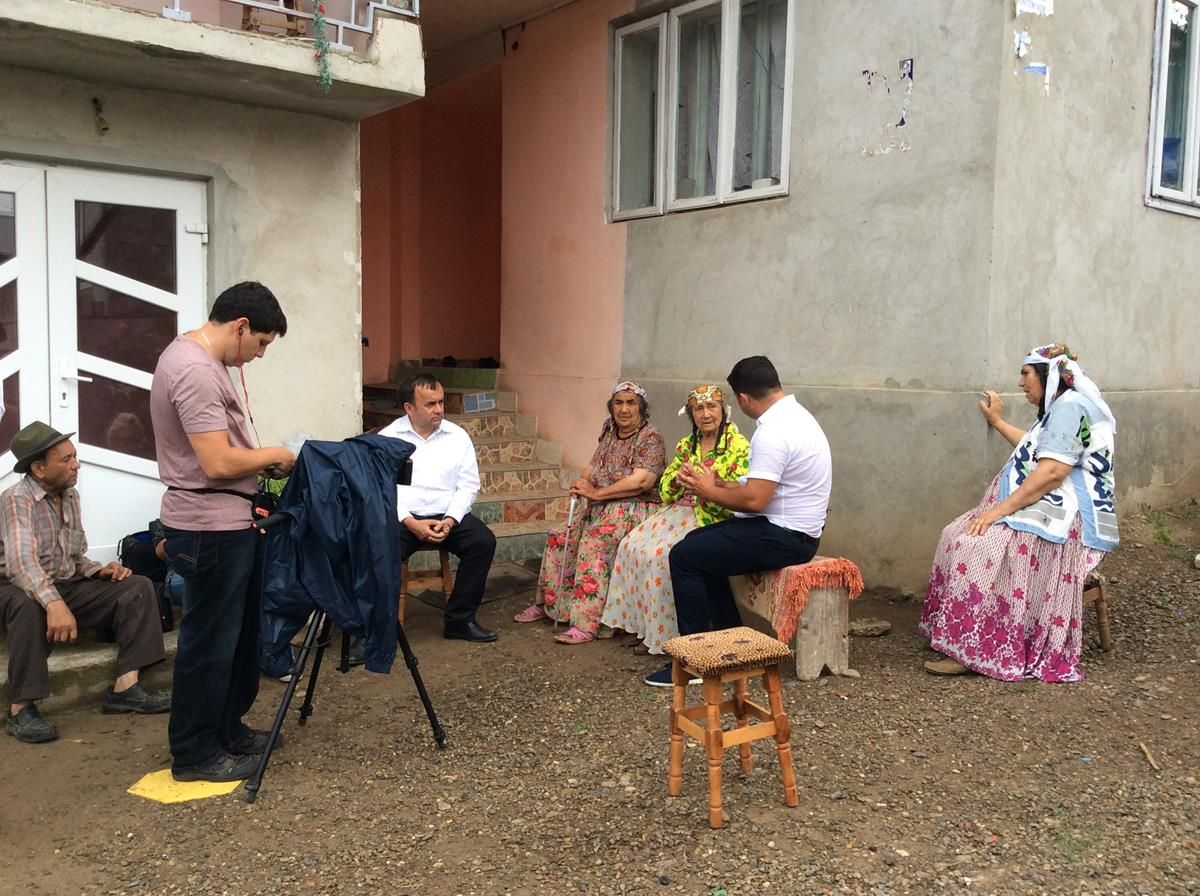
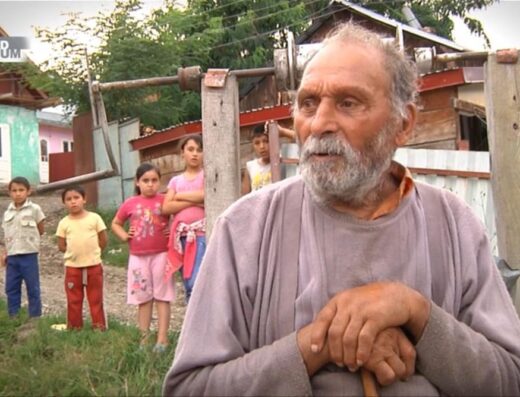
Name of the town: Văratec (village, commune of Salcea)
Region, country: Suceava County, Moldova region (Romania)
Date of deportation: 1943
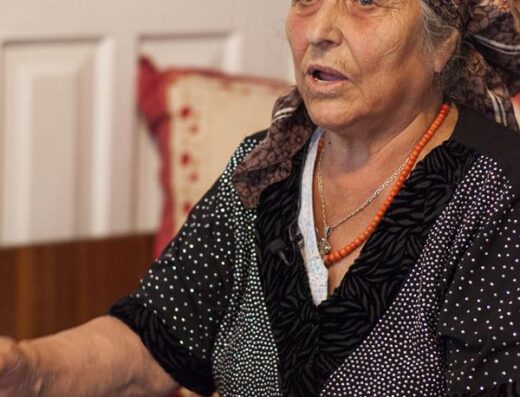
Excerpt from testimony:
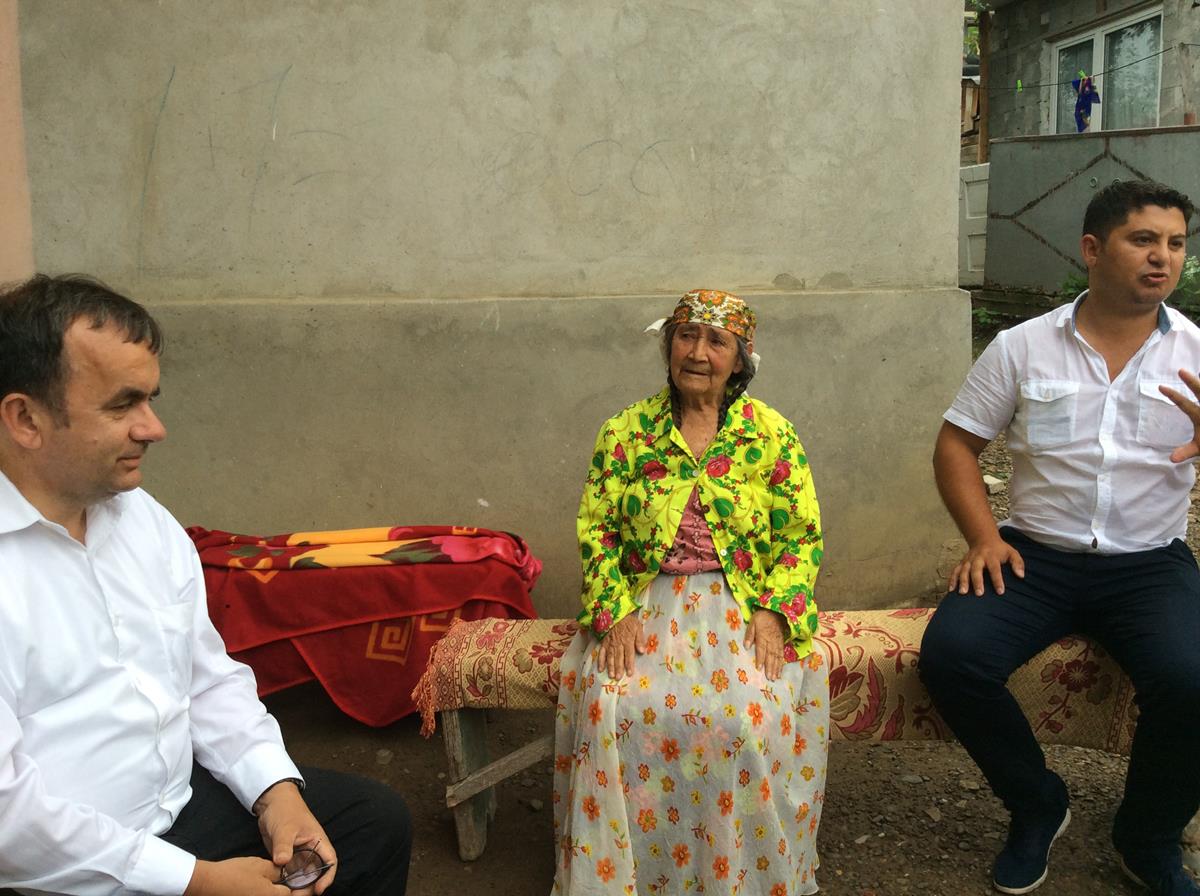
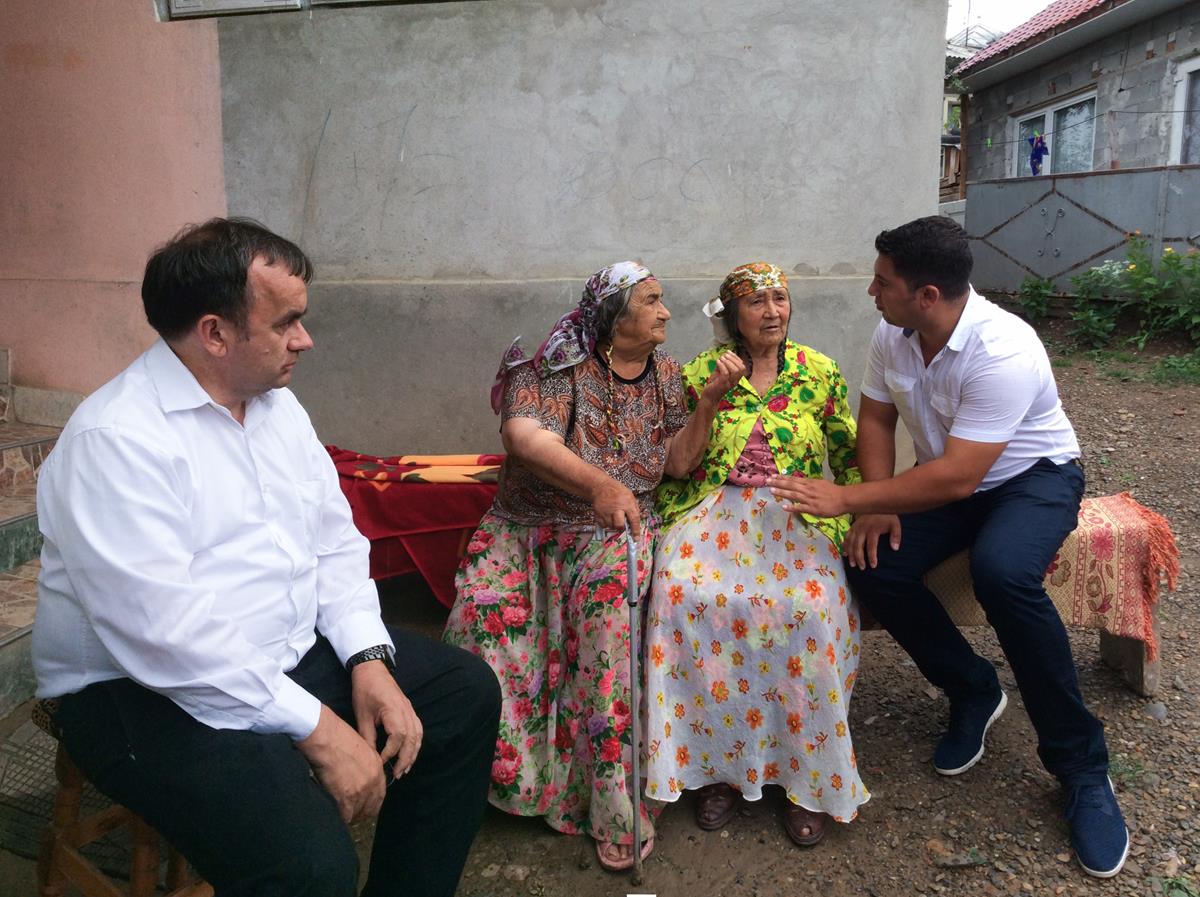
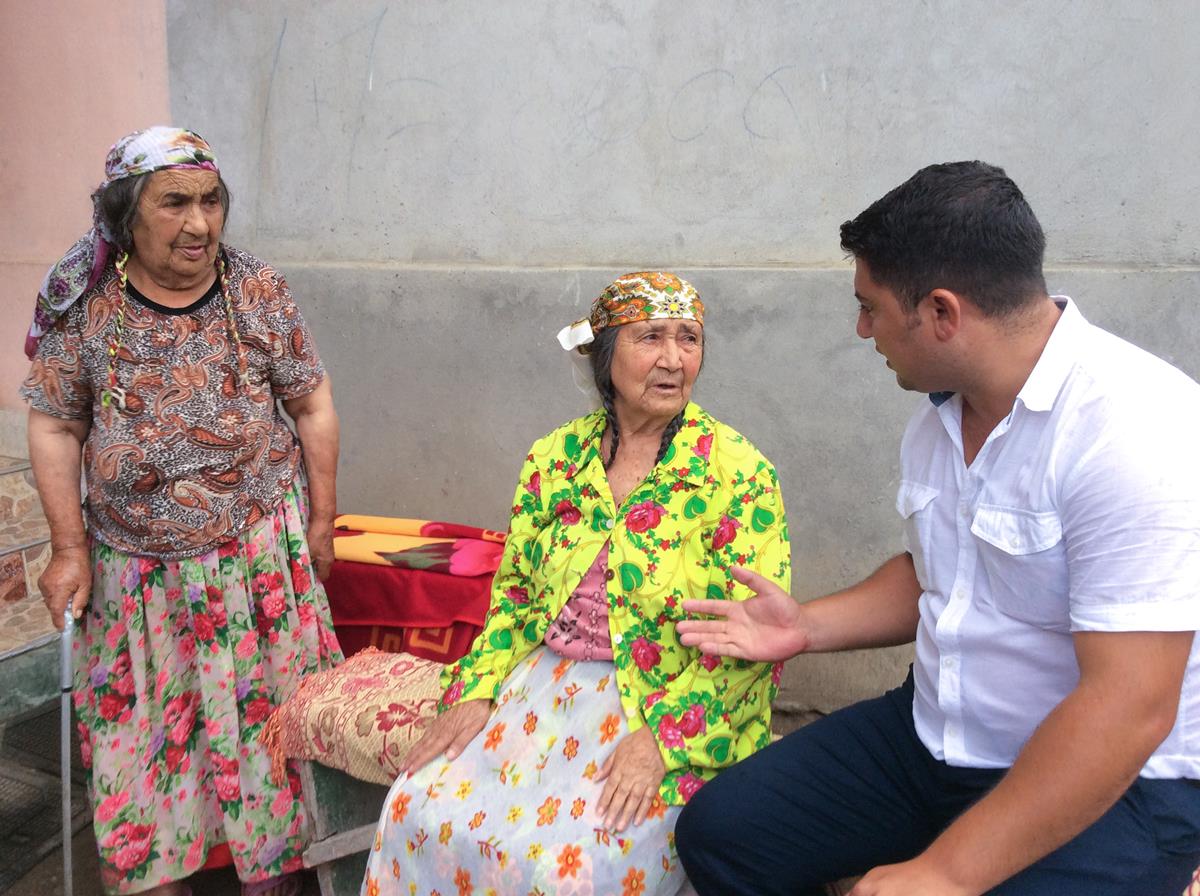
“During the winter, the interviewee and her family lived in tents pitched in a deserted field, quite far from the Russian village [in Transnistria]. They were [guarded] by Romanian gendarmes, who watched over the tents and the dugouts [where the deportees lived]. […] They drew water from wells. The interviewee’s parents went to the [neighboring] village to barter with the Russians. They received no food rations at all; they lived off barter.”
Romanian archives (if they exist):
Unfortunately, no archival documents related to the Roma deported from Văratec have been identified.
Historical note on the Roma:
The village of Văratec is part of the commune of Salcea and is located in Suceava County, approximately 10 km from the city of Suceava. In 1910, the village of Văratec comprised 145 households and 654 inhabitants; in that year, 60 heads of family had 15,210 lei in savings deposited at the local savings bank. Subsequent censuses record modest demographic growth: in 1912 – 160 households and 687 inhabitants (332 men, 355 women); in 1930 – 196 households and 871 inhabitants (420 men, 451 women; 869 Romanians, one German, and one Russian); in 1956 – 329 households and 1,047 inhabitants (518 men, 529 women); in 1966 – 371 families and 1,274 inhabitants (627 men, 647 women); and in 1971 – 1,372 inhabitants. In 2004, Văratec had 1,447 inhabitants and 468 houses. However, none of these records contains clear references to the Roma. Today, several families of căldărari Roma (Roma specialized in metalworking) live in the village of Văratec, possibly settled here during the communist period.
Historical note on the deportation:
It appears that the interviewee and her family were not deported during the first wave (June – August 1942) but later (possibly in 1943), since they spent only six months in Transnistria. The family was arrested by gendarmes and forced to join a convoy of some 30 carts. Under gendarme escort, the nomadic Roma families were led from post to post to the Transnistrian border.
Once in Transnistria, the Roma deportees set up camp in a field near a village (whose name the interviewee no longer remembers). The camp was guarded by Romanian gendarmes. The deportees fetched their own water from a nearby well but received no food rations and were therefore forced to barter with the local Ukrainians. The lack of food and the epidemics claimed many victims among the deportees (the interviewee lost both parents and seven siblings in Transnistria).
The repatriation probably took place in the spring–summer of 1944. The few Roma survivors made the long journey home either on foot or in the carts they managed to recover from the kolkhoz.
Brief note on a Roma subgroup:
The interviewee belongs to a family of căldărari Roma (Roma specialized in metalworking).
Categories
Features
Regions
Video
Location
Related Testimonies
Added By Catalin Biban

Please sign in to see contact details.
 Română
  English