

 >
>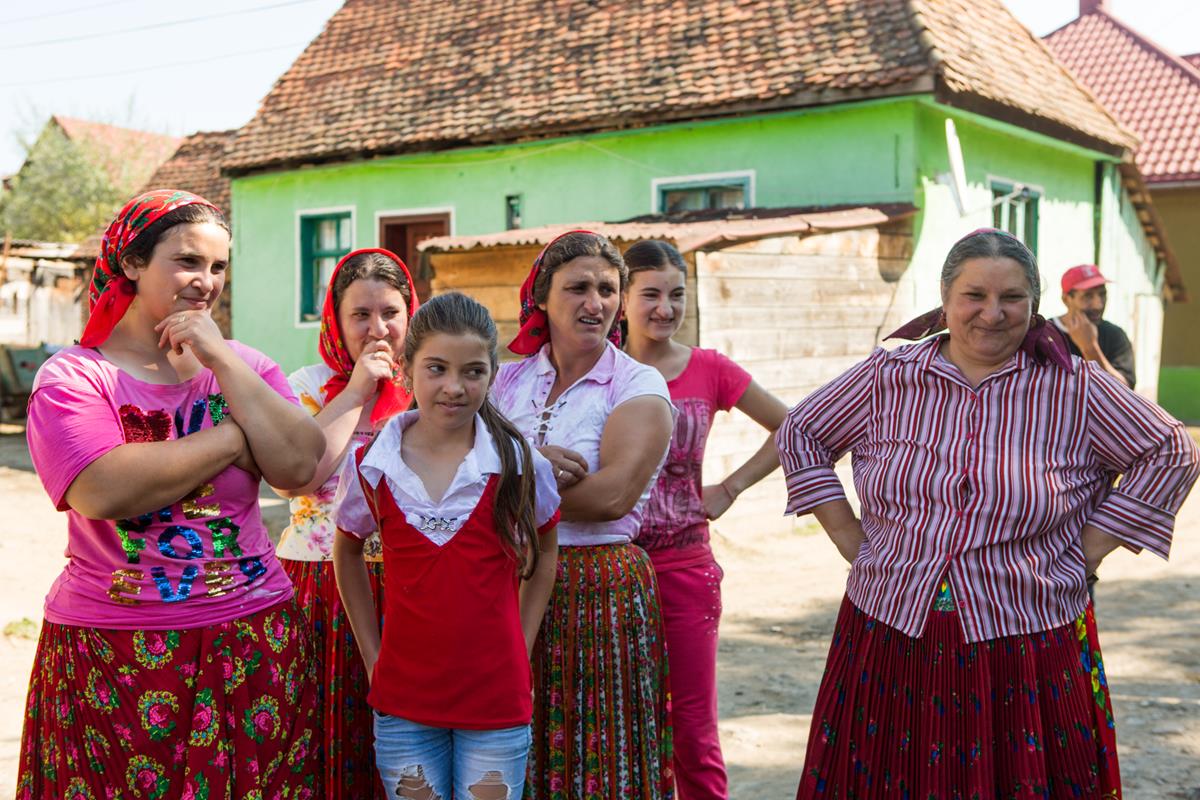
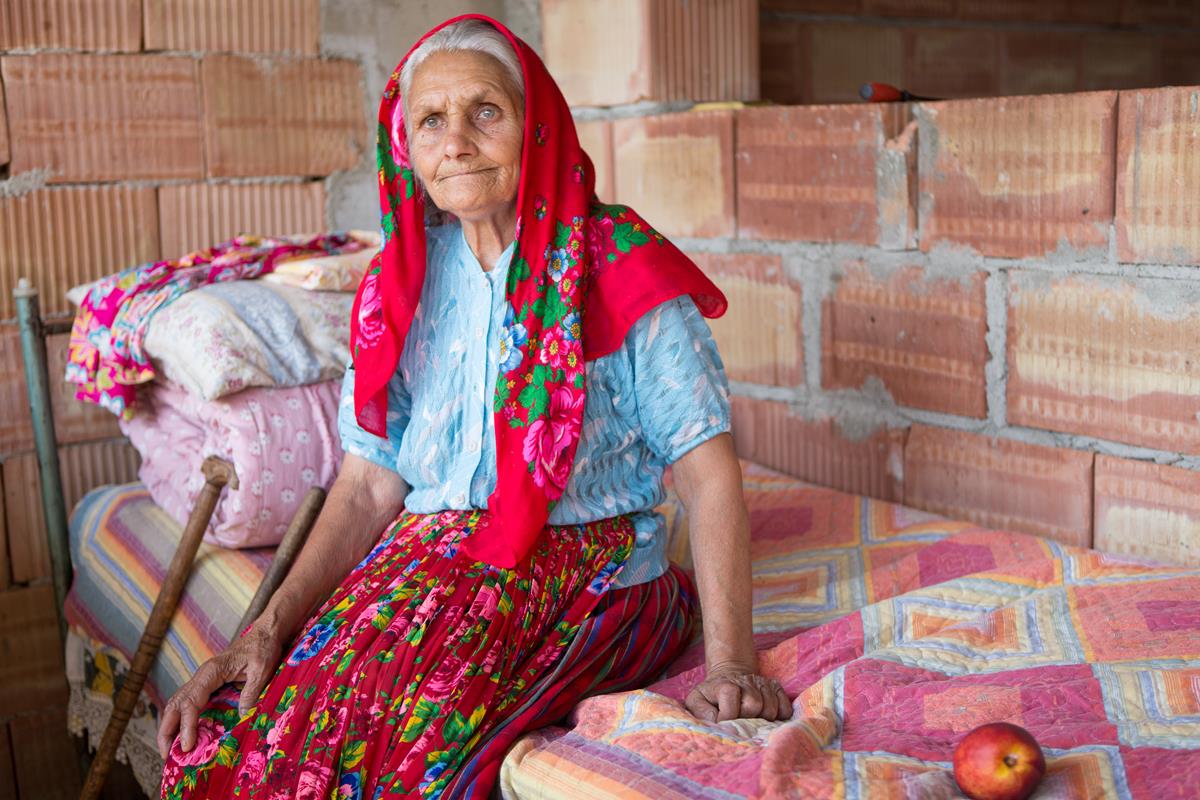
Name of the town: Sâmbăta de Jos (village, commune of Voila)
Region, country: Brașov County, Transylvania region (Romania)
Date of deportation: June – August 1942
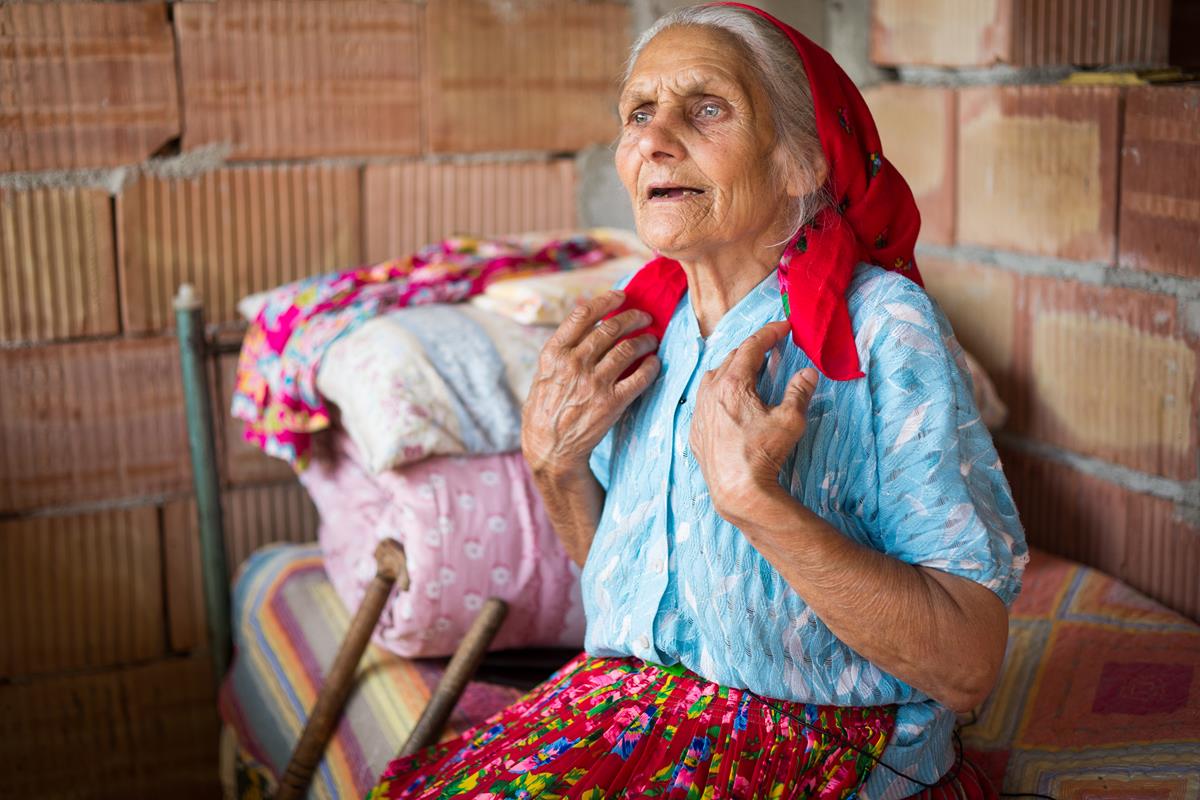
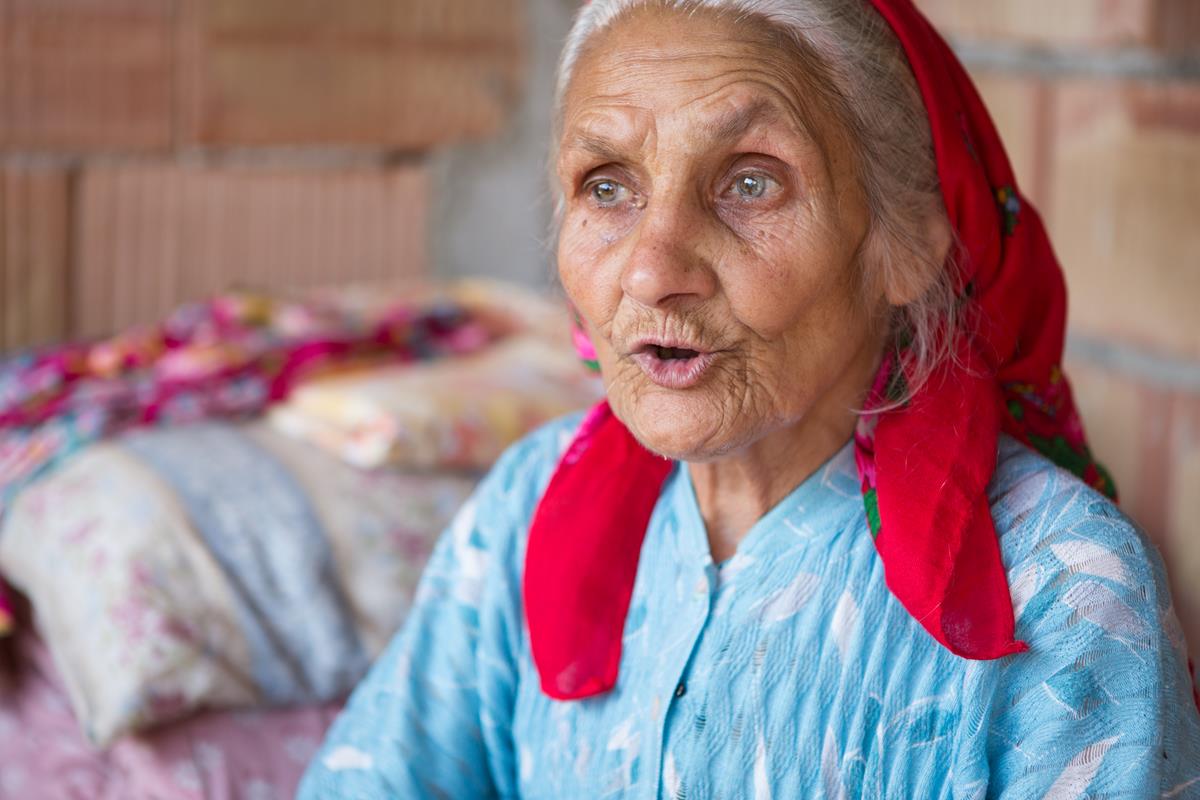
Excerpt from testimony:
“After they arrived [in Transnistria], the Roma were relocated to a deserted, unfenced field, but they were watched by armed Russian guards. Their carts and all their things were requisitioned by the Russian brigadiers. [The interviewee] saw a woman being shot by a guard. Her body was left lying in the field [for the same reason]. The Roma deportees were only allowed to go into the fields when they were working. […]”
Romanian archives (if they exist):
Unfortunately, no archival documents related to the Roma deported from Sâmbăta de Jos have been identified.
Historical note on the Roma:
Sâmbăta de Jos (in Hungarian, Alsószombatfalva) is a village in the commune of Voila, located in the valley of the Olt River, in Brașov County. The village dates from the Middle Ages and was inhabited predominantly by Romanians (Diaconovich 1904, III: 875). The 1850 census of Transylvania recorded 434 inhabitants in the village, of whom 417 were Romanians, 5 Hungarians, and 7 Roma (SCT 1996, 96-97). The 1930 census identified 32 sedentary Roma in the commune of Sâmbăta de Jos, out of a total of 752 inhabitants (RGP 1930, II.1: 192-193). Alongside them, a few families of căldărari Roma settled in the commune, who made copper cauldrons and horsehair brushes; they traveled seasonally through the nearby villages to sell their products.
Historical note on the deportation:
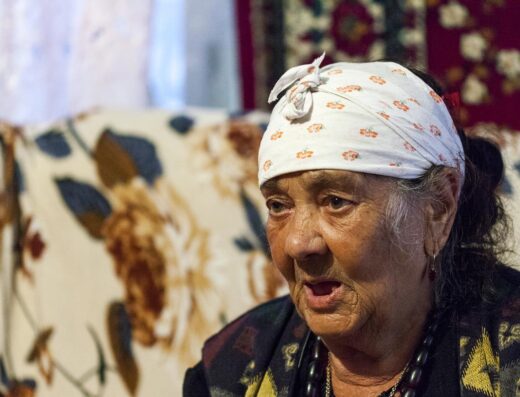
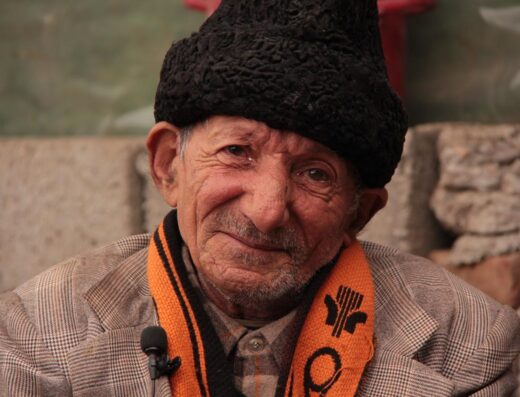
The family of Elisabeta Notar was arrested by the local policemen in the summer of 1942 and held for three to four days in the courtyard of a police station (unspecified). All the nomadic Roma from Sâmbăta de Jos and the neighboring villages were arrested and deported to Transnistria in their own carts. The gendarmes escorting them formed a convoy of carts at Cincu and led them from village to village to Romania’s eastern border.
Once in Transnistria, the Notar family was relocated to a deserted, unfenced field near the village of Gradovka, under the watch of Ukrainian guards. All their belongings, including the carts, were confiscated (they were left only their tents). Initially, the deportees received no food rations and were forced to go secretly to a nearby field to gather corn. The risk of reprisals was ever present: Roma who left the camp without permission could be shot on the spot. Elisabeta Notar thus lost three relatives, felled by the guards’ bullets while they were out searching for food.
In the spring of 1943, the deportees were moved into the stables of a kolkhoz and subjected to forced labor, receiving in exchange meager food rations from the village canteen. Hunger, cold, and typhus claimed many victims among the Roma. The interviewee lost her parents and grandparents in Transnistria; their bodies were buried in a mass grave near the camp.
The repatriation probably took place in the spring–summer of 1944. Elisabeta Notar and the other Roma survivors boarded a train and then covered part of the journey to Romania on foot.
Brief note on a Roma subgroup:
Elisabeta Notar belongs to the group of căldărari Roma (Roma specialized in metalworking).
Categories
Features
Regions
Video
Location
Related Testimonies
Added By Catalin Biban

Please sign in to see contact details.
 Română
  English