
 >
>
Name of the town: Blăjel (village, commune of Blăjel)
Region, country: Sibiu County, Transylvania region (Romania)
Date of deportation: June – August 1942
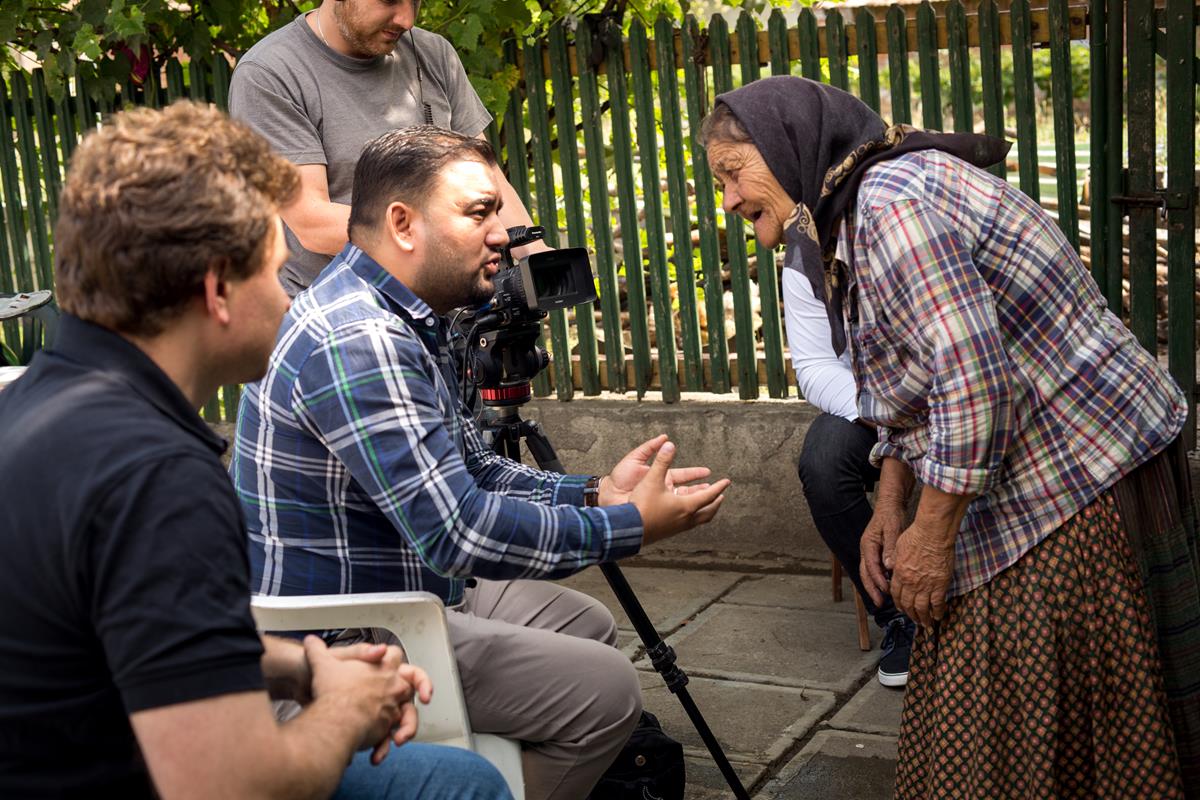
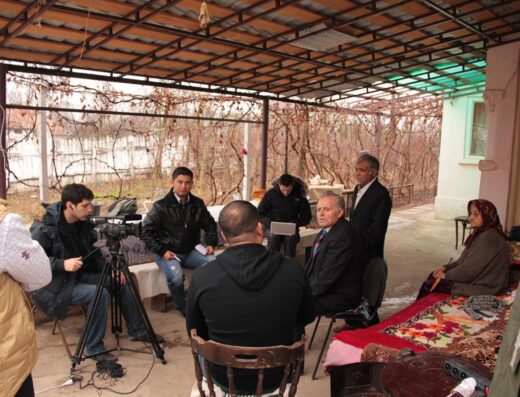
Excerpt from testimony:
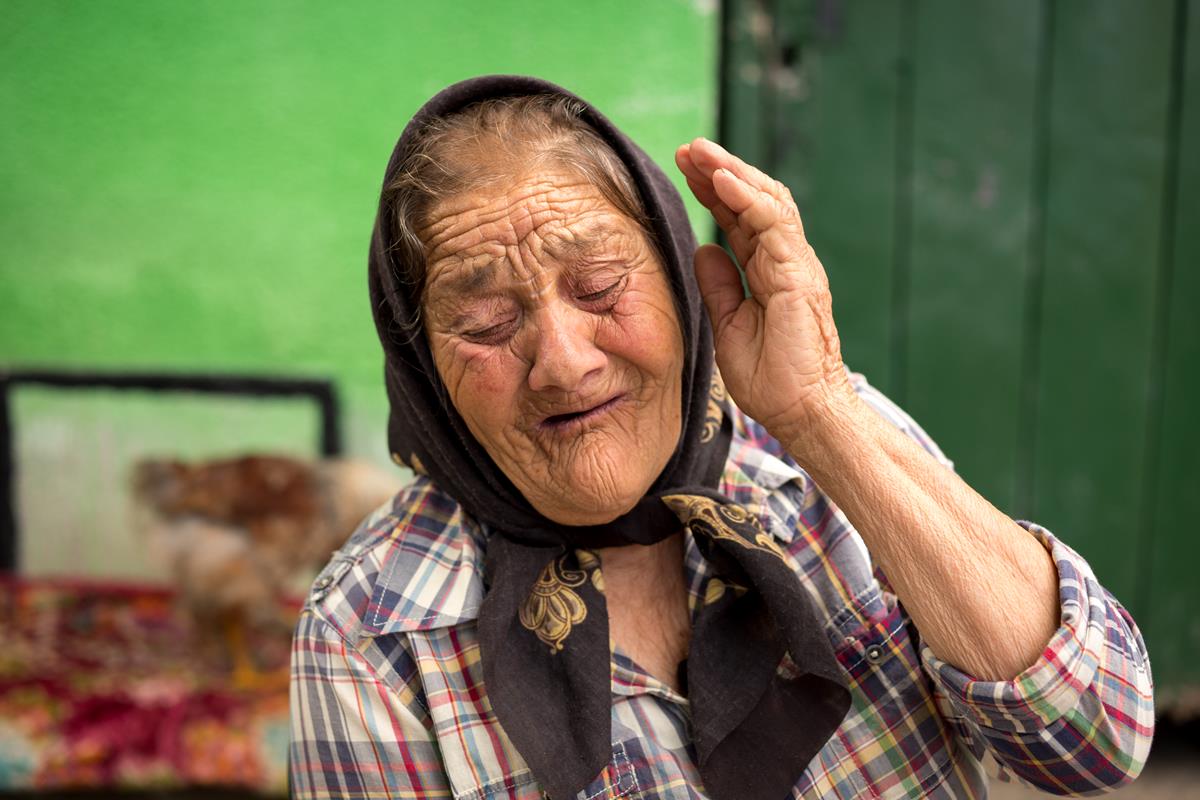
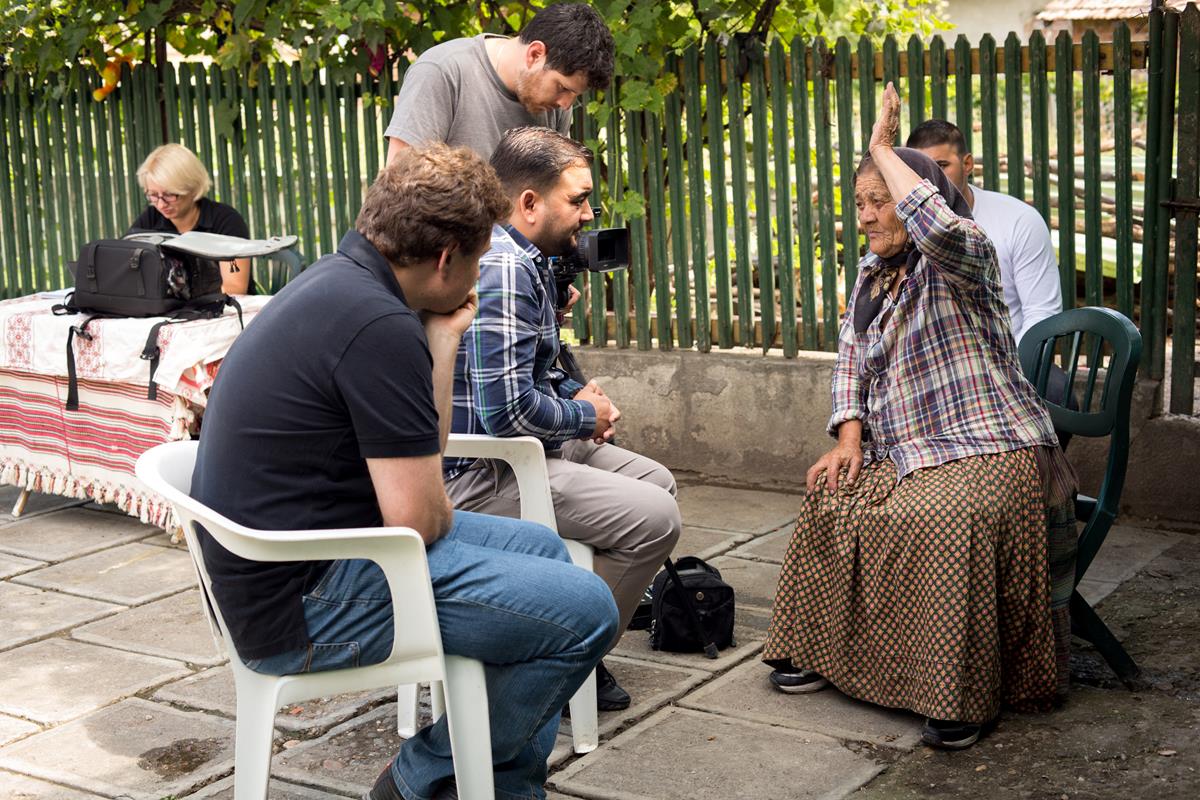
“[…] At one point, all the Roma were gathered together by a man and a woman who spoke Romanian, in order to be shot. As they were already lined up side by side, the woman intervened to stop the execution.
More than a hundred Roma died in the stables [in Transnistria]. The bodies were left outside, unburied. According to the interviewee’s testimony, more than half of the Roma community of the village [of Blăjel] died in Transnistria from hunger and the harsh living conditions.”
Romanian archives (if they exist):
Unfortunately, no archival documents related to the Roma deported from Blăjel have been identified.
Historical note on the Roma:
Blăjel is the seat of the commune of the same name, situated in the north of Sibiu County, 8 km from Mediaș. Documented as early as the 13th century, Blăjel was settled by groups of Hungarians, Germans, and Romanians. The Roma are attested later: in the general population census of 1930, the commune of Blăjel numbered 2,027 inhabitants, including 183 sedentary Roma (RGP 1930, II: 442-443). It appears that several families of corturari Roma (tent-dwelling Roma), who until the 1950s–1960s had led a semi-nomadic way of life, were settled in the area during the communist period. The corturari traveled by cart and made cauldrons and other objects of copper and aluminum, which they sold to the locals (Burcea 2015).
Historical note on the deportation:
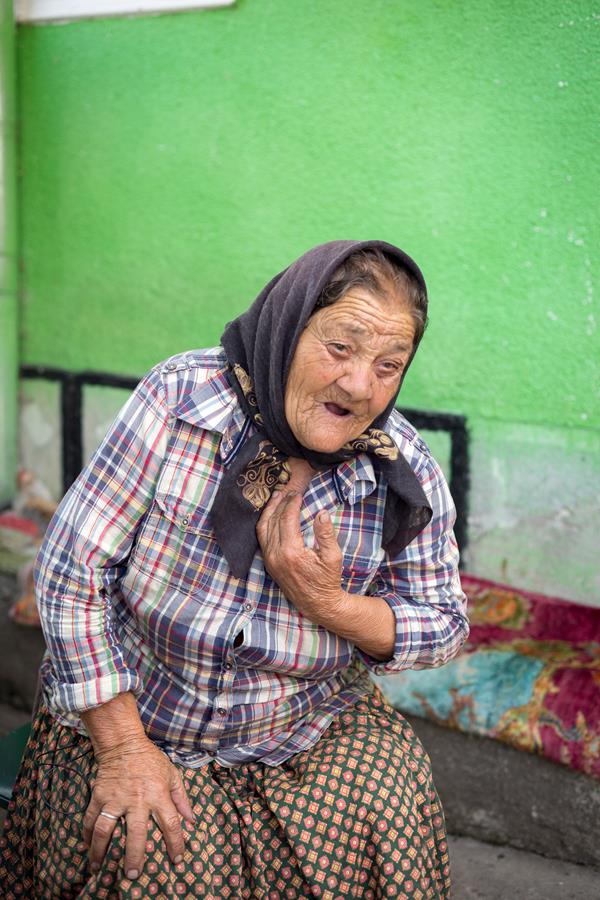
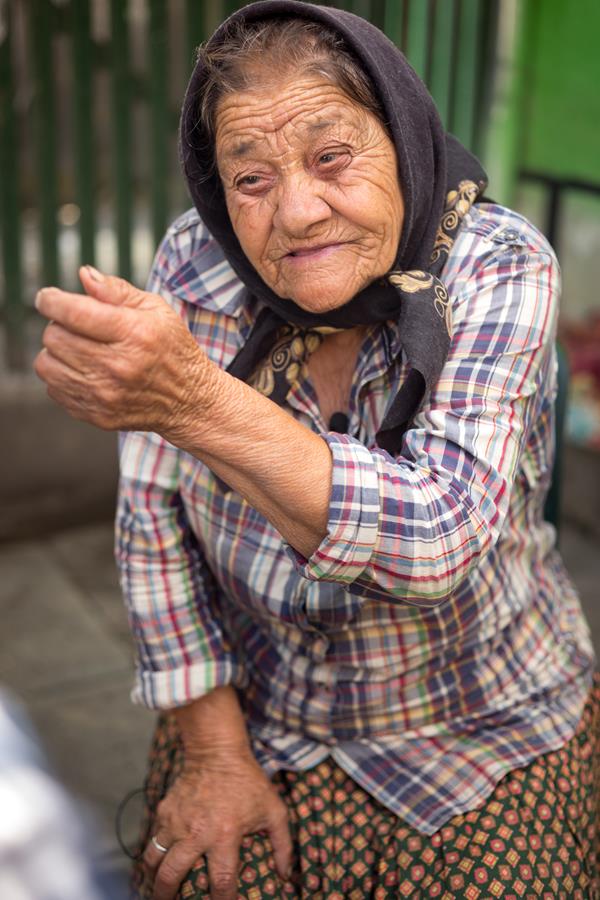
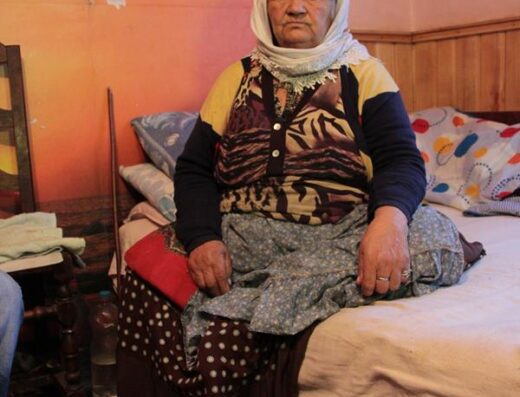
Maria Ciurar’s family was arrested by gendarmes in the summer of 1942, while they were in Blăjel. The gendarmes evacuated the entire local Roma community (some 30 families) under the pretext that they would receive land in Transnistria. Under gendarme escort, the convoy of carts passed through several localities in Moldova, buying or receiving food from the locals. The deportees crossed a river (unidentified) by boat, and the lack of food and exhaustion claimed numerous victims, especially among the children.
After arriving in Transnistria, the deportees were placed in the stables of a kolkhoz. At first they received food rations, but the situation deteriorated rapidly. The harsh living conditions forced many Roma to sell their few belongings to the local Ukrainians in exchange for food. Those who left the kolkhoz clandestinely were threatened with severe reprisals: at one point, the deportees were taken out of the stables, lined up, and threatened with execution.
The lack of food, the cold, and the epidemics decimated the group of Roma deportees. Maria Ciurar recalled that more than 100 Roma died in those stables in Transnistria, and the bodies remained unburied.
The survivors returned to Romania, probably in the spring–summer of 1944, when the Romanian and German forces hastily evacuated Transnistria. The deportees walked to the Dniester, after which they managed to board a train and return to Blăjel.
Brief note on a Roma subgroup:
Maria Ciurar belongs to the group of corturari Roma (tent-dwelling Roma) of Transylvania. The tragedy of this group has also been documented in a series of interviews with survivors of the deportations to Transnistria (Furtună 2012, 17-51; Furtună 2018, 38-61).
Categories
Features
Regions
Video
Location
Related Testimonies
Added By Catalin Biban

Please sign in to see contact details.
 Română
  English