
 >
>
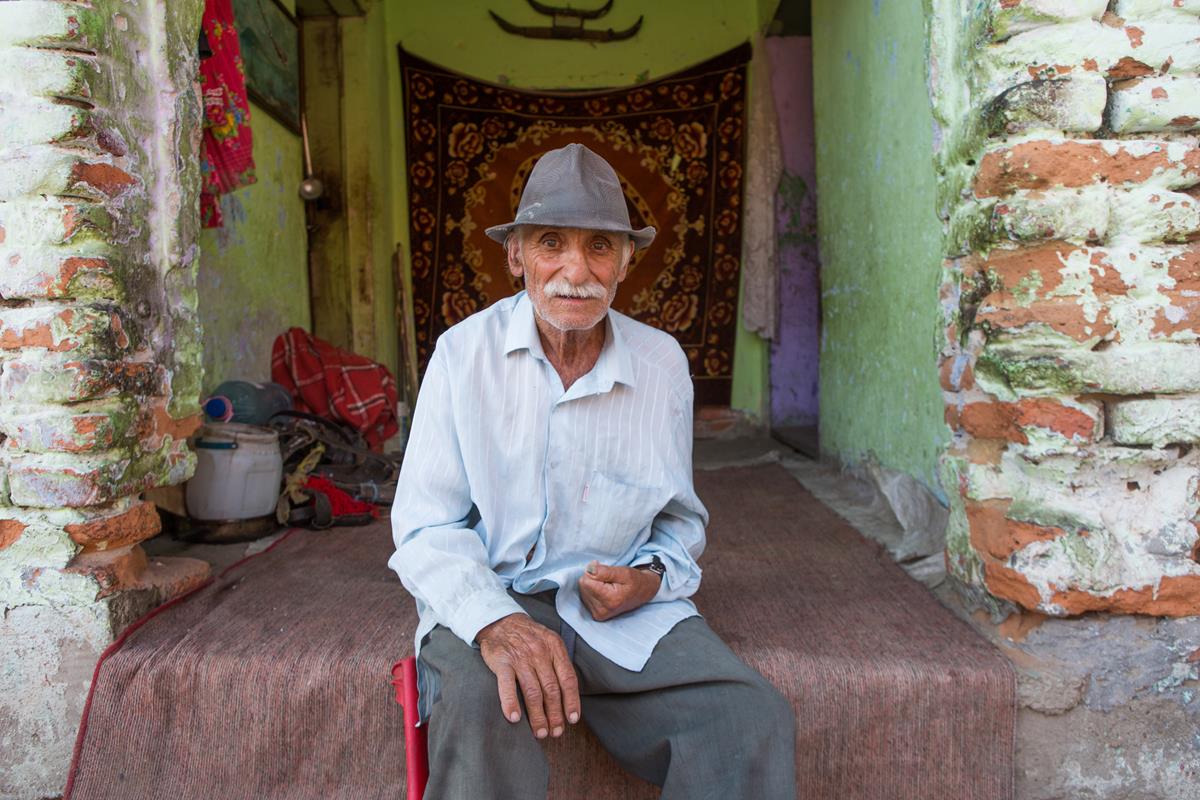
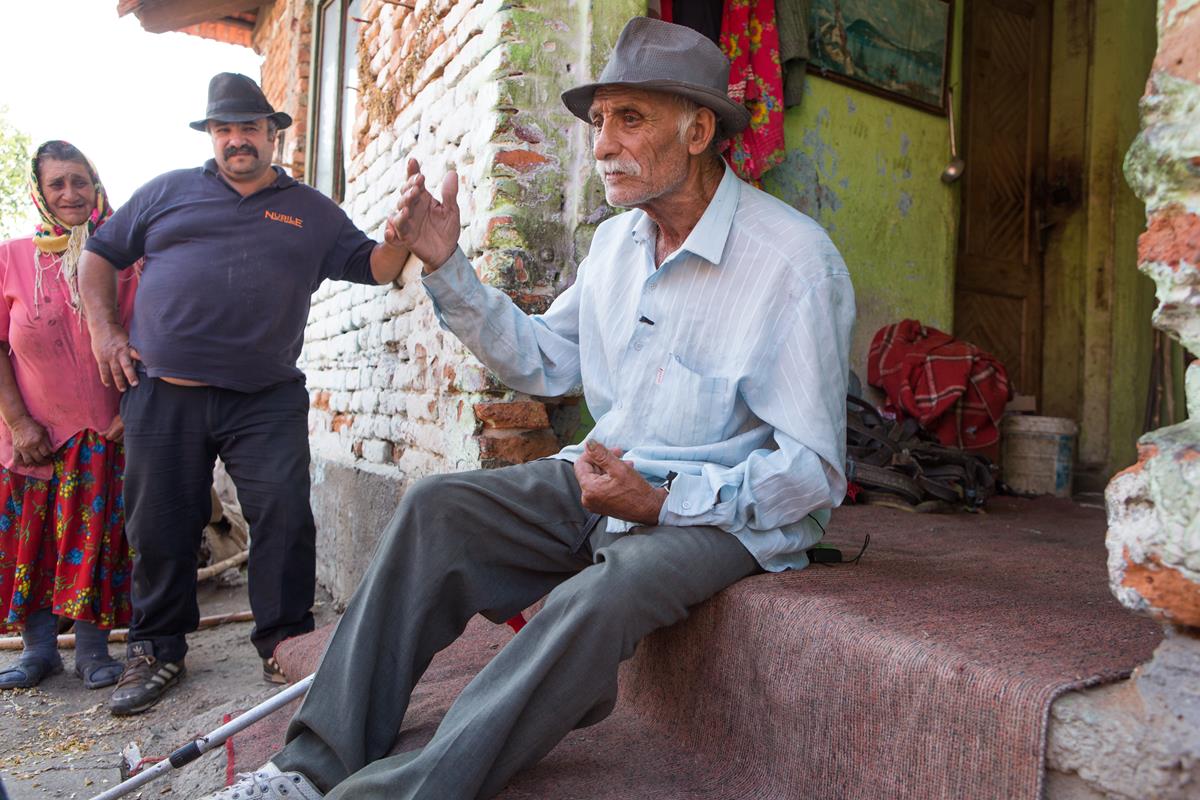
Name of the town: Viștea de Jos (village, commune of Viștea)
Region, country: Brașov County, Transylvania region (Romania)
Date of deportation: June – August 1942
Excerpt from testimony:
“They arrived at the Bug in late autumn [of 1942] and were placed in a camp near the river. Upon arrival, all their valuables and their carts were confiscated by the Russians. They were only allowed to keep the tents they slept in. The camp was guarded by Romanian [guards]. Leaving the camp was forbidden; otherwise, you risked being executed. Many Roma were shot for breaking this rule. Nevertheless, the Roma were allowed to go out to the market [near the camp] to buy food, but only with a permit. Those who had no money bartered. Many Roma died because of the harsh living conditions and hunger […].”
Romanian archives (if they exist):
Unfortunately, no archival documents related to the Roma deported from Viștea de Jos have been identified.
Historical note on the Roma:
Viștea de Jos (in Hungarian, Alsóvist) is a village in the Făgăraș Country (Țara Făgărașului), located in Brașov County, approximately 60 km from the city of Sibiu. The village is documented in 1511, but it already existed around 1400, when Prince Mircea the Elder (Mircea cel Bătrân) confirmed the ownership of a local boyar, Costea, over the village of Viștea de Jos and over “17 tent Gypsies” (țigani de cort) (Lukacs and Popescu Dolj 2016-2017, 147). The village was inhabited predominantly by Romanians, alongside whom Saxon colonists and Roma settled. The 1850 census recorded 1,087 inhabitants in the village, of whom 1,040 were Romanians, 6 Saxons, and 34 Roma (SCT 1996, 96-97). Around 1900, the village had 1,196 inhabitants, predominantly Romanians (Diaconovich 1904, 3: 1225). The general population census of 1930 recorded 1,098 inhabitants in the village, but not a single Rom (RGP 1930, 2.1: 192-193).
Historical note on the deportation:
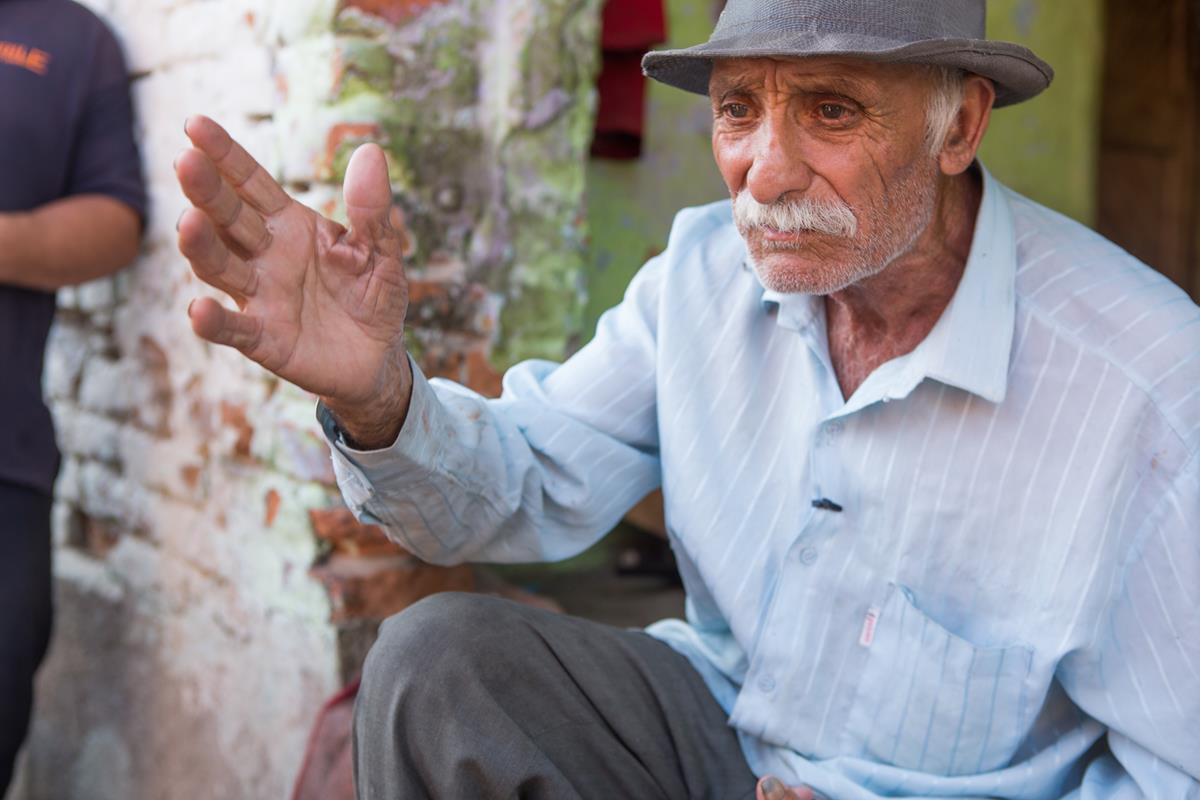
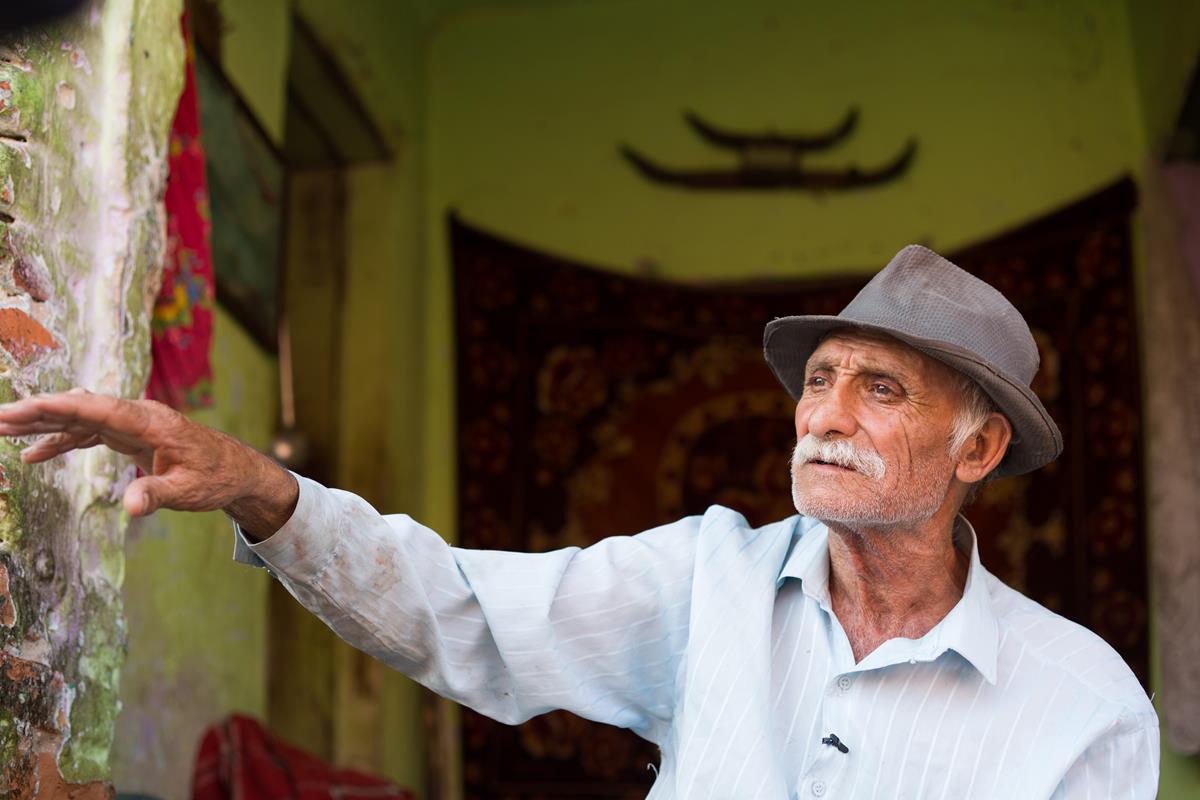
Victor Căldăraru belongs to a family of căldărari Roma who made and sold copper cauldrons and vessels. These Roma traveled by cart through the villages of southern Transylvania to sell their products, receiving in exchange either money or food.
The deportation probably took place at the beginning of the summer of 1942, when gendarmes arrested the entire family and, without revealing the destination, ordered them to pack their belongings and prepare to leave. The family set off in their cart, under gendarme escort, moving from village to village to the border. The convoy crossed the Dniester to reach Transnistria. On the way, the interviewee’s sister, Veta, died.
The family arrived in Transnistria in late summer or early autumn and was relocated to a field near the Bug (unspecified, probably located in Golta County). Their valuables and carts were confiscated; the guards left them only their tents for shelter. The deportees’ improvised settlement was guarded by Romanian gendarmes, who had orders to shoot if the Roma tried to leave the site without authorization. Despite the risk, the Roma broke this rule and went out in search of food. The deportees were subjected to forced labor, working the lands of a nearby kolkhoz in exchange for meager food rations. In addition to the deaths caused by the lack of food and the harsh climate, the abuses committed by the guards and German soldiers (rapes) claimed many victims among the Roma.
After two years of suffering, the Căldăraru family returned to Romania following the Romanian and German troops retreating from Transnistria in the spring of 1944. The journey was long and exhausting, made partly on foot and partly by train. The toll was dramatic: Victor Căldăraru lost his brothers, sisters, and father in Transnistria; only he and his mother survived.
Brief note on a Roma subgroup:
The interviewee belongs to the group of căldărari Roma (Roma specialized in metalworking).
Categories
Features
Regions
Video
Location
Related Testimonies

Added By Catalin Biban

Please sign in to see contact details.
 Română
  English