
 >
>
Name of the village: Cerăt (commune in Dolj County)
Region, country: Oltenia Region (Romania)
Date of deportation: September 1942
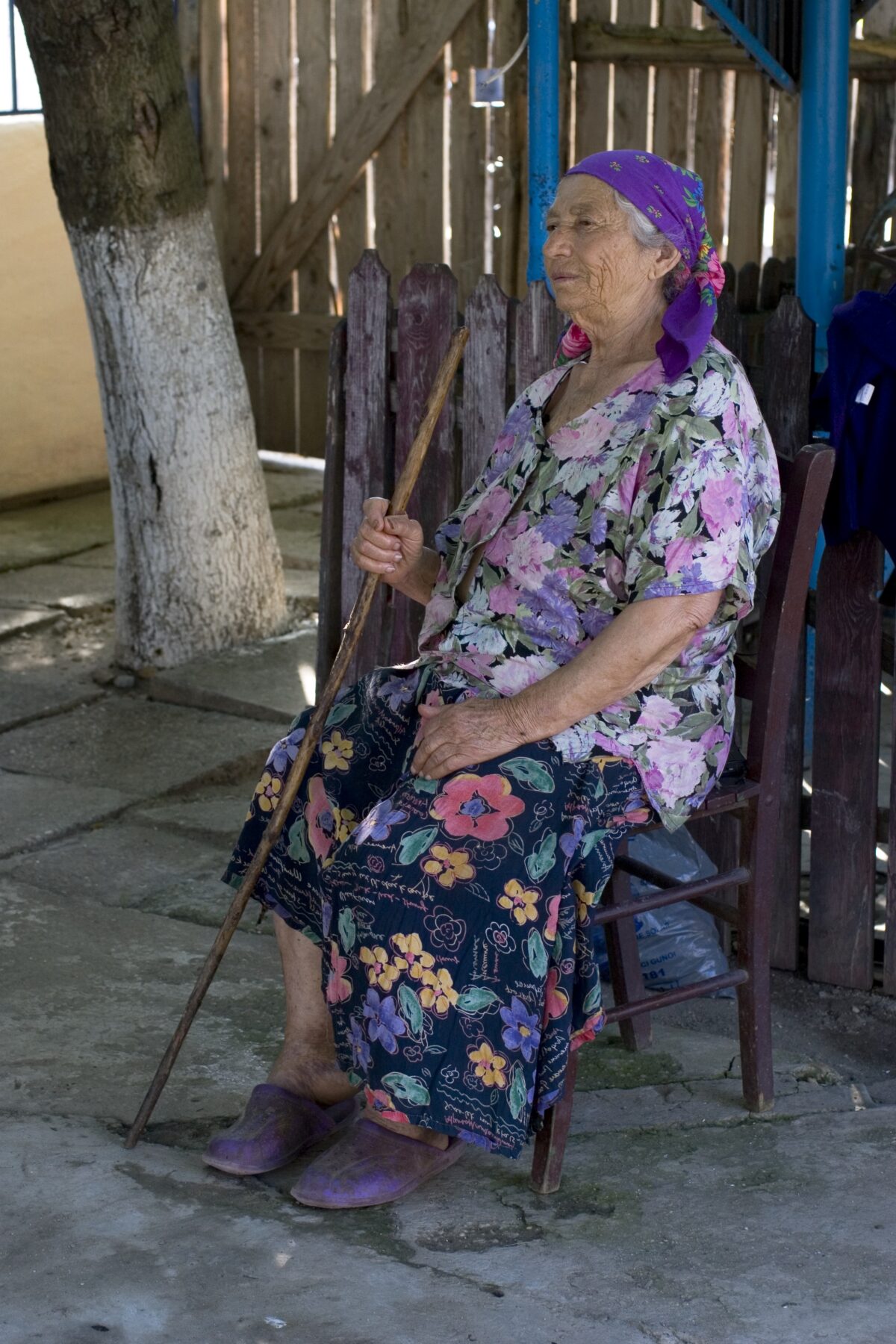
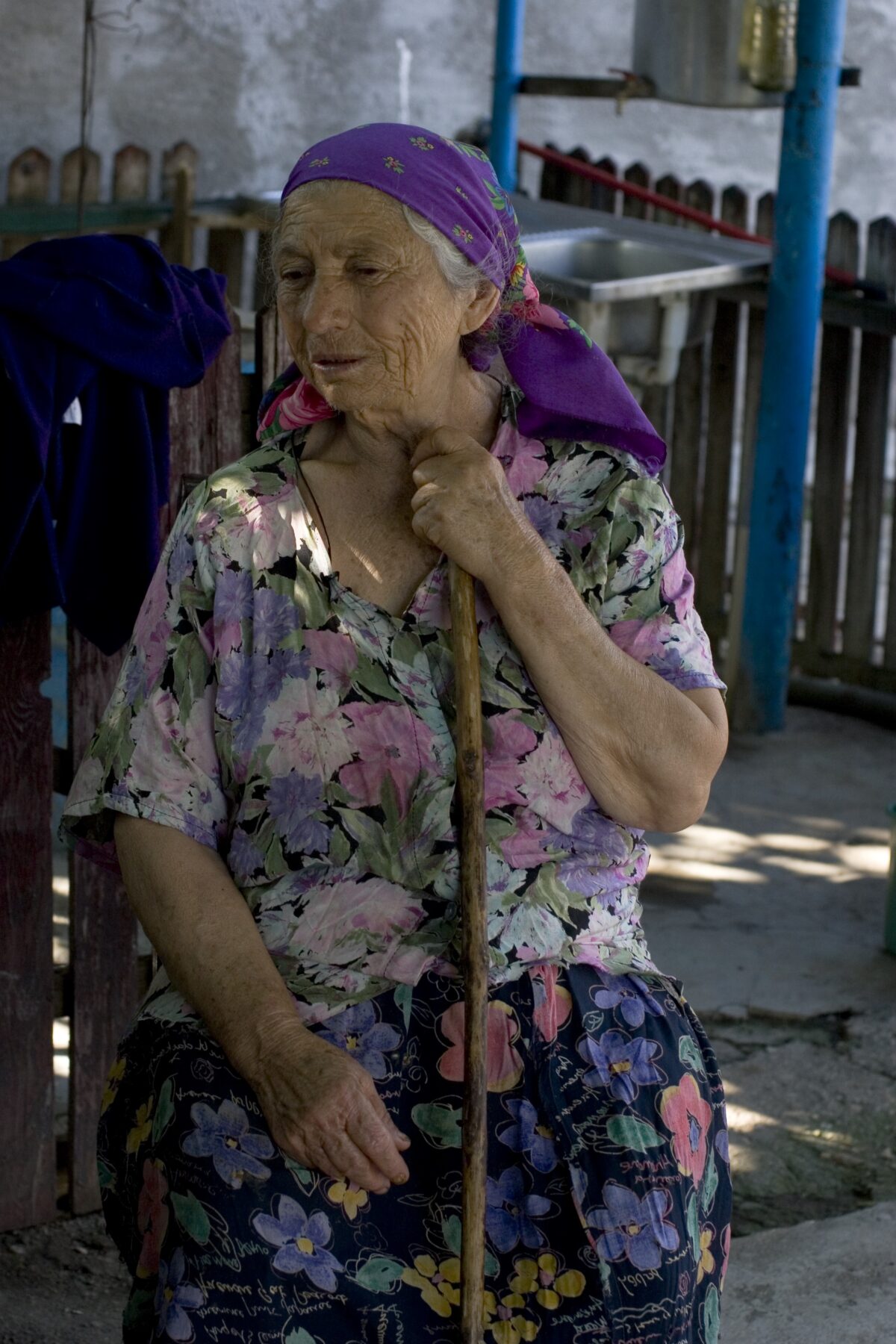
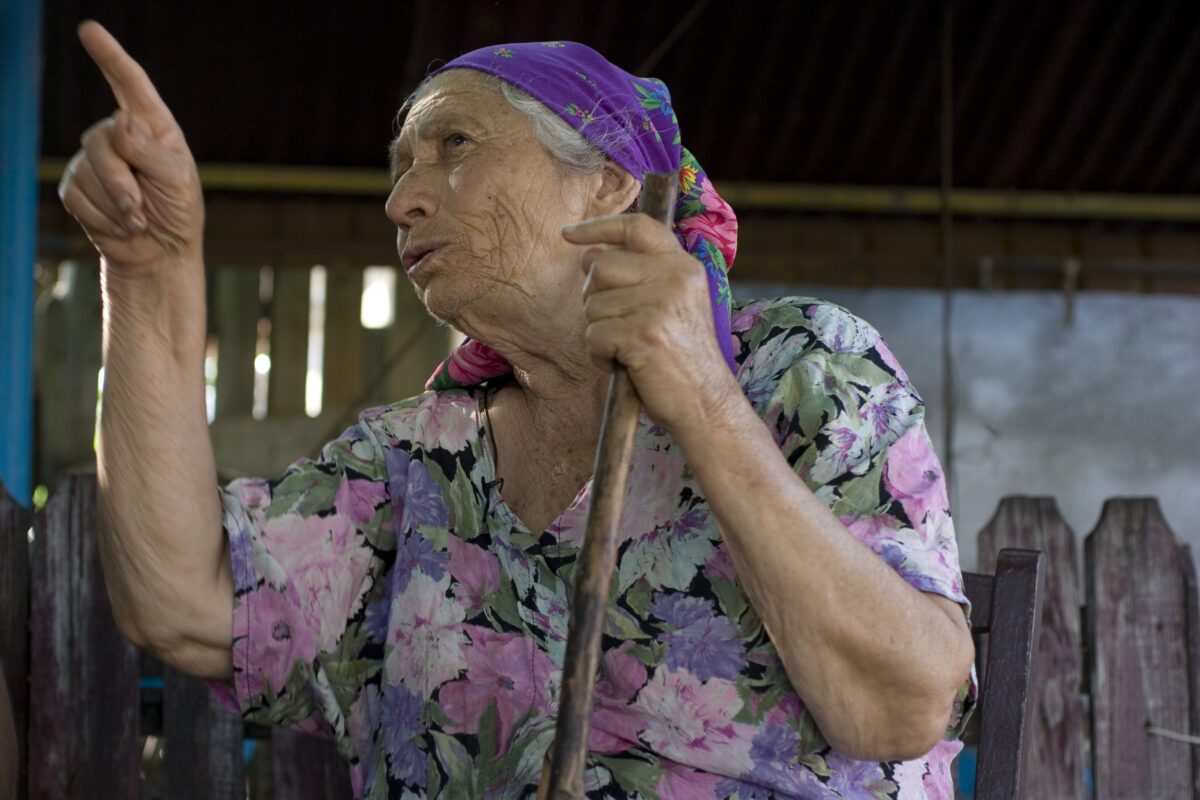
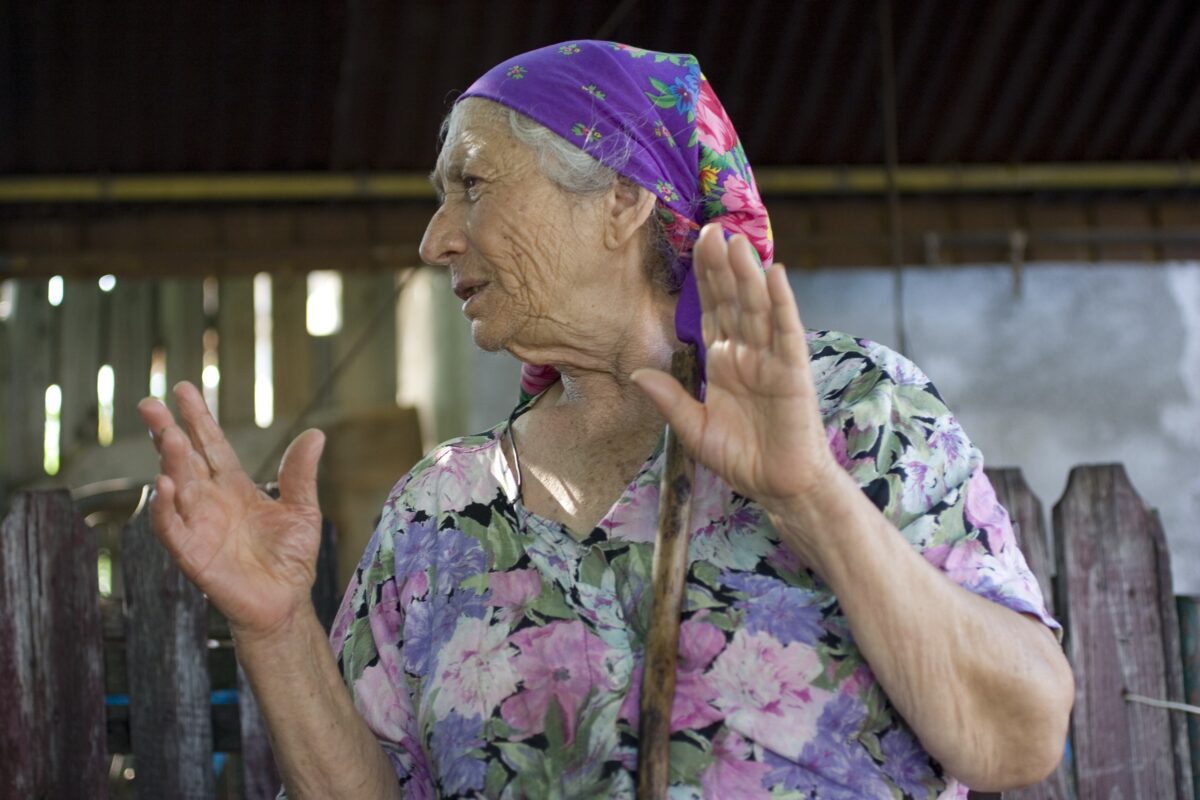
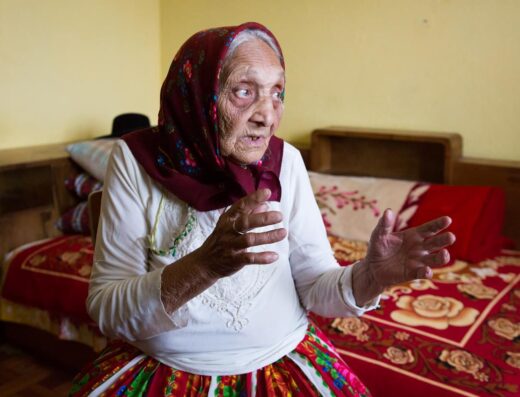
Excerpt from testimony:
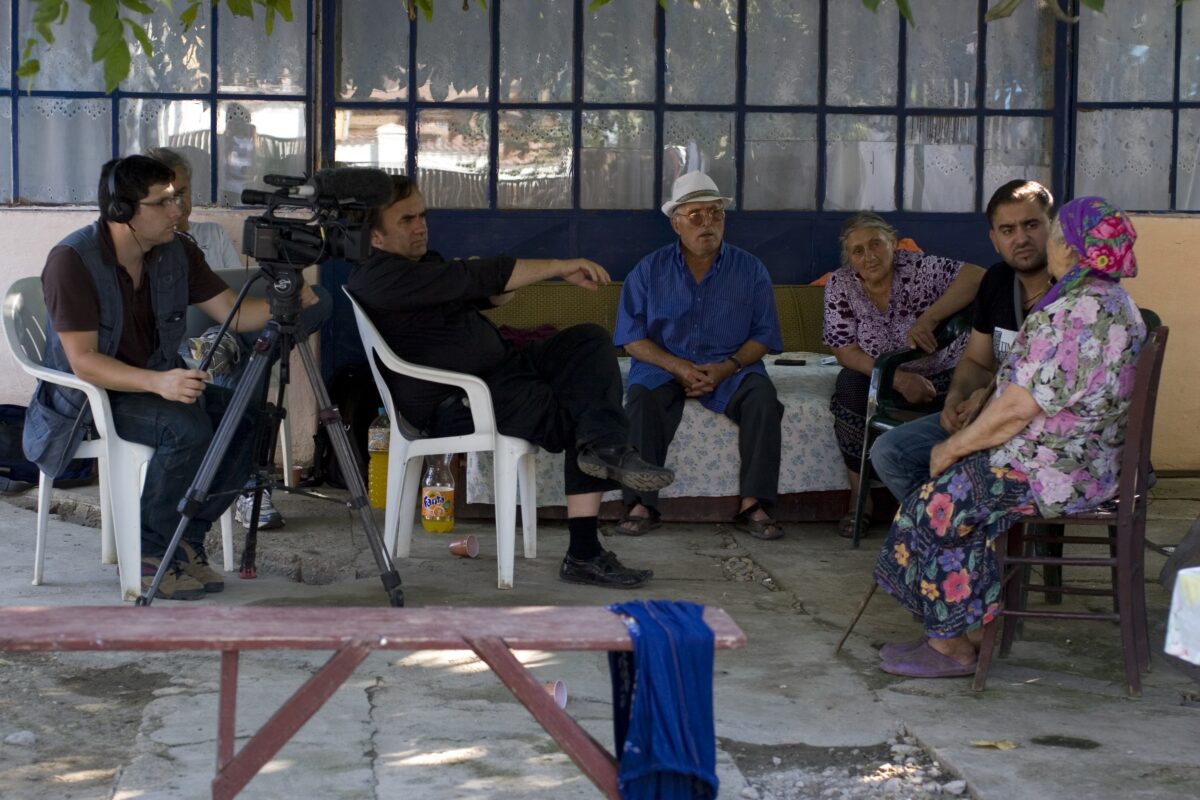
“Before the war, her parents worked for the marshal harvesting wheat. They were gathered by the gendarmes and taken to the police station. The chief commissioner told them that they were not living a very good life in Romania and that they were going to be sent somewhere else where they would have a house and a better life. They were taken to Transnistria, to Kovaliovka, where they lived a miserable existence and where her parents and 3 of the 6 brothers and sisters died. The dead were thrown into a pit by the Russians, sprinkled with kerosene, and burned. It took several days for the bodies to burn. So many bodies were burned that a song was composed by the young girls in the village: ‘near the Bug a fire burns, the bodies are burning.’ They cried while singing this song. The unmarried boys sang this song all the time […].”
Romanian archives (if they exist): N/A
Historical note regarding the Roma:
The Roma represent the second largest ethnic group, after Romanians, in the commune of Cerăt. Located in Dolj County, about 40 km from Craiova, the commune had 1,675 inhabitants around the 1890s (MDGR 1899, II: 318). The population grew to 2,811 inhabitants, among whom 40 sedentary Roma, in 1930 (RGP 1930, II: 170–171). According to the testimony of the interviewed person, some of these Roma worked in agriculture (they were day laborers on the estates of the large landowners in the region).
Historical note regarding the deportation:
The Roma from Cerat were taken from their own homes by the local gendarmes and evacuated to Băilești at the beginning of September 1942. Afterwards, they were loaded into freight wagons, which were attached to the special train E8 bound for Tighina. On 12 September 1942, train E8 departed from Drobeta Turnu-Severin and, after a journey lasting several days, reached its destination (ANI, IGJ archive no. 126/1942: f. 109; f. 213–214).
After arriving in Transnistria, the Roma deportees were settled in the commune of Kovalevka (Oceakov district). For almost 2 years they endured numerous hardships, as a result of which many deportees lost their lives (the interviewed person lost her parents and 3 siblings). The guards threw the corpses into a pit, poured kerosene over them, and set them on fire (the incineration lasted several days because of the large number of corpses).
A short note about one aspect of the Roma, for example a group: Some of the Roma from Cerat work in agriculture.
Categories
Features
Regions
Video
Location
Related Testimonies

Added By Catalin Biban

Please sign in to see contact details.
 Română
  English