


 >
>
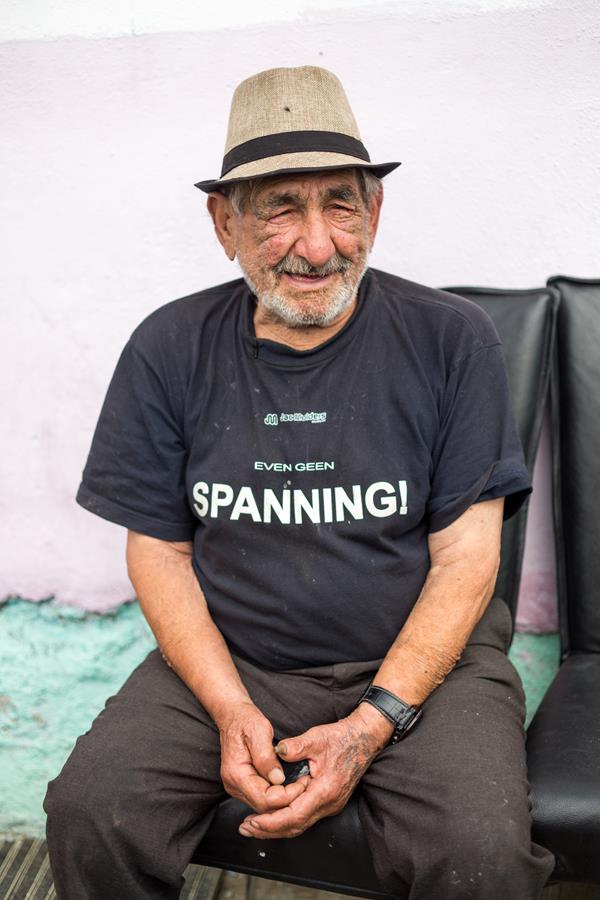
Name of the town: Sibiu (city)
Region, country: Sibiu County, Transylvania region (Romania)
Date of deportation: September 1942
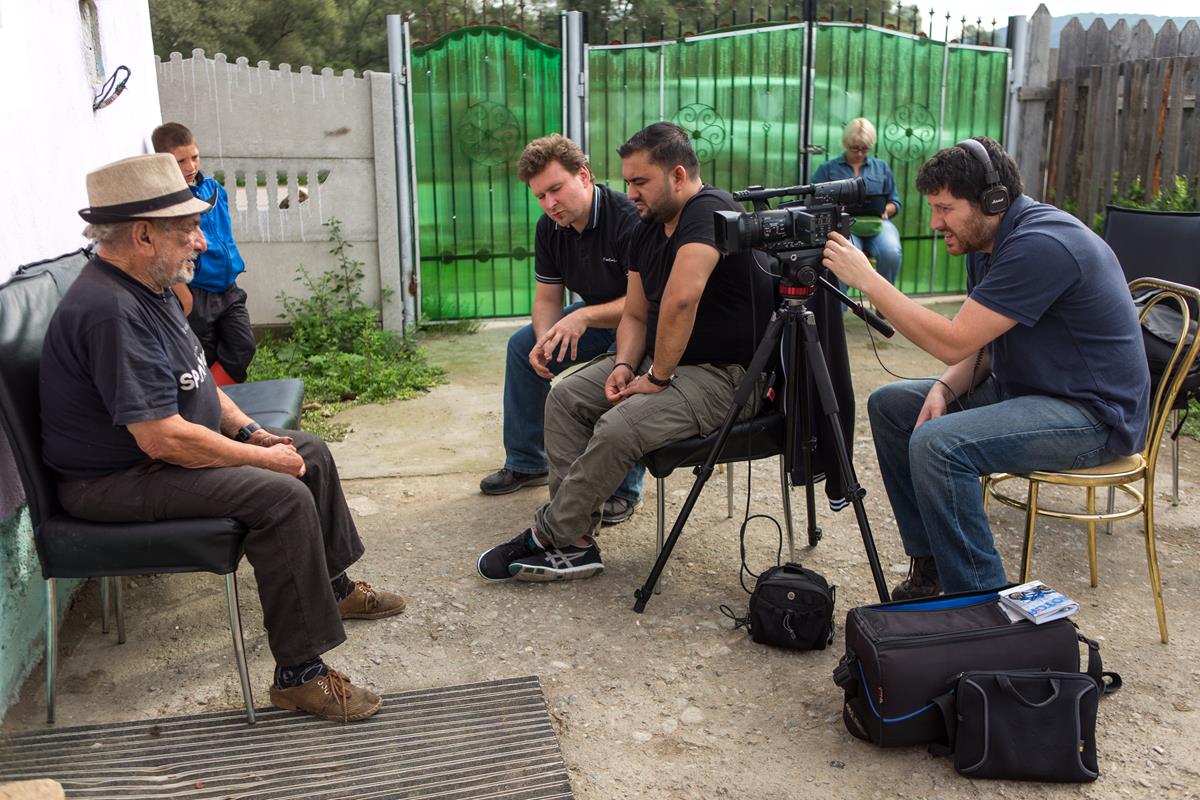
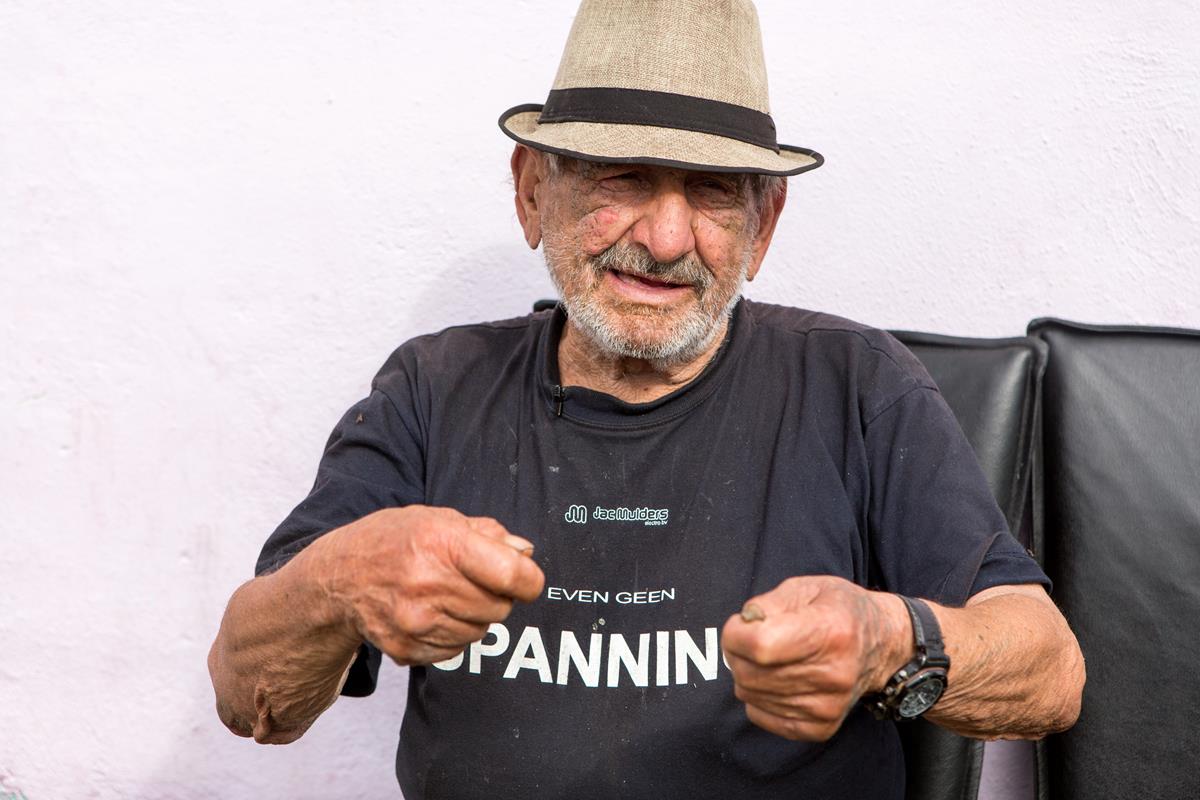
Excerpt from testimony:
“[…] The first stop was at Kovaliovka. The Roma were installed in evacuated houses, three or four families to a house. The village was divided into two parts—in one lived the Roma, in the other the [local] Ukrainians. […] The bodies were collected in a cart and taken to be buried in a designated place. The interviewee lost his grandmother and a cousin. Many Roma were shot because they tried to leave the village; leaving the village was forbidden both by night and by day. The village was under watch.”
Romanian archives (if they exist):
The interviewee appears, together with his parents and siblings, on a list of sedentary Roma proposed for deportation to Transnistria by the Sibiu Police Prefecture (Chestura de Poliție Sibiu). The list was compiled on August 16, 1942 (Romanian national archives (ANI), General Directorate of the Police fonds (fond DGP), file no. 185/1942: f. 49).
Historical note on the Roma:
Sibiu (in German, Hermannstadt; in Hungarian, Nagyszeben) is the seat of the county of the same name. It was founded by Saxon colonists in the 12th century on the Cibin River and, over more than eight centuries of existence, has been an important commercial, administrative, and political center of southern Transylvania (Borș and Nanu 2021, 7). Alongside the Saxons, Hungarians, and Romanians, a few Roma families settled on the outskirts of Sibiu in the 15th century. Initially they had the status of royal serfs, enjoying a series of fiscal immunities and the freedom to practice their trades (blacksmiths, lăutari musicians) in exchange for paying certain taxes and performing services for the city, such as cleaning the public squares. At the end of the 18th century, following the incorporation of Transylvania into the Habsburg Empire, the first measures of forced sedentarization and assimilation were implemented, aimed at transforming the Roma into “new peasants” (neorustici) (Gebora 1932, 84-85). After they were granted the right to settle and buy property in the city, the number of Roma in Sibiu grew steadily. The 1850 census identified 527 Roma out of a total of 15,315 inhabitants (SCT 1996, 298-299). Under Austro-Hungarian dualism, the policy of forced assimilation continued. Its consequences became fully visible after 1918, when Transylvania was integrated into Greater Romania: the 1930 census registered only 285 Roma out of a total of 49,345 inhabitants, most of them Saxons (RGP 1930, II.1: 410-411). The demographic situation changed profoundly in the postwar years, following the mass deportation of the Saxons to the USSR and their subsequent emigration to the Federal Republic of Germany. Part of the Saxons’ houses and lands were redistributed to local Romanians and Roma by the communist regime.
Historical note on the deportation:
Andrei Sandor and his family (his parents and four siblings) were registered by the local authorities of Sibiu in May 1942 and proposed for deportation on the grounds that they “lacked means of existence or a definite occupation” (ANI, fond DGP, file no. 185/1942: f. 49). They were arrested by the local gendarmes in September 1942 and escorted to the city’s railway station. The interviewee’s father was not arrested, as he was away from the city. The gendarmes formed a convoy of approximately 200 Roma, rounded up from Sibiu and the surrounding villages, and loaded them into cattle cars attached to the special train E6 bound for Transnistria.
Once in Transnistria, the deportees were unloaded in Odessa and relocated to the commune of Kovaliovka (Ochakov County). The Roma deportees were assigned to the evacuated houses of the local Ukrainians and kept under gendarme watch. Some deportees broke the order not to leave the locality and went to the neighboring villages in search of food, but were shot by the gendarmes. Many other deportees lost their lives to the epidemics and to hunger (the interviewee lost his grandmother and a cousin).
After two years of suffering, Andrei Sandor and his family managed to return to Romania with the help of his father, who came to look for them in Transnistria. Using false documents, the father succeeded in getting his family, together with some 300 other deportees, onto a train bound for Romania. After a long journey, the deportees arrived in Sibiu and managed to recover their house, which had been “Romanianized” (expropriated and reassigned).
Brief note on a Roma subgroup:
Andrei Sandor belongs to the group of sedentary Roma. His parents were traders and traveled seasonally through the region to sell their goods.
Categories
Features
Regions
Video
Location
Related Testimonies
Added By Catalin Biban

Please sign in to see contact details.
 Română
  English