

 >
>
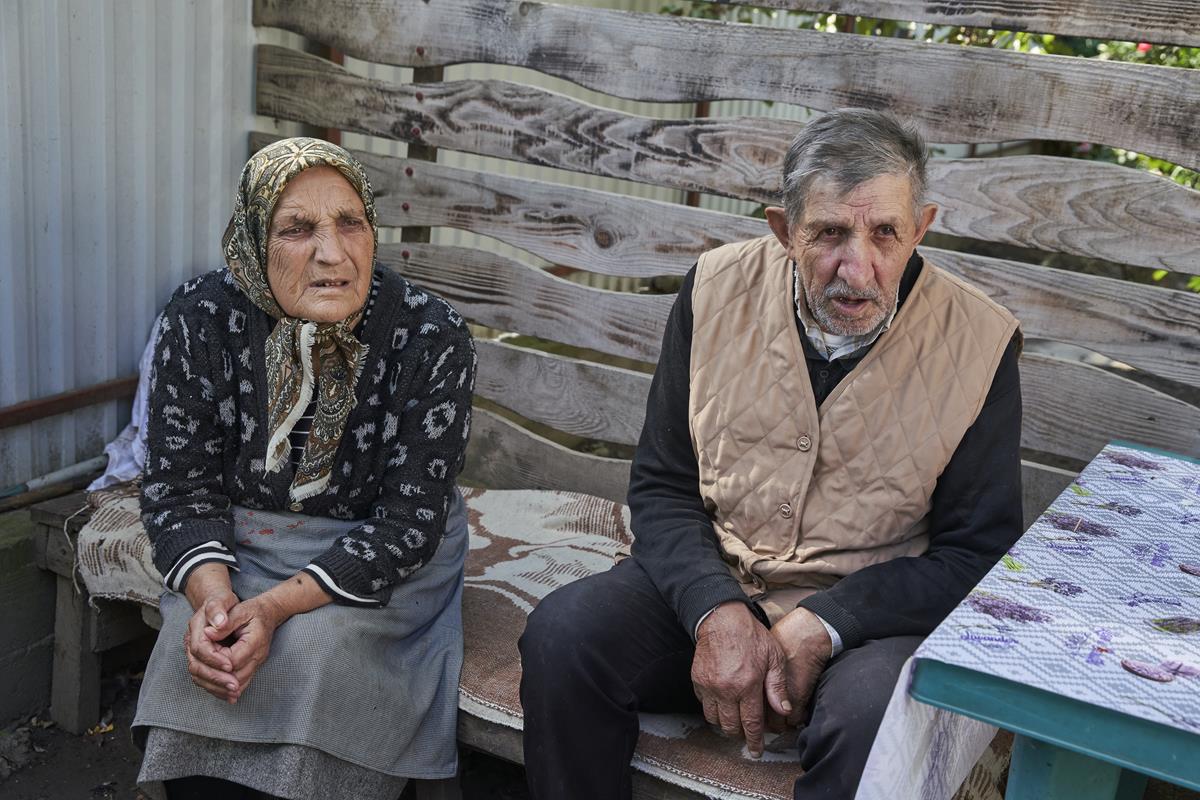
Name of the town: Ștefănești (town, formerly a village)
Region, country: Botoșani County, Moldova region (Romania)
Date of deportation: September 1942
Excerpt from testimony:
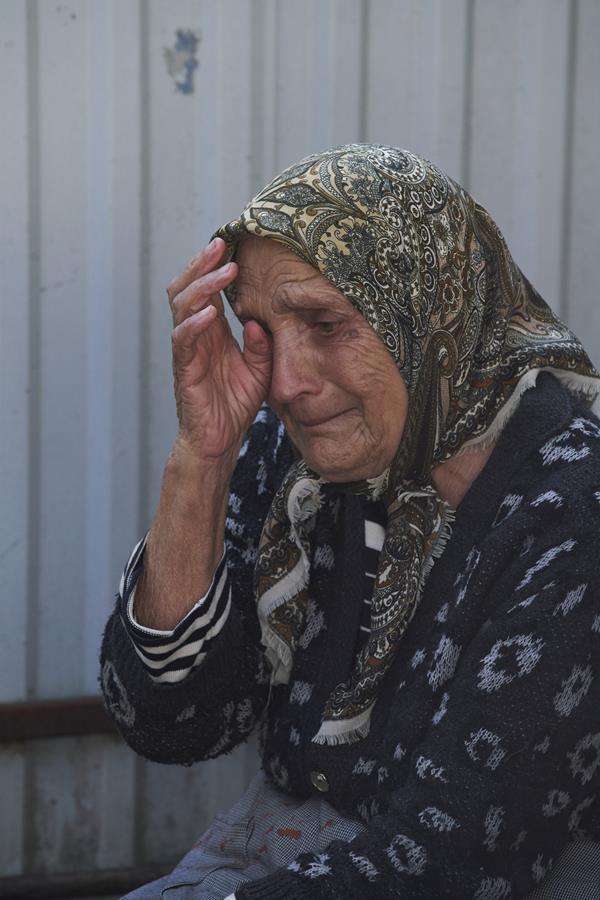
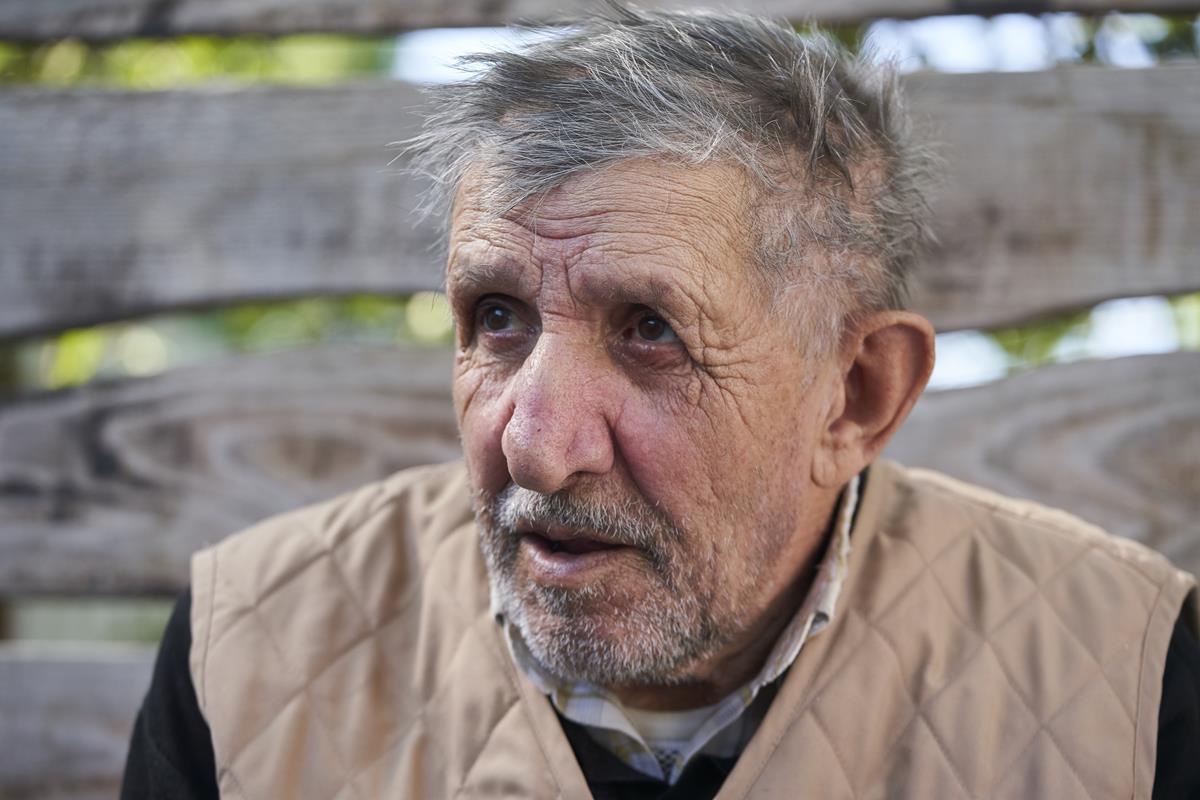
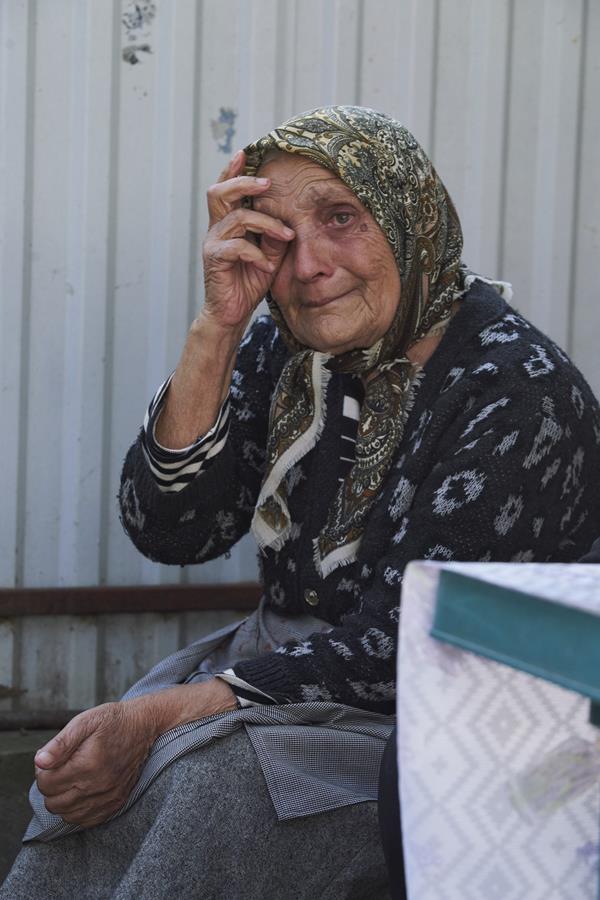
“Once they arrived [in Transnistria], the Roma were relocated to a field, into dugouts, far from the surrounding villages. The Roma were made to work in the fields. The interviewee’s aunt, Leonora, aged 50, died during the winter. Her body was thrown into a ditch because the ground was too frozen to dig a grave.”
Romanian archives (if they exist):
The names of the interviewees (the spouses Nicolae and Natalia Costea) do not appear on the list of 15 sedentary Roma deported from Ștefănești by the Botoșani Gendarme Legion in September 1942 (Romanian national archives (ANI), General Inspectorate of the Gendarmerie fonds (fond IGJ), file no. 127/1942: f. 86).
Historical note on the Roma:
The town of Ștefănești, situated in the southeast of Botoșani County at the confluence of the Bașeu and Prut rivers, is documented as early as the 15th century (Maftei 2011, 28). Roma are mentioned at the beginning of the 19th century as enslaved craftsmen (blacksmiths, lăutari musicians, and furriers). A statistical record from 1832 mentions that 21 Roma lived in the market town of Ștefănești (Negruți 1997, Annex no. 6). Nearly a century later, the general census of 1930 recorded 8,891 inhabitants in the town of Ștefănești, then attached to Botoșani County, including 20 sedentary Roma (RGP 1930, II.1: 72-73). According to the interviewee’s testimony, most of them were lăutari and farmers.
A large number of these Roma were registered in 1942 by the Botoșani city police, under whose jurisdiction the market town of Ștefănești fell. In May 1942, the local police recorded in Ștefănești 11 Roma with criminal records and without means of subsistence (ANI, fond IGJ, file no. 203/1942: f. 99). In September 1942, the Botoșani Gendarme Legion included 15 sedentary Roma (2 families) on the final deportation list (ANI, fond IGJ, file no. 127/1942: f. 86).
Historical note on the deportation:
The family of Nicolae Costea (parents and three children) was living in the town of Ștefănești when the first deportation operations began in 1942. Although his father had been mobilized at the front, the interviewee was placed on the deportation list by the Botoșani city police. Together with his mother and two sisters, Nicolae Costea was rounded up by the local policemen and escorted to the railway station in Trușești, where they were loaded into cattle cars and taken to Botoșani. Upon arrival, these cars carrying Roma deportees were attached to the special train E7, which departed for Transnistria on September 16, 1942 (ANI, fond IGJ, file no. 127/1942: f. 133).
After arriving in Transnistria, Nicolae Costea’s family was relocated to a field, far from the surrounding villages (which remain unidentified). The deportees were forced to live in dugouts dug directly into the ground and to work in the fields. The cold, the lack of food, and typhus claimed many victims among the deportees. Leonora, the interviewee’s aunt, probably died in the winter of 1942; her body was left in a ditch, as the ground was too frozen to dig a grave.
Salvation came thanks to the persistence of the father, a serving soldier, who traveled to Transnistria to search for his deported family. He managed to find them and bring them back to the country in the spring–summer of 1944. When they returned to Ștefănești, Nicolae Costea and his family found their house destroyed.
Categories
Features
Regions
Video
Location
Related Testimonies


Added By Catalin Biban

Please sign in to see contact details.
 Română
  English