

 >
>
Name of the town: Mașcateni (village, commune of Trușești)
Region, country: Botoșani County, Moldova region (Romania)
Date of deportation: September 1942
Excerpt from testimony:
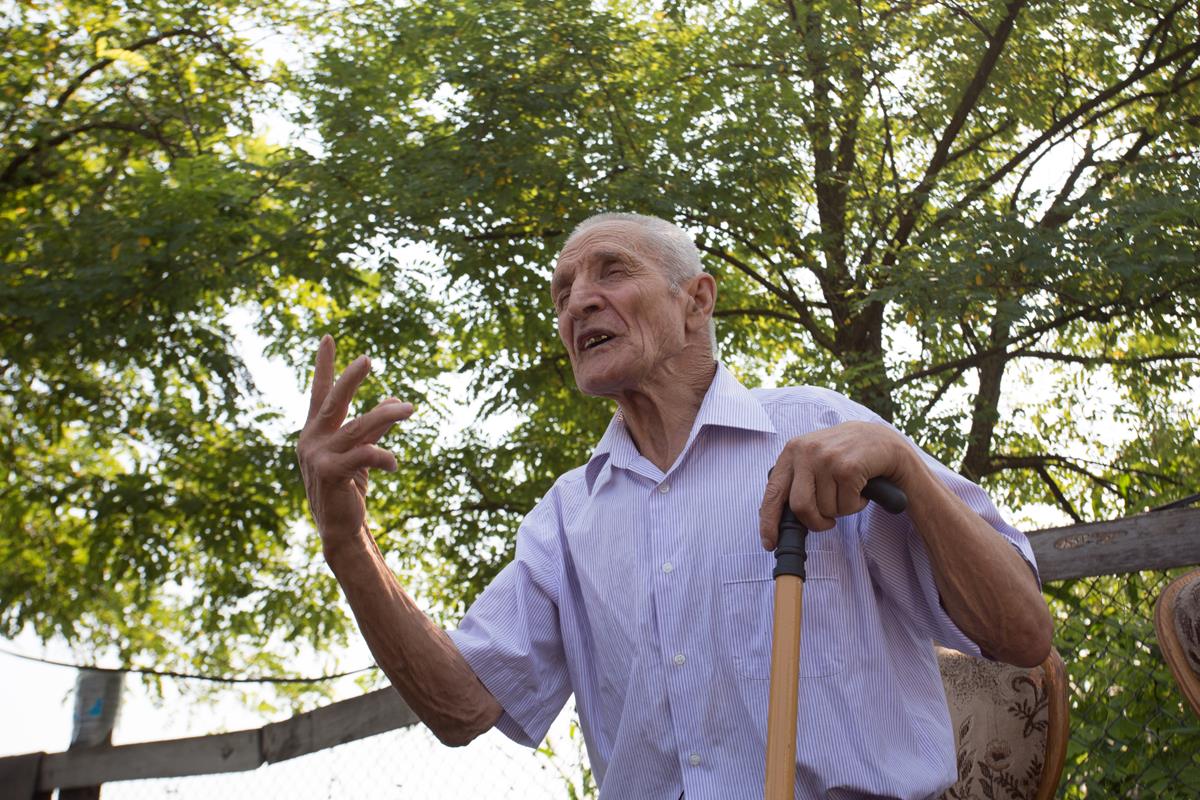
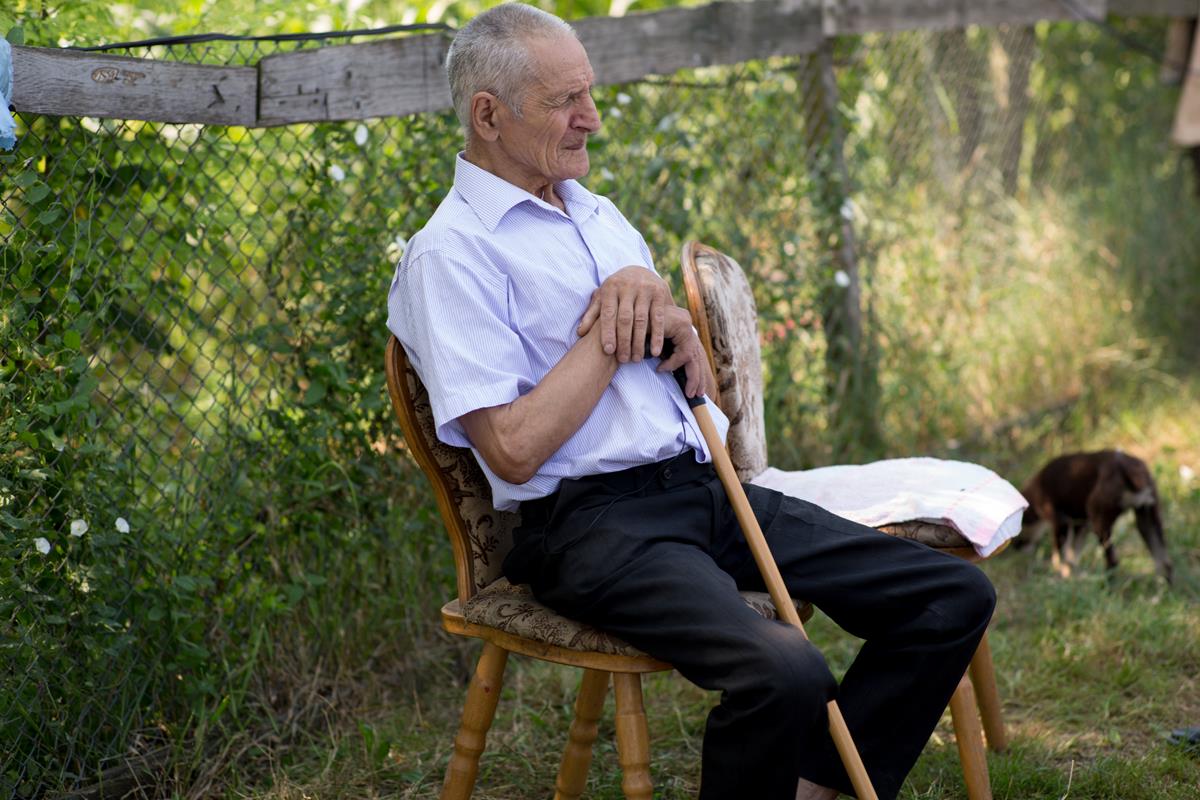
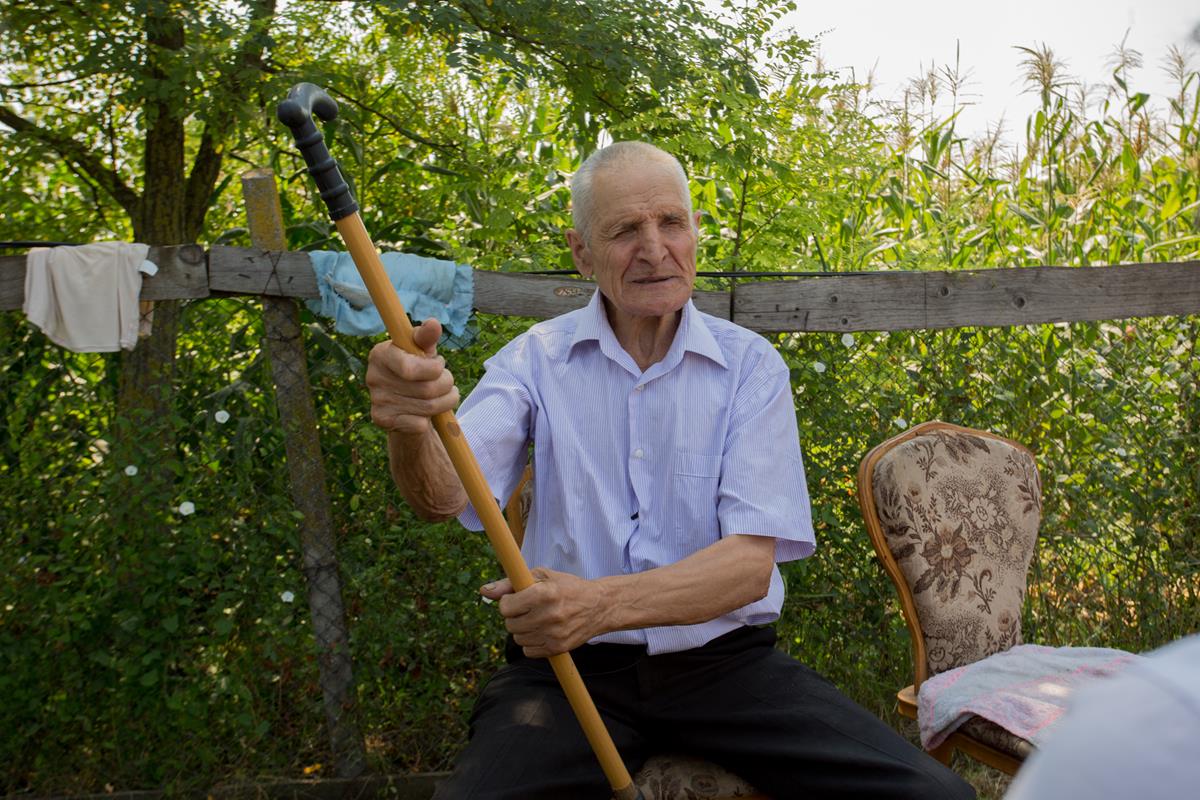
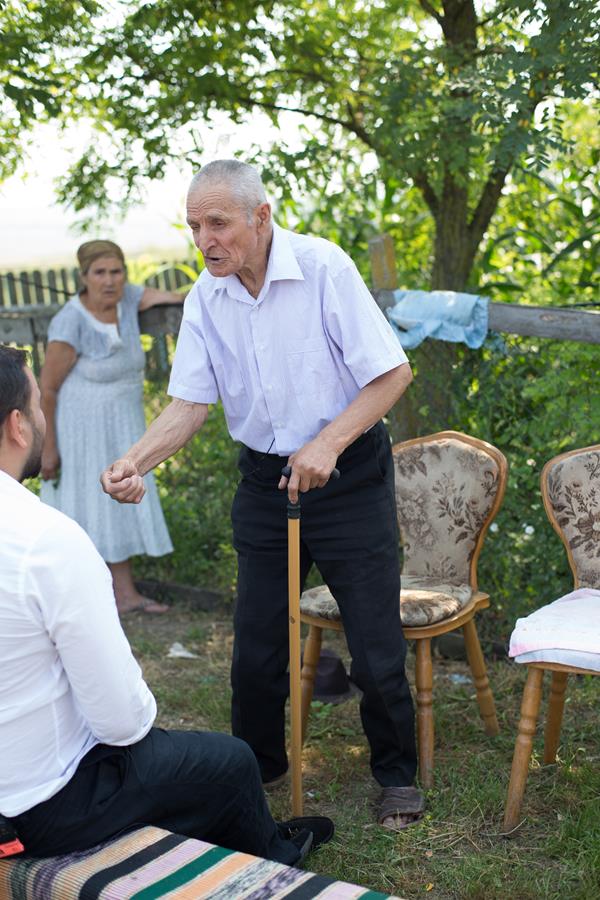
“The first place where [the deported Roma] were relocated was the commune of Karanika, in Ochakov County. The Roma were housed in the Russians’ houses (several families to a house). The local Russians were moved to another part of the village. One member of each family had to go and collect the flour rations distributed by the leader of the Roma, Ibris. They drew water from a well. They fished in the waters of the nearby Bug. Many [Roma] lost their lives and were buried in mass graves (holding up to 40 people). A special brigade of Roma was tasked with burying the bodies. One of the interviewee’s parents (his own mother) cut off the leg of her deceased daughter in order to feed herself.”
Romanian archives (if they exist):
In September 1942, the Botoșani Gendarme Legion deported from the village of Trușești three families bearing the name Popiștică. The name of Costache (Constantin) Popiștică does not appear on this list (Romanian national archives (ANI), General Inspectorate of the Gendarmerie fonds (fond IGJ), file no. 127/1942: f. 84).
Historical note on the Roma:
Mașcateni is a village in the commune of the same name, located in the valley of the Jijia River, approximately 35 km from the city of Botoșani. Around 1900, the village had 950 inhabitants (227 families) (MDGR 1902, V: 649).
The 1930 census recorded 1,420 inhabitants in the commune, including 53 sedentary Roma (RGP 1930, II: 76-77). A good number of these Roma, including the interviewee’s family, worked in agriculture.
Historical note on the deportation:
Costache Popiștică and his family were deported from Trușești in September 1942. The route to Transnistria comprised several stages: first, the family joined a convoy of deportees rounded up from across the county and sent under gendarme escort to Botoșani. There, the deportees were loaded into freight cars bound for Iași, where the cars were attached to the special train E7, which departed for Transnistria on September 16, 1942. When it passed through Tighina, several additional cars carrying Jewish deportees were attached to train E7; these were subsequently detached and thrown directly into the waters of the Dniester.
Once in Transnistria, the Roma deportees were relocated to the commune of Karanika (Ochakov County) and installed in the (abandoned) houses of the local Ukrainians. The harsh living conditions, the epidemics, and the lack of food claimed many victims among the Roma, who were driven to extreme acts, including cannibalism, in order to survive. In the spring–summer of 1943, the Popiștică family was relocated to the locality of Liucenia and forced to work on a kolkhoz in exchange for meager food rations.
The toll was particularly tragic for the interviewee’s family: his mother and four siblings perished in Transnistria. Salvation came from his father, who managed to return to Romania and obtained an authorization of repatriation from Transnistria—but in his name only. The father returned to Transnistria to be with his family. The family members who survived the ordeal in Transnistria finally managed to return to the country in the spring–summer of 1944, following the Romanian and German troops.
Brief note on a Roma subgroup:
The interviewee’s family worked in agriculture.
Categories
Features
Regions
Video
Location
Related Testimonies



Added By Catalin Biban

Please sign in to see contact details.
 Română
  English