
 >
>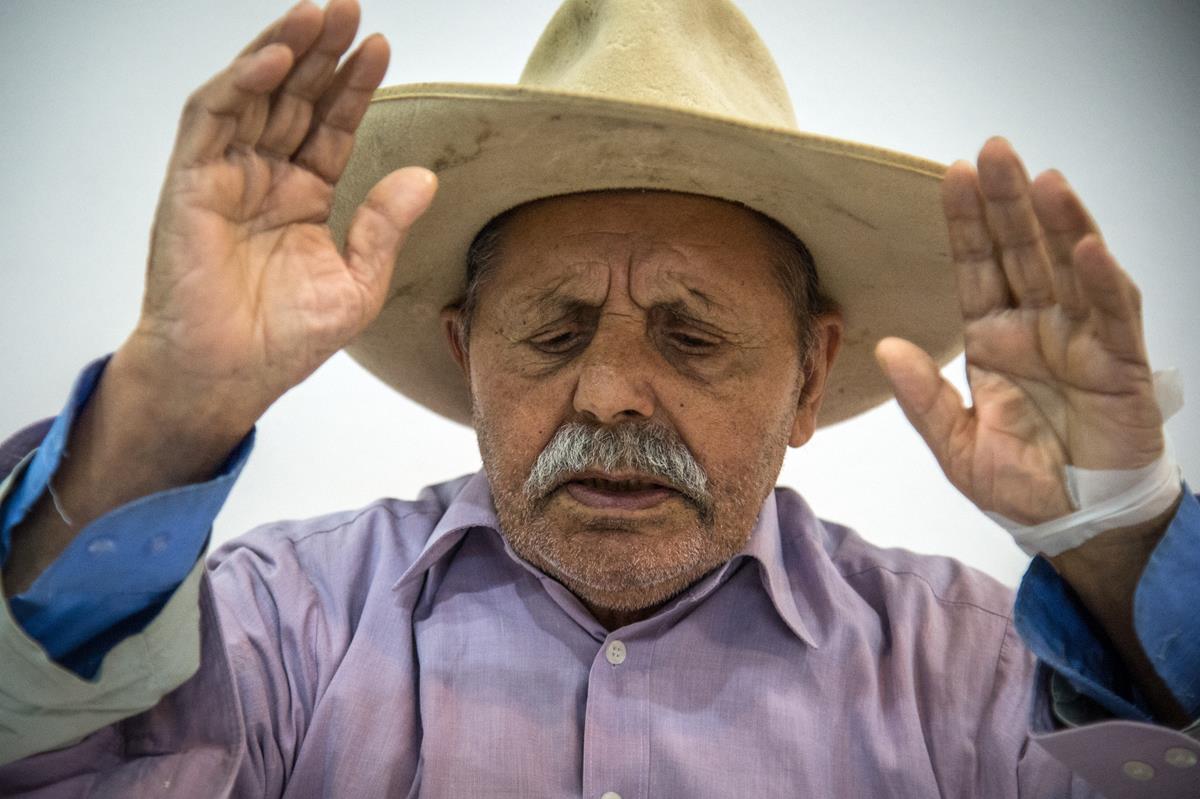
Name of the town: Roman (city)
Region, country: Neamț County, Moldova region (Romania)
Date of deportation: June – August 1942
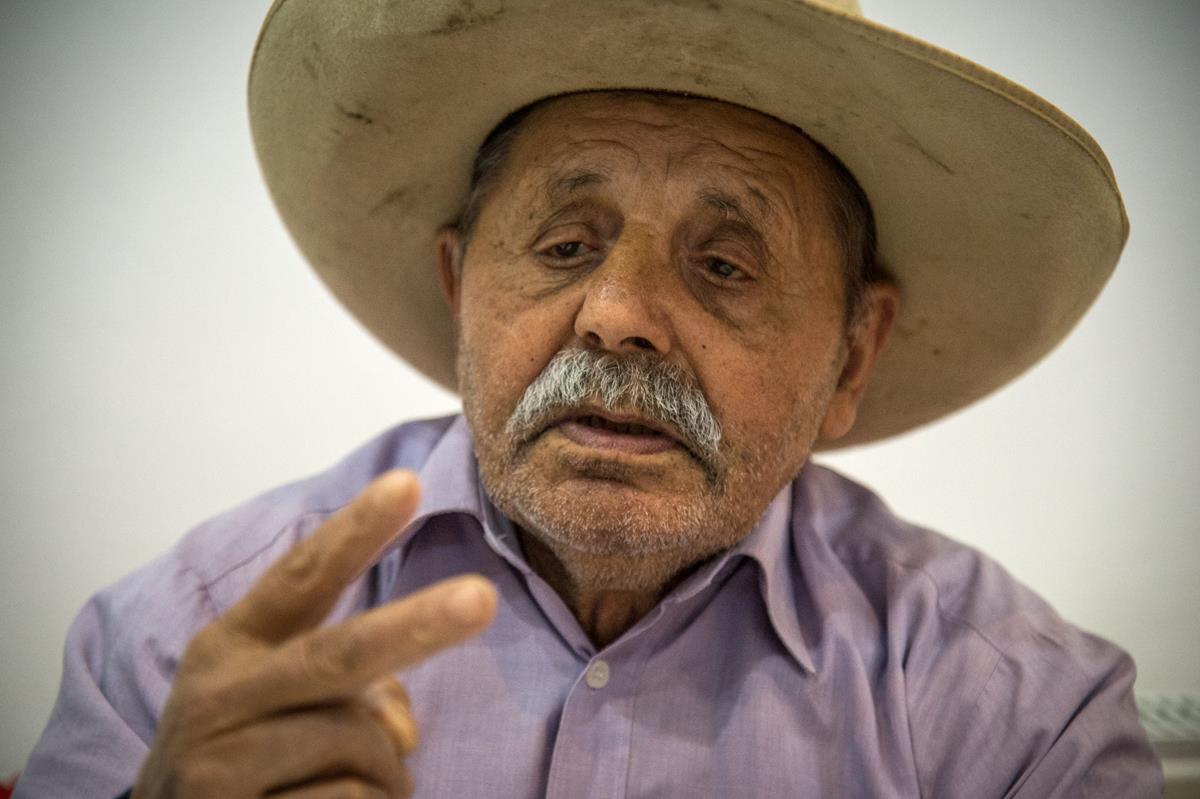
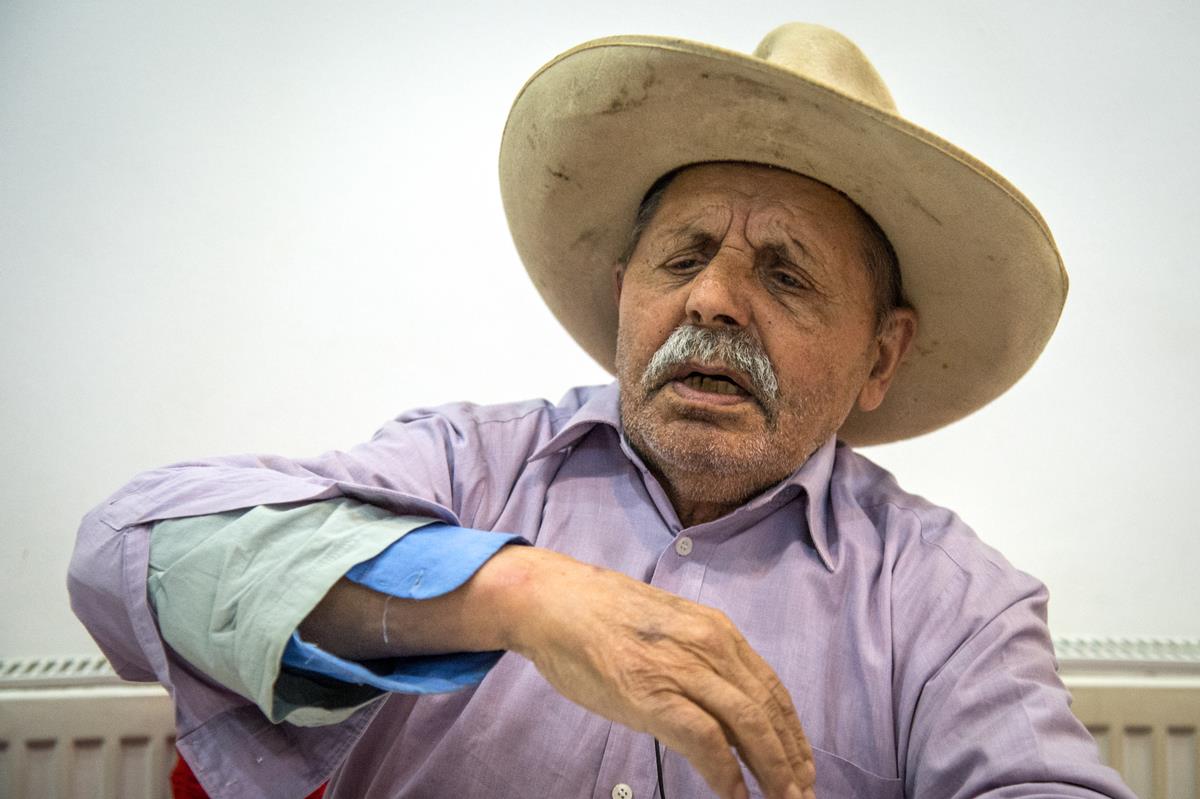
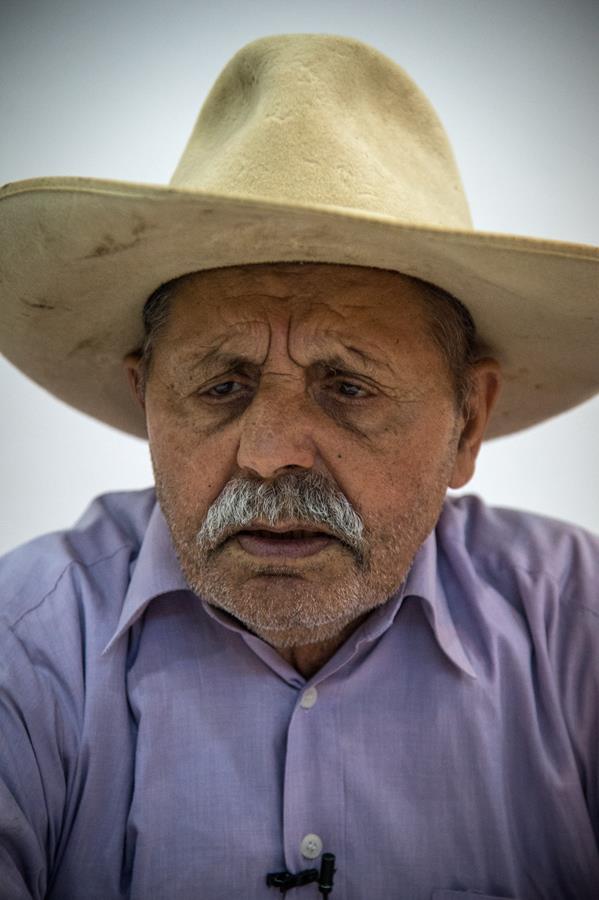
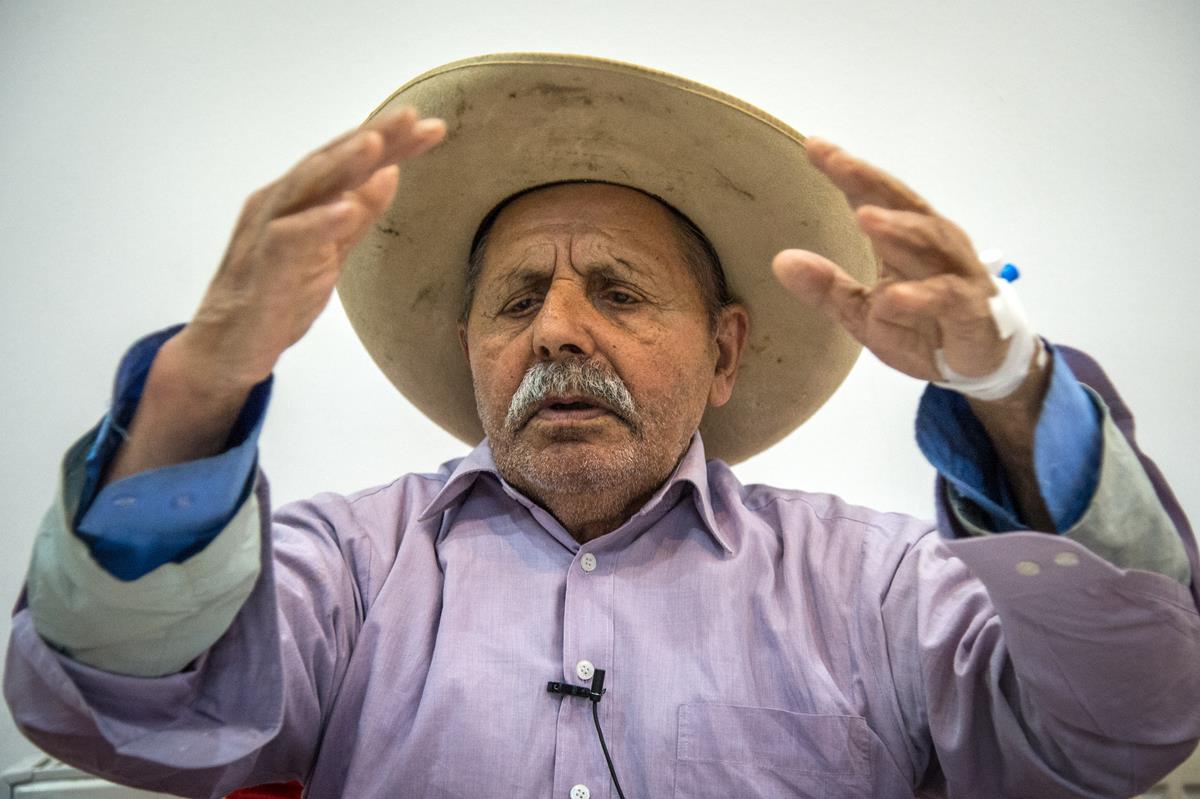
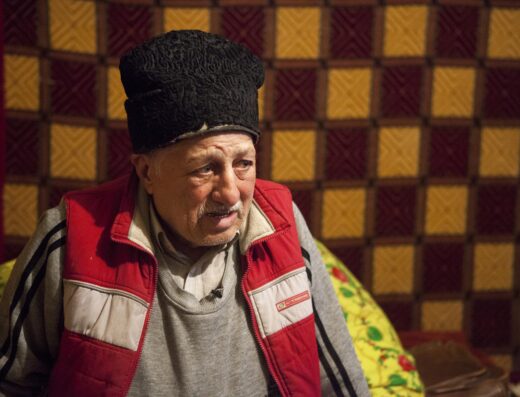
Excerpt from testimony:
“During that harsh winter, many Roma deportees died of cold, hunger, and disease [in Transnistria]. They were guarded by wardens. There were several Roma camps in that place. Later, they were taken, under the escort of Romanian and Ukrainian gendarmes, to a large forest near the city of Chișinău, where they remained until the following winter. They slept in tents; the Romanian [gendarmes] confiscated all their belongings […]”
Romanian archives (if they exist):
During the secret census of May 25, 1942, the Roman city police identified 10 nomadic Roma (1 encampment) within the city limits and proposed them for evacuation to Transnistria. The list is purely numerical, but it cannot be ruled out that the family of Mircea Copot was on it (Romanian national archives (ANI), General Directorate of the Police fonds (fond DGP), file no. 187/1942: f. 193).
Historical note on the Roma:
The city of Roman, situated at the confluence of the Moldova and Siret rivers, is part of Neamț County. In this old Moldavian market town, Saxon, Hungarian, Armenian, and Jewish colonists settled alongside the local population. Roma are documented there as early as the 15th century. According to documents dating from the 18th century, some 20 enslaved Roma lived in the market town of Roman, working as musicians and blacksmiths (Atanasiu 2016, 351). A census from 1832 identified 6,169 inhabitants in the town, including 195 boyar slaves (Jumară 1992, 165-166).
The Roma population grew considerably in the interwar years. The 1930 census recorded a total of 28,823 inhabitants in Roman, of whom 606 were Roma (RGP 1930, II.1: 368). In the 1930s, the first local Roma organizations appeared, affiliating themselves with the General Union of Roma in Romania (UGRR). According to the UGRR’s internal statistics, the Roman branch and its two sub-branches in the county had a total of 4,516 members (Potra 1939, 126).
The Roma of Roman were directly affected by the wartime deportation measures. The local police deported 49 Roma from the locality, of whom 10 were nomadic and 39 sedentary (ANI, fond D.G.P., file no. 186/1942: f. 252). These Roma were handed over to the local Gendarme Legion, which loaded them into a train car bound for Iași on September 14. Upon arrival in Iași, the car was attached to the special train E7 Iași–Tighina, which departed for Transnistria on September 16, 1942 (ANI, fond I.G.J., file no. 127/1942: f. 136).
Historical note on the deportation:
Mircea Copot belongs to a family of căldărari who traveled in a covered cart through the villages of the Moldova region to sell the metal tools and vessels they made. They were arrested by gendarmes in 1941 and taken to various localities (Piatra Neamț, Vișani, and Hârlău), where they were subjected to forced labor (agricultural work and the construction of a road). Probably in the summer of 1942, the family of Mircea Copot was evacuated in their own cart to Transnistria, probably following the Galați–Tighina route. Their belongings were confiscated by the gendarmes when they crossed the country’s border.
Once in Transnistria, the Copot family was relocated to the locality of Tridubi (Golta County) and forced to work on a kolkhoz. Adults and children alike were housed in stables and subjected to forced labor, receiving in exchange meager rations of about 200 grams of corn flour per day. The winter of 1942 was particularly harsh, and many Roma deportees, including the interviewee’s sister, perished from the cold, the lack of food, and typhus.
Later, the family of Mircea Copot was transferred to a forest near the city of Chișinău. The deportees slept in tents and (probably) worked cutting and collecting wood.
The repatriation took place in the spring–summer of 1944, with the withdrawal of the Romanian and German troops from Transnistria. Many Roma lost their lives on the way back. The survivors boarded a train and traveled as far as Tiraspol. They crossed the Dniester, and later the Prut, by boat and reached Romania.
Brief note on a Roma subgroup:
The interviewee belongs to the group of căldărari Roma (Roma specialized in metalworking).
Categories
Features
Regions
Video
Location
Related Testimonies

Added By Catalin Biban

Please sign in to see contact details.
 Română
  English