
 >
>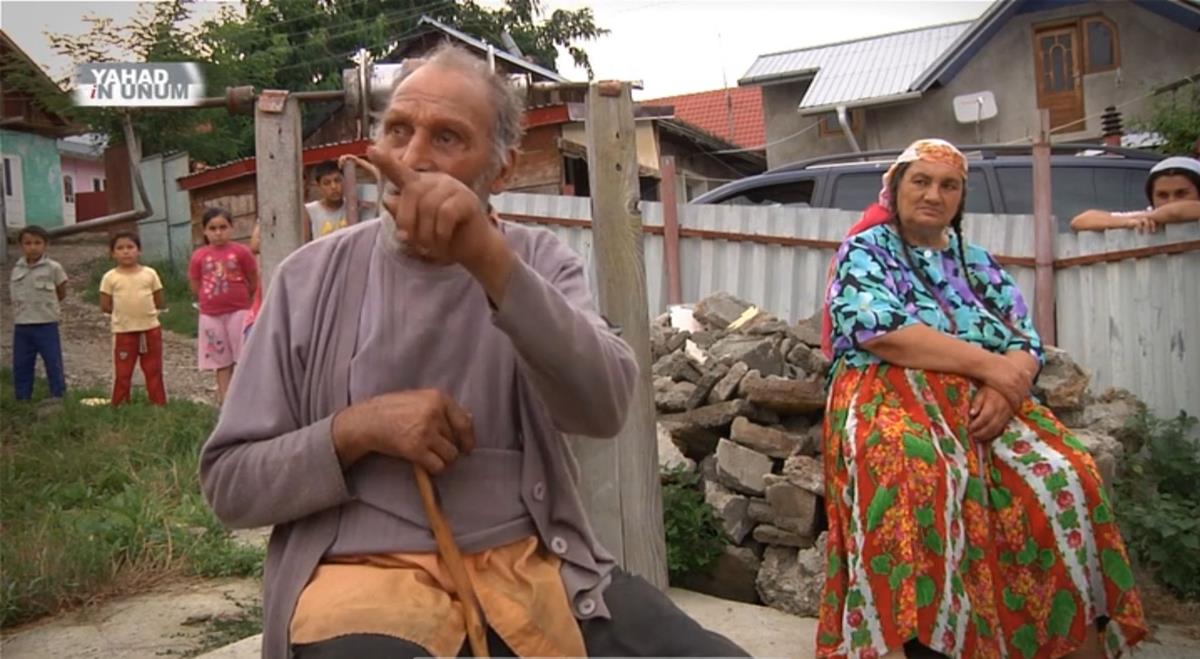
Name of the town: Văratec (village, commune of Agapia)
Region, country: Neamț County, Moldova region (Romania)
Date of deportation: 1943
Excerpt from testimony:
“At first, when they were relocated to that deserted field [in Transnistria], the deportees were allowed to keep their carts. After they were moved to a kolkhoz, their carts and animals were requisitioned. The Roma were forced to work on the kolkhoz. [To avoid] being moved elsewhere, under equally bad conditions, one Rom set fire to the kolkhoz. Finally, the Roma were moved to Tridubi, where they slept first in tents, later in dugouts, and, in wintertime, in huts built in the forest.”
Romanian archives (if they exist):
Unfortunately, no archival documents related to the Roma deported from Văratec have been identified.
Historical note on the Roma:
The village of Văratec is part of the commune of Agapia (formerly Filioara) and is located in Neamț County, approximately 35 km from Piatra Neamț. Around 1900, 3,196 inhabitants were recorded in the commune of Filioara (MDGR 1900, III: 350), and in 1930, 719 inhabitants (RGP 1930, II: 314-315), but no clear references to the Roma appear. Today, several families of căldărari Roma (Roma specialized in metalworking) live in the village of Văratec, possibly settled here during the communist period.
Historical note on the deportation:
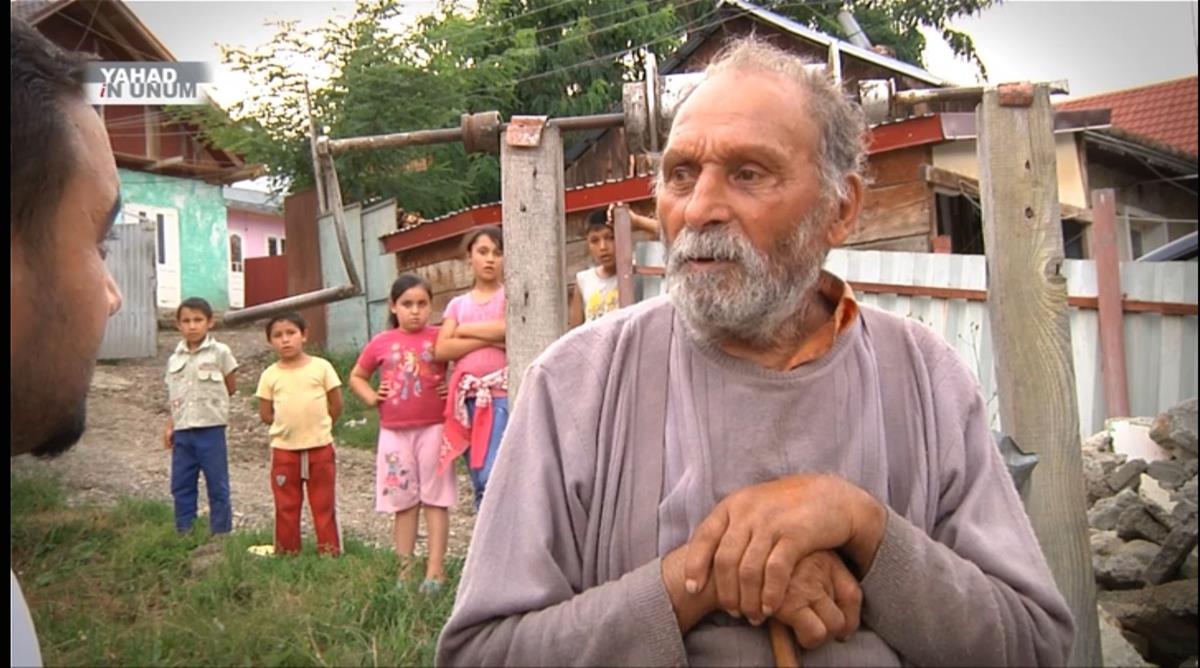
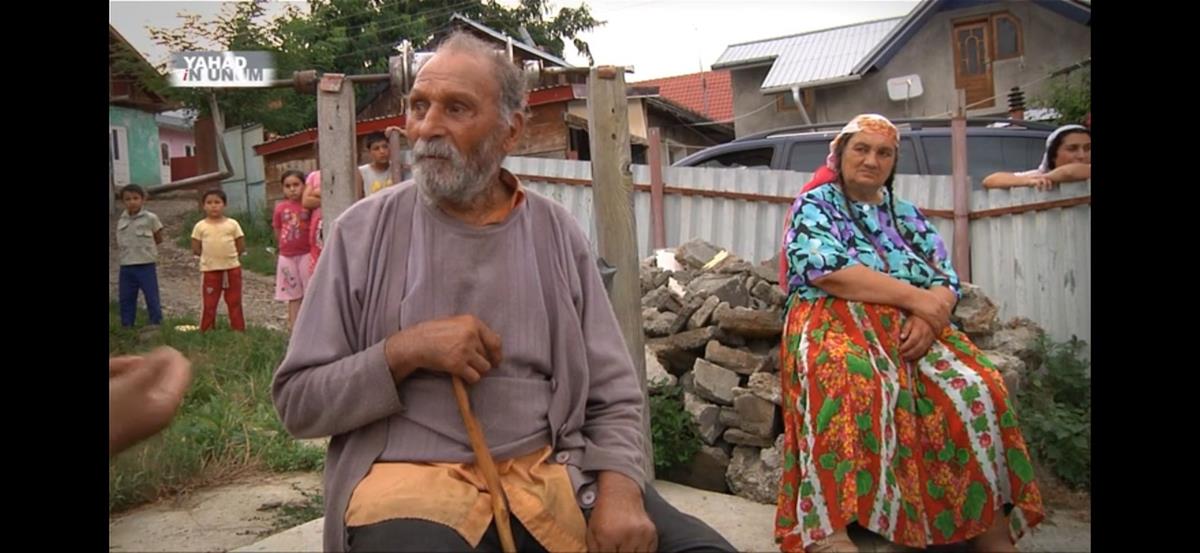
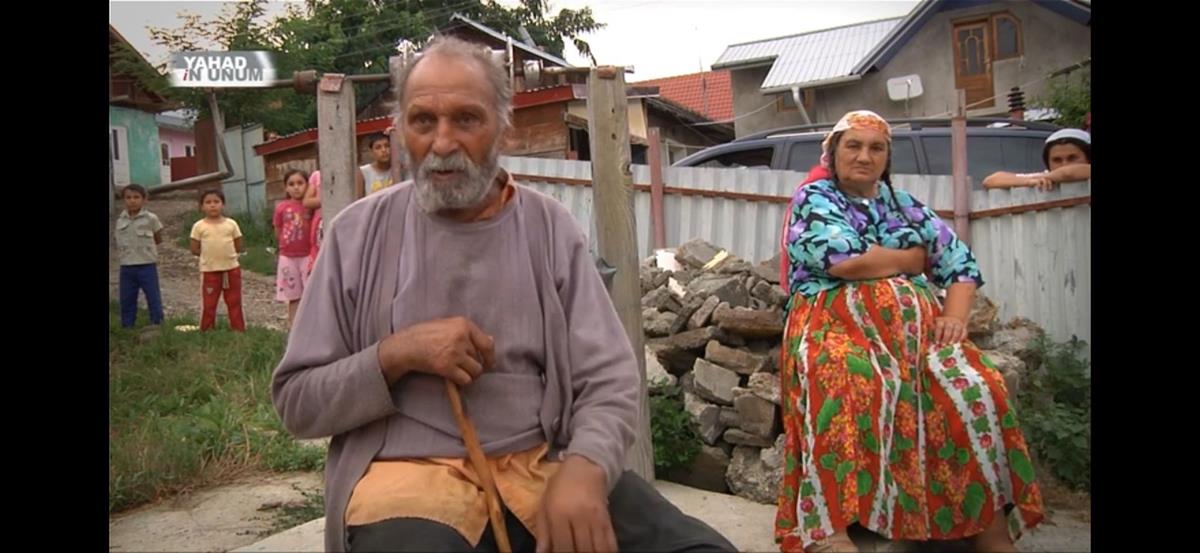
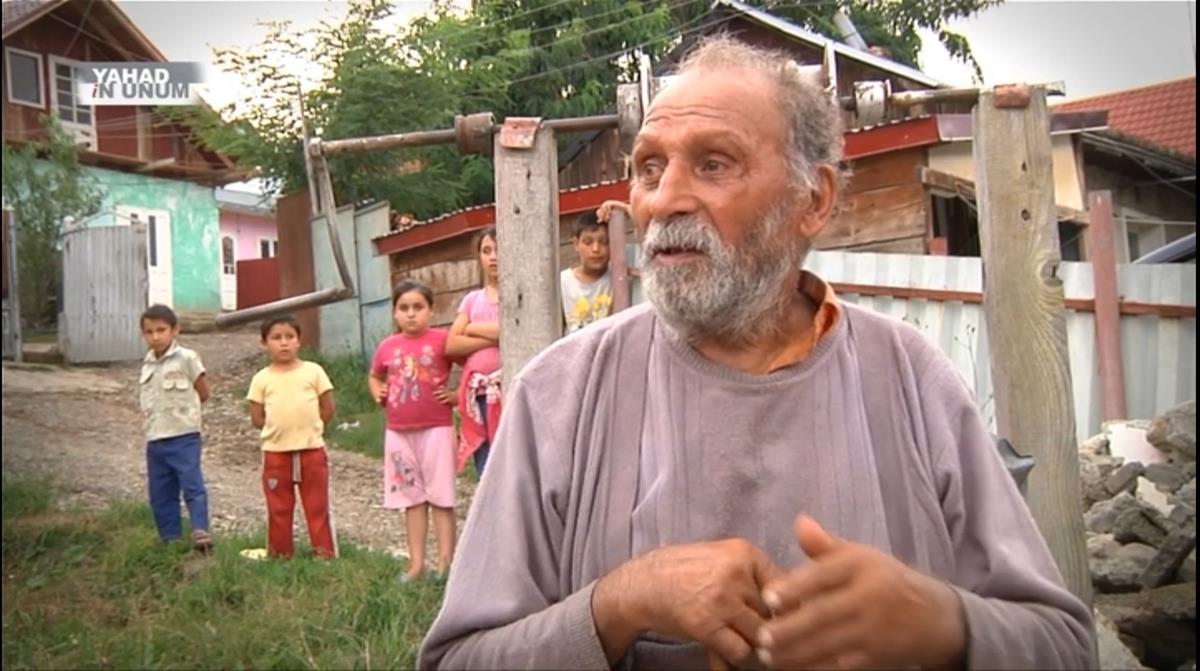
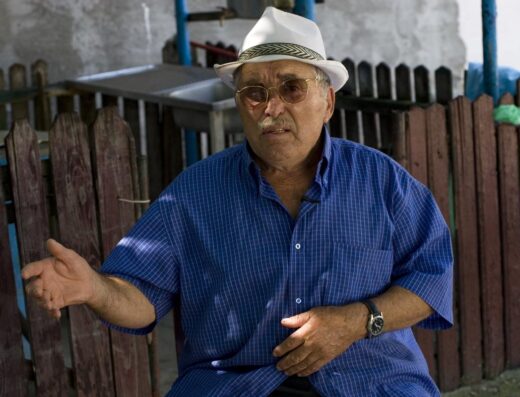
Ion Stanescu belongs to a family of căldărari who traveled through the villages of the Neamț region to sell their cauldrons and metal wares. The family appears to have been deported in the course of 1943 (or even later), given that they spent no more than six months in Transnistria. After being arrested by gendarmes, the interviewee’s family was forced to join a convoy of some 30 carts. Under gendarme escort, these nomadic families were led from post to post to the Transnistrian border.
Once in Transnistria, the Roma deportees set up camp in a field near a village. They were allowed to keep their carts and to settle in tents. Later, the deportees were relocated near a kolkhoz, and their carts and animals were requisitioned. The harsh living conditions claimed many victims (the interviewee lost his siblings in Transnistria); some deportees resorted to extreme acts, such as setting fire to the kolkhoz where they worked, to avoid yet another relocation.
In the end, the interviewee’s family was moved to the locality of Tridubi (Golta County). They lived first in tents, then in dugouts, and, in wintertime, in huts built in the forest.
The repatriation probably took place in the spring–summer of 1944. The interviewee’s family made the journey home either on foot or by cart.
Brief note on a Roma subgroup:
The interviewee belongs to a family of căldărari Roma (Roma specialized in metalworking).
Categories
Features
Regions
Video
Location
Related Testimonies
Added By Catalin Biban

Please sign in to see contact details.
 Română
  English