
 >
>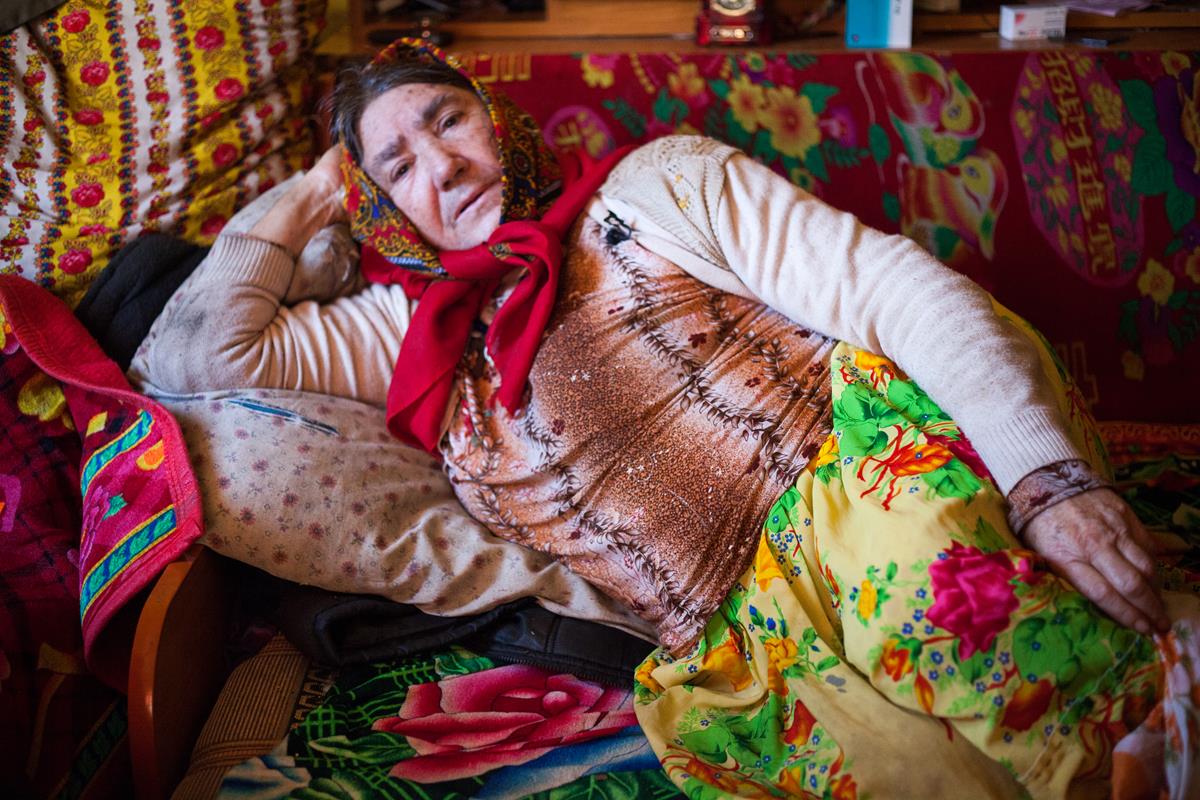
Name of the town: Grajduri (commune)
Region, country: Iași County, Moldova region (Romania)
Date of deportation: June – August 1942
Excerpt from testimony:
“The camp was located 2–3 kilometers from the village [in Transnistria]. After they arrived, their carts were confiscated and the Roma were moved into dugouts that had been prepared in advance. To cook, they had to go and look for wood in a forest about one kilometer away. [Instead of] firearms, [the guards]—a civilian surveillance unit—carried only truncheons.
The Roma did not work, because all their tools had been confiscated. They received no food rations. To obtain food, they had to go to the village. They drew their water from the Bug. Many died of hunger and thirst […]”
Romanian archives (if they exist):
Unfortunately, no archival documents related to the Roma deported from Grajduri have been identified.
Historical note on the Roma:
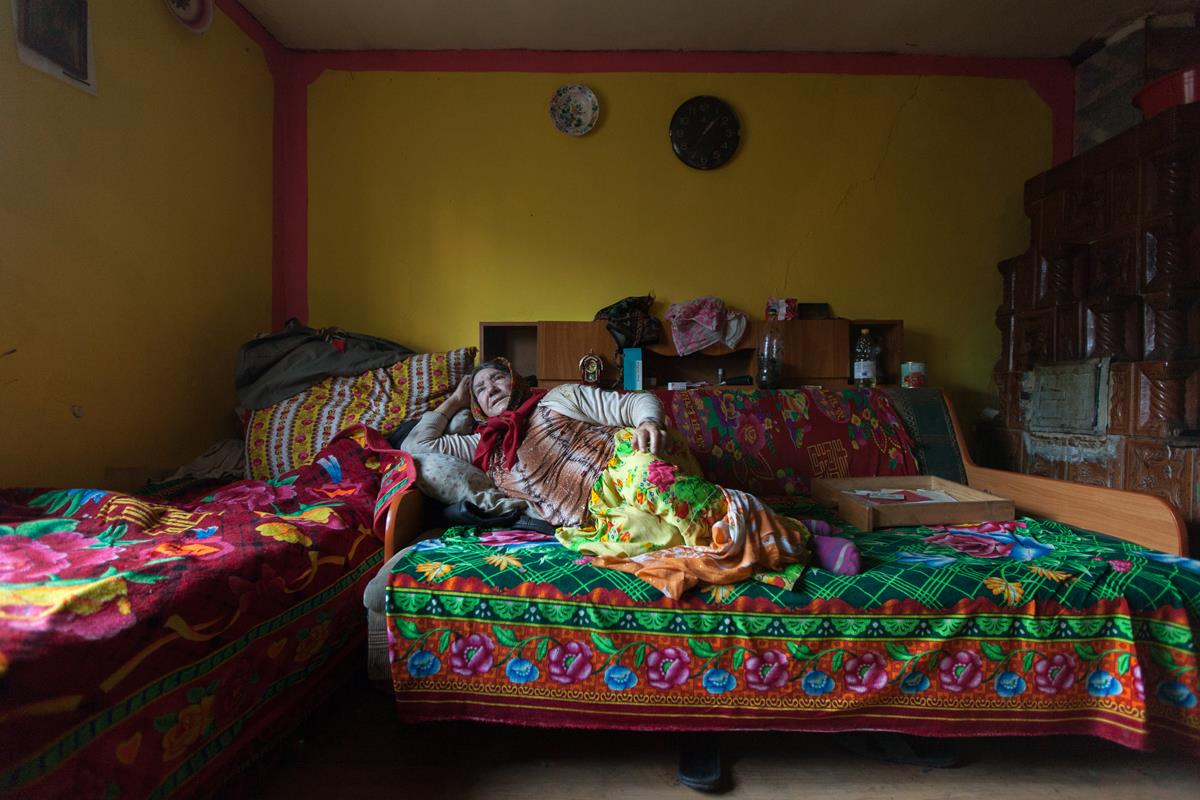
Grajduri (formerly Valea Satului) is a commune in Iași County, located approximately 25 km south of the county seat. The village of Grajduri is home to a significant community of căldărari Roma. Little information exists about the history of these communities. The village of Grajduri is documented as early as the 15th century, but the căldărari Roma appear to have settled there much later. Around 1900, the village had 410 inhabitants (MDGR 1902, V: 717). The general population census of 1930 recorded 863 inhabitants in the commune of Grajduri, then attached to Vaslui County, including 4 Roma (RGP 1930, II: 506-507).
Historical note on the deportation:
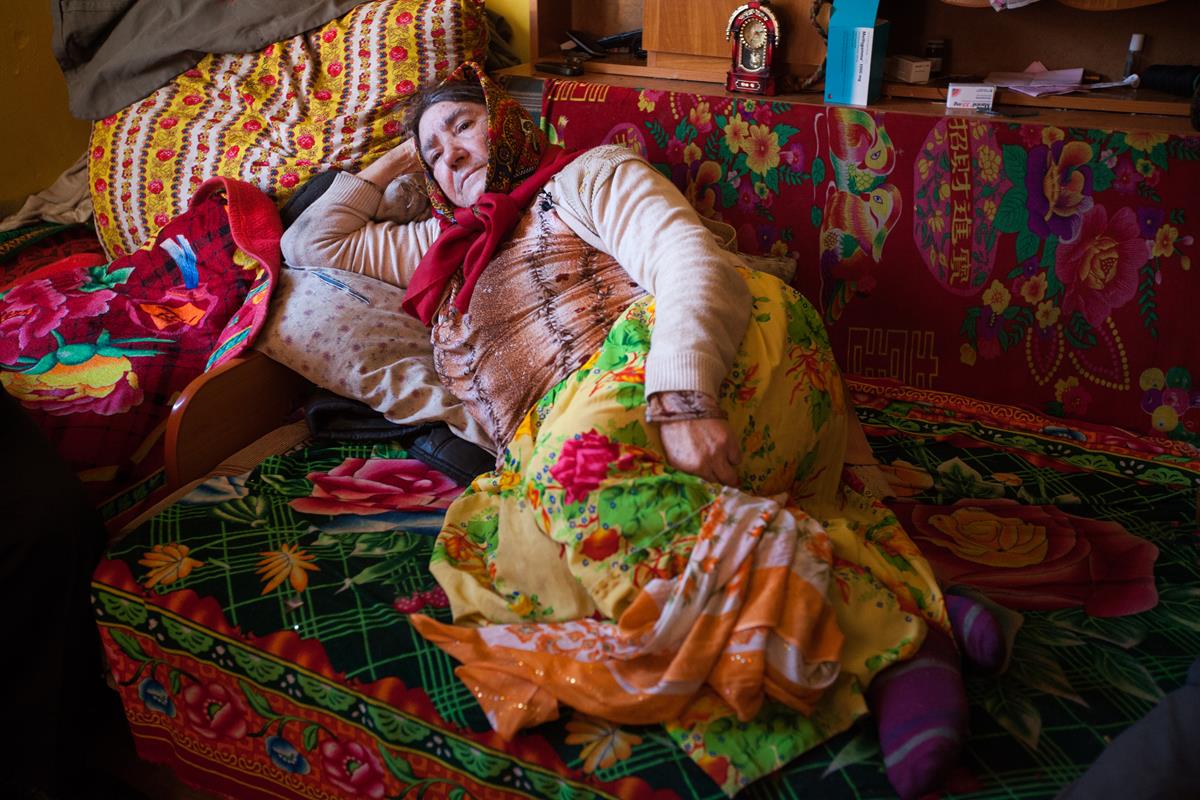
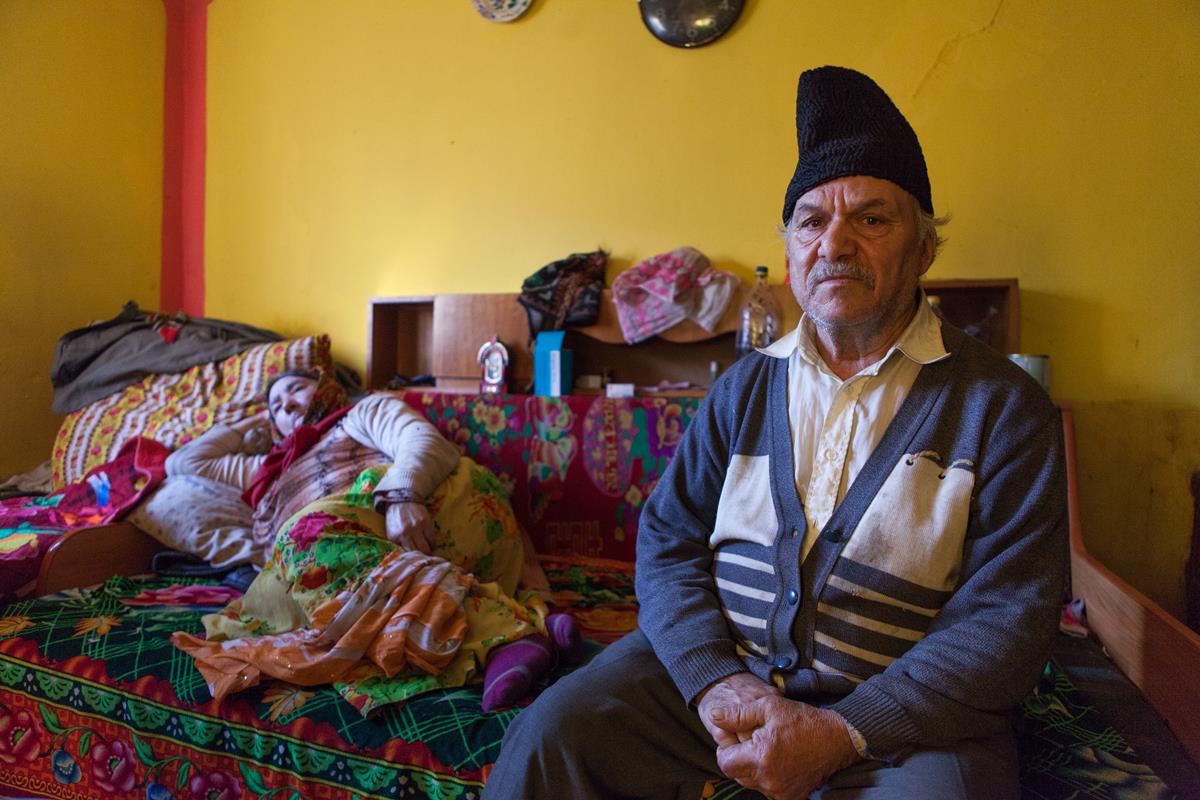
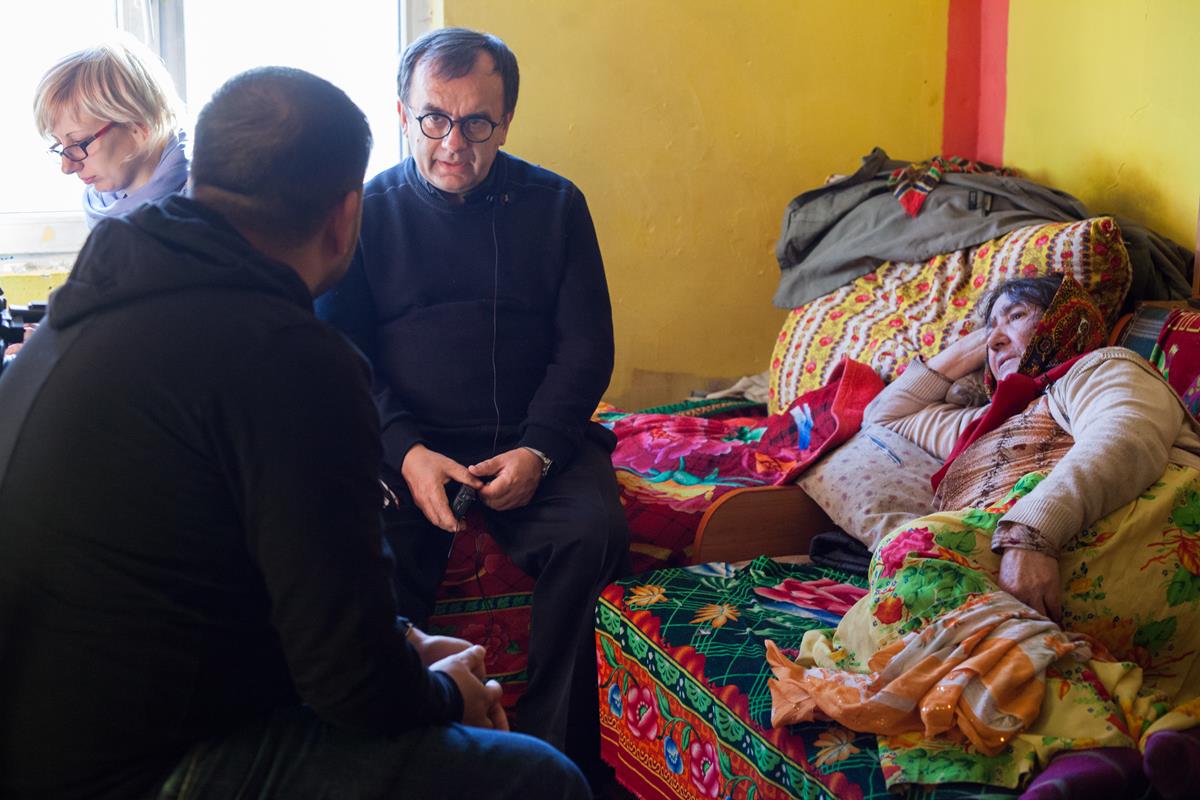
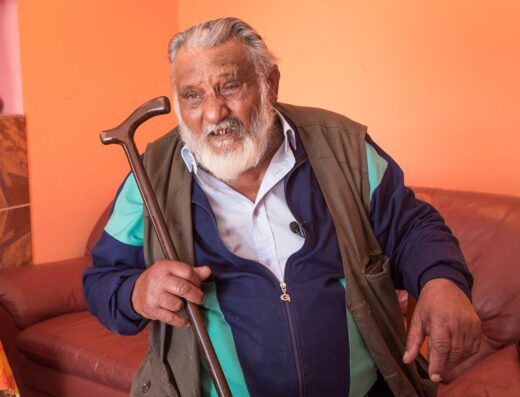
The interviewee belonged to a family of căldărari Roma. Together with his parents and four siblings, they traveled through the villages by cart, collecting metal and crafting objects and utensils, which they sold in villages or at fairs.
The family was arrested in the summer of 1942 and joined a convoy of carts, escorted by gendarmes from one locality to the next all the way to Transnistria. The convoy crossed the Prut River near the village of Albița (Vaslui County). The journey to Transnistria took nearly a month.
Once in Transnistria, the interviewee’s family was relocated to a camp (unnamed) located near the Bug River. Their belongings (cart, animals, and tools) were confiscated, and the deportees were forced to live in dugouts. Initially, the gendarmes guarding them provided no food rations, so the deportees had to go to the neighboring village to find food. They drew their water directly from the Bug. Because of the harsh conditions, many deportees died of hunger and thirst. Fortunately, no one in the interviewee’s family lost their life in Transnistria.
The repatriation to Romania took place in March–April 1944. As the Romanian and German troops were retreating from the province, the Romanian gendarmes and Ukrainian troops told the deportees that they were free and allowed to return to Romania. Many made the journey back on foot and crossed the Prut by boat. Many perished from deprivation and exhaustion, and their bodies were left unburied along the way.
Brief note on a Roma subgroup:
Căldărari Roma (Roma specialized in metalworking).
Categories
Features
Regions
Video
Location
Related Testimonies
Added By Catalin Biban

Please sign in to see contact details.
 Română
  English