
 >
>
Name of the town: Cârța (village, commune of Cârța)
Region, country: Sibiu County, Transylvania region (Romania)
Date of deportation: June – August 1942
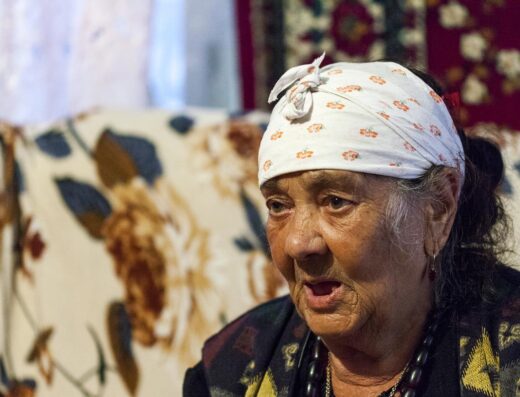
Excerpt from testimony:
“The group arrived at the Bug in the autumn, after nearly three months on the road. Upon arrival, all their valuables—including two carts, the horses, gold, garments, and money—were confiscated by two Romanian gendarmes and two Germans. The Roma were placed in a field near the banks of the Bug, together with other groups of căldărari and lingurari. The camp was bounded by the course of the Bug on three sides, and the fourth side was guarded, so that no one could leave the camp […]. The camp was located near Golta County, close to the villages of Katerinka and Krimka. Once again, the importance of money became clear: those who had nothing left perished from hunger. Their bodies were transported by the Russians and the gendarmes in carts and buried at a site nearby.”
Romanian archives (if they exist):
Unfortunately, no archival documents related to the Roma deported from Cârța have been identified.
Historical note on the Roma:
The village of Cârța (in German, Kerz; in Hungarian, Kerc), part of the commune of the same name, is located on the banks of the Olt River, in Sibiu County, approximately 35 km from the town of Făgăraș. Since the Middle Ages, the village was inhabited by Saxons and Romanians, alongside whom a few Roma families also settled. The 1850 census of Transylvania identified 956 inhabitants in the village, of whom 359 were Romanians, 526 Saxons, and 80 Roma (SCT 1996, 304-305). Nearly 80 years later, the general census of 1930 recorded 959 inhabitants in the commune of Cârța (which then belonged to Făgăraș County), but the proportions of the ethnic groups had shifted: 502 Romanians, 446 Saxons, and not a single Rom (RGP 1930, II.1: 192-193).
Historical note on the deportation:
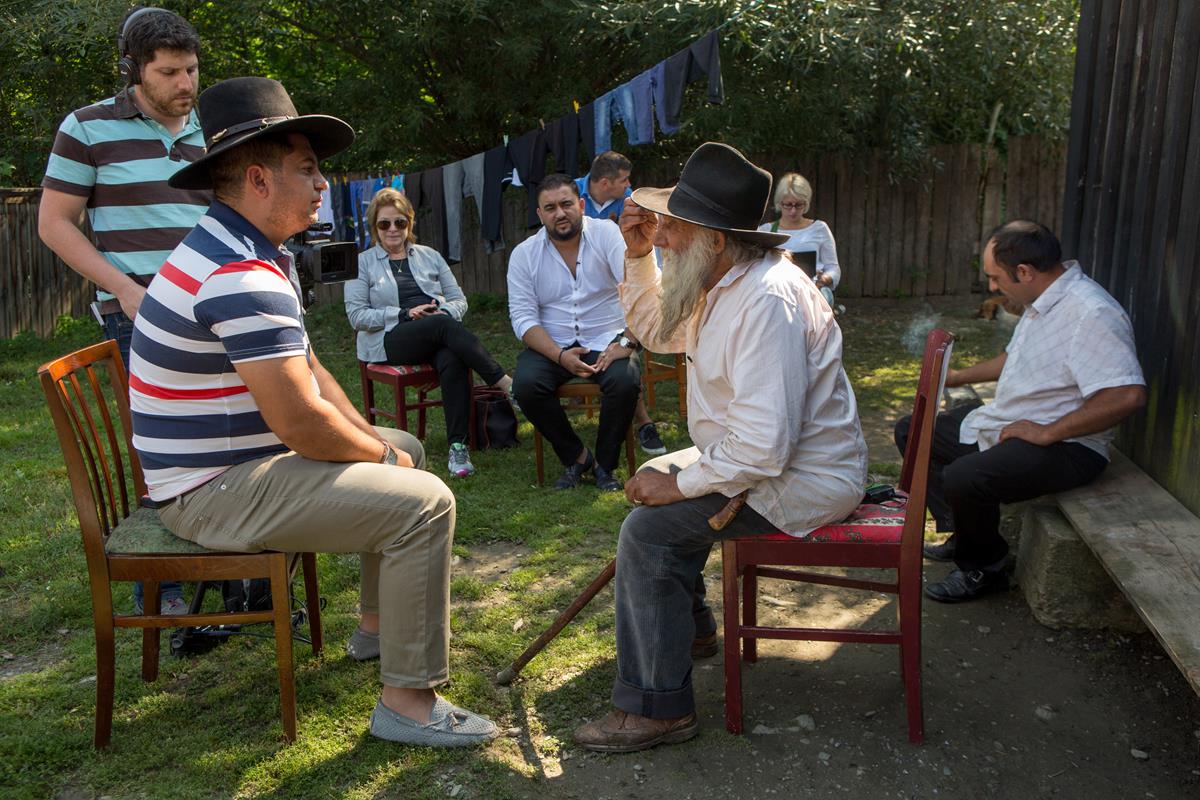
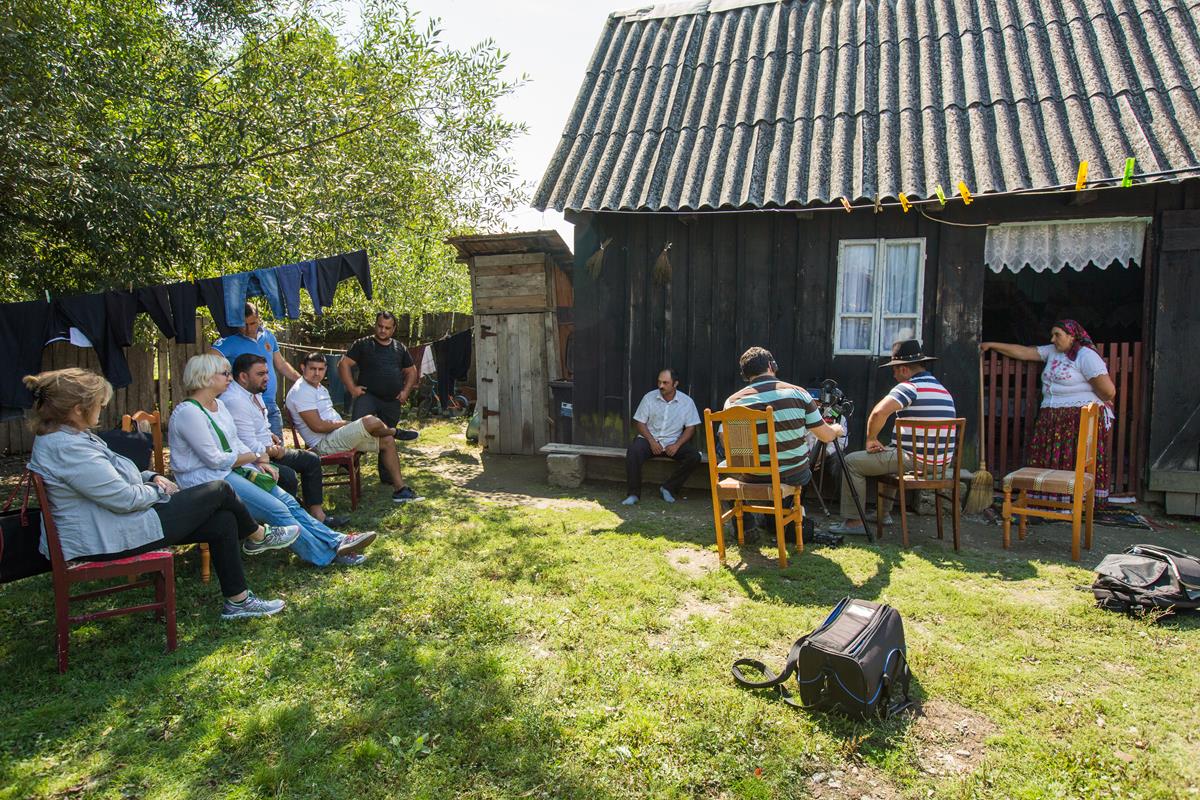
The family of Nicolae Căldăraru made and sold copper cauldrons in the villages of southern Transylvania. The entire family moved seasonally from village to village to sell their products, settling temporarily on the outskirts of a locality with the permission of the local authorities (the town hall stamped their encampment booklet, carnet de sălaș). Their life was abruptly turned upside down in the summer of 1942, when the family was arrested by four local gendarmes, accompanied by four Germans, and escorted to Brașov. On the way, other carts carrying Roma deportees joined them; the convoy thus formed was escorted by gendarmes from village to village to the country’s eastern border (the Dniester).
After three months on the road, the Căldăraru family arrived in Transnistria. Upon arrival, almost all their belongings were confiscated by the gendarmes, who left them only their tents for shelter. The group of Roma deportees was placed in a camp near the banks of the Bug, close to the villages of Katerinka and Krimka. The detention regime was severe: the Roma were closely watched by gendarmes, could not move outside the camp without authorization, and had to procure their own food (they bartered with the locals). The winter of 1942 was particularly harsh, and many Roma died of cold and lack of food. Some were shot by the guards while trying to leave the camp clandestinely to search for food in the neighboring villages.
With the arrival of spring, the deportees were moved into the stables of a kolkhoz and subjected to forced labor. They worked from morning until evening, including the children, receiving small food rations in exchange. The guards and the German troops committed abuses (corporal punishment and the rape of Roma women). With the arrival of winter, the deportees moved into dugouts they had dug themselves, located about 100 m from the stables. The toll of the deportation was particularly tragic for Nicolae Căldăraru, who lost both grandparents in Transnistria. Their bodies were buried in a mass grave by the German troops.
The repatriation took place in the spring–summer of 1944, with the withdrawal of the Romanian and German troops from Transnistria in the face of the Red Army offensive. The Roma survivors made their way to a nearby railway station, where they received assistance from the Red Cross. They boarded a freight train bound for Iași, and from there set out for their native village.
Brief note on a Roma subgroup:
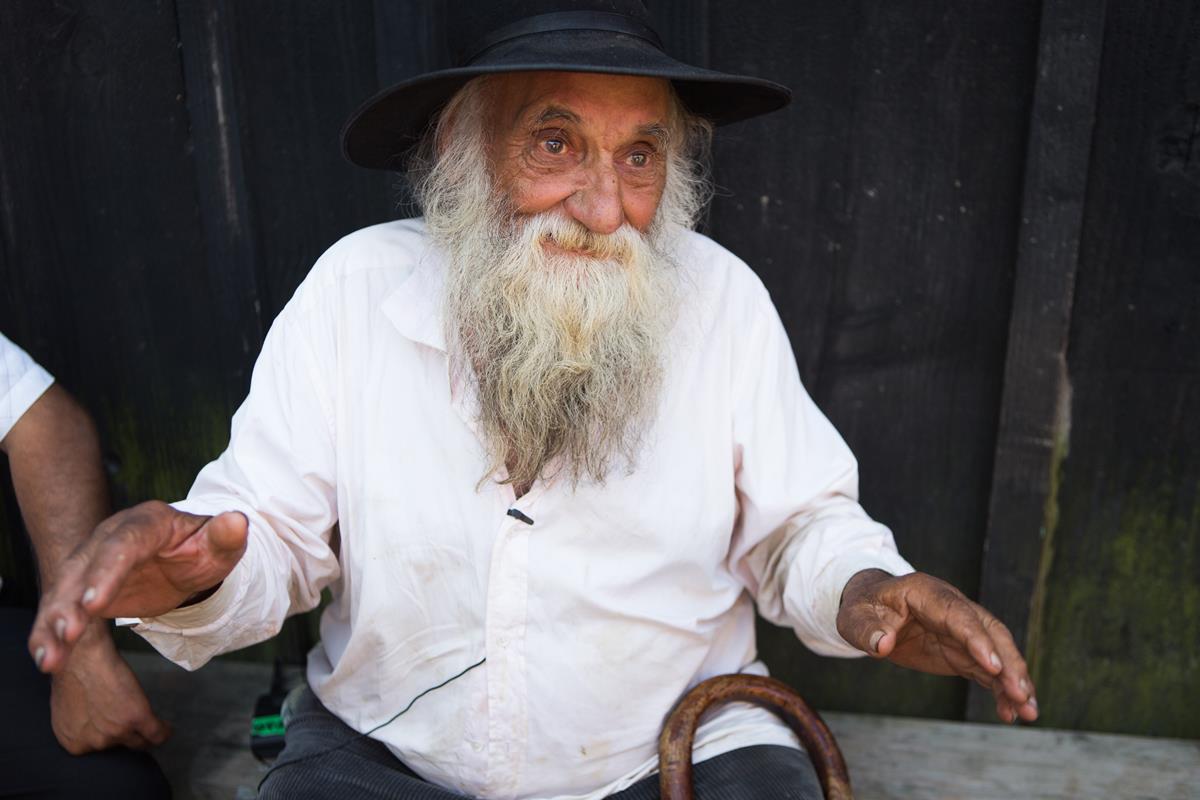
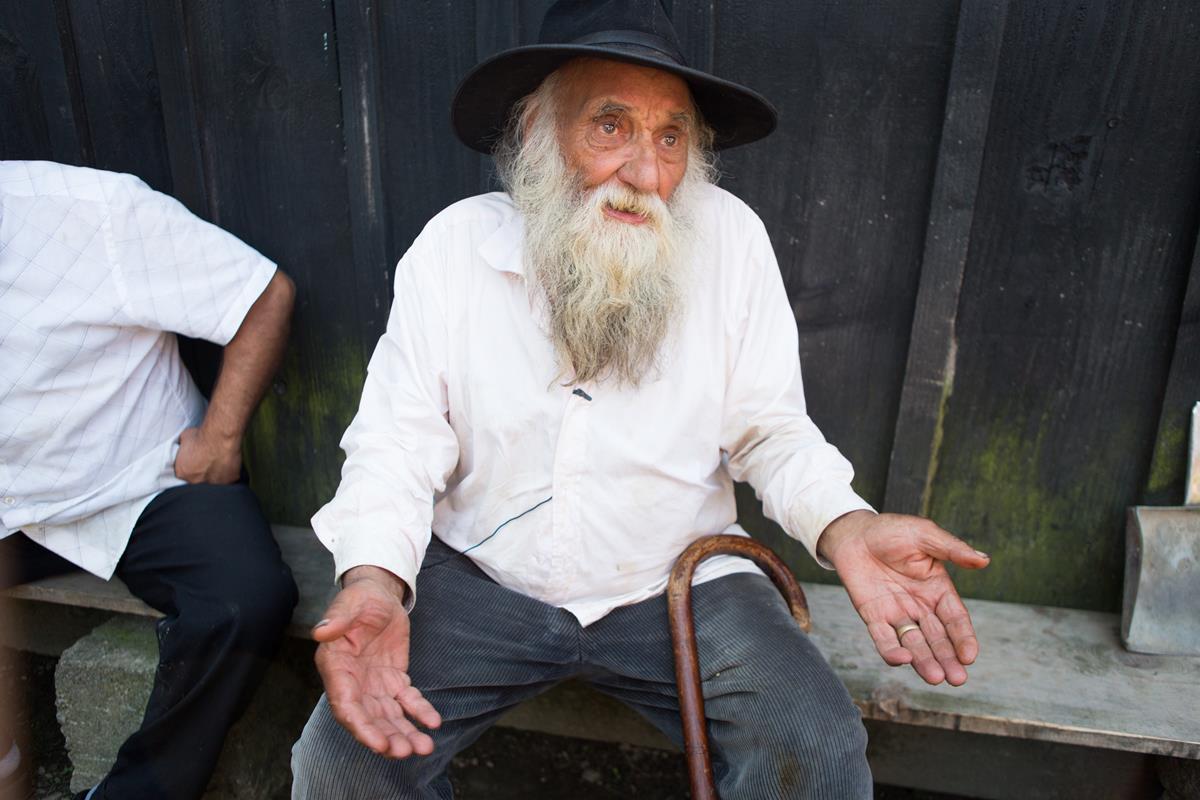
Nicolae Căldăraru belongs to the group of căldărari Roma (Roma specialized in metalworking).
Categories
Features
Regions
Video
Location
Related Testimonies
Added By Catalin Biban

Please sign in to see contact details.
 Română
  English