
 >
>
Name of the town: Ivești (commune)
Region, country: Galați County, Moldova region (Romania)
Date of deportation: June – August 1942
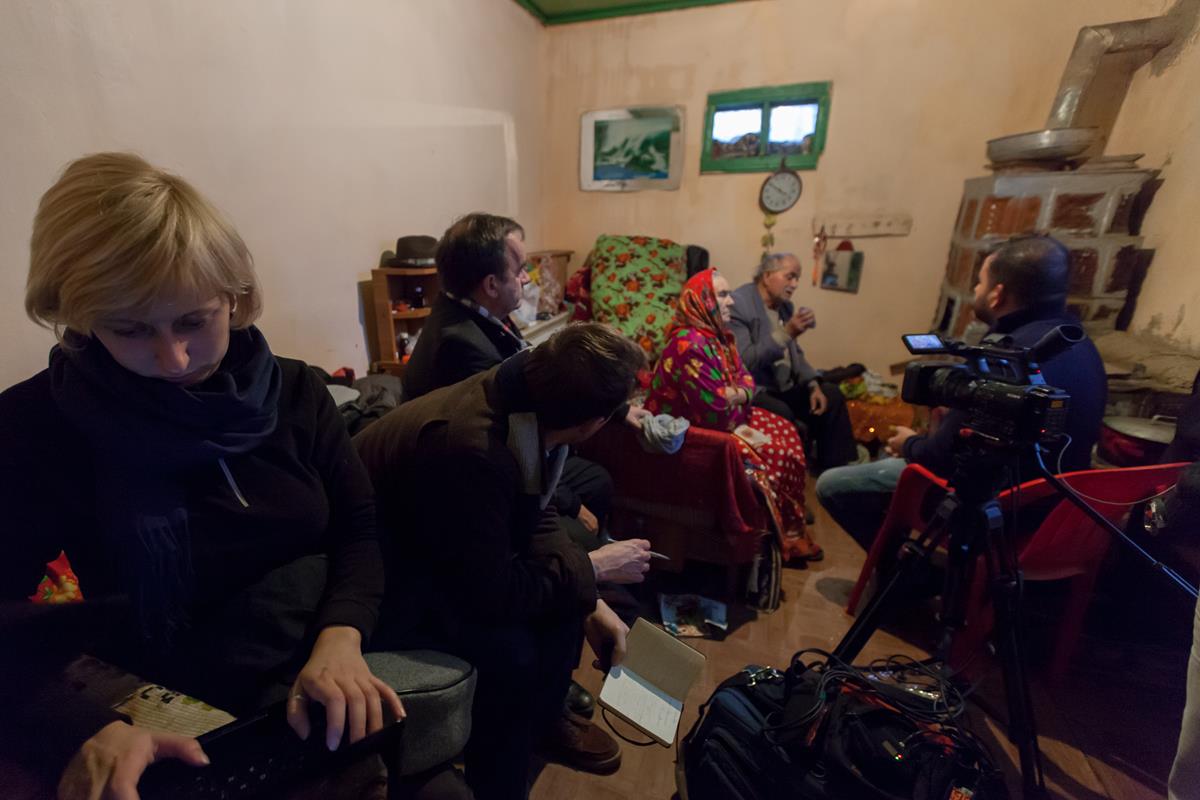
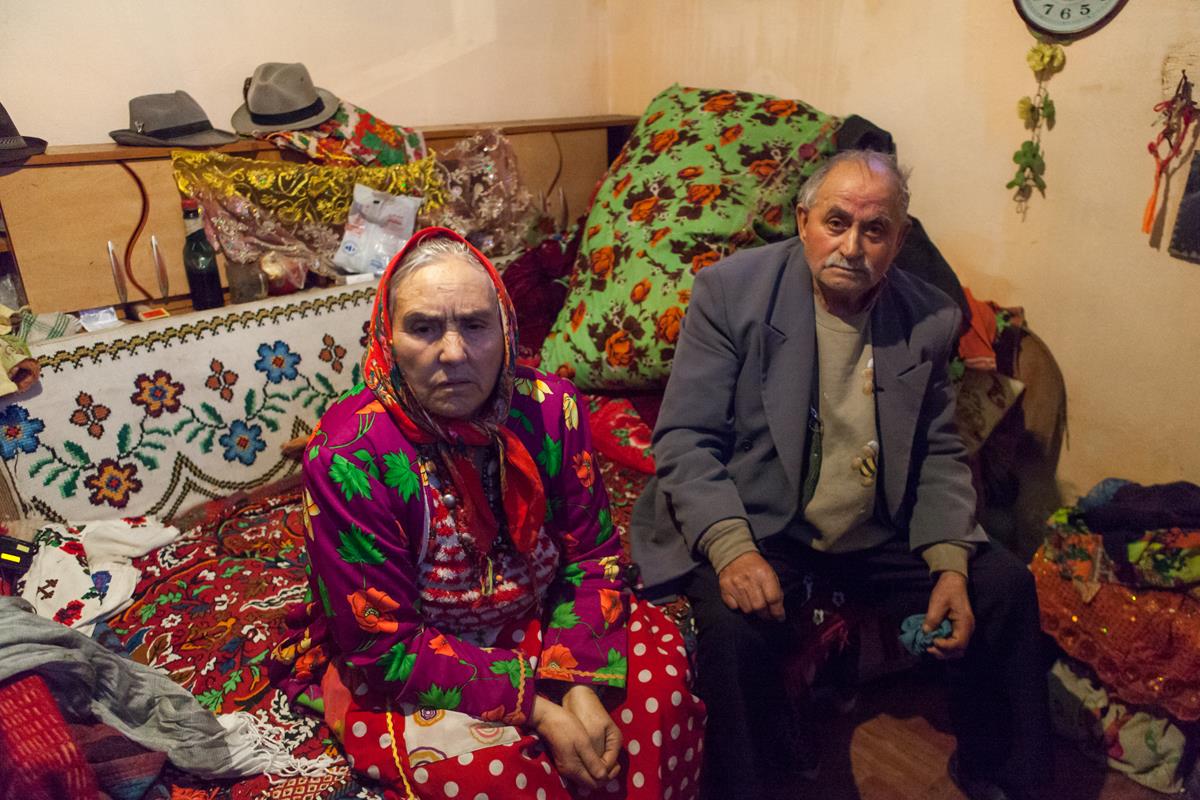
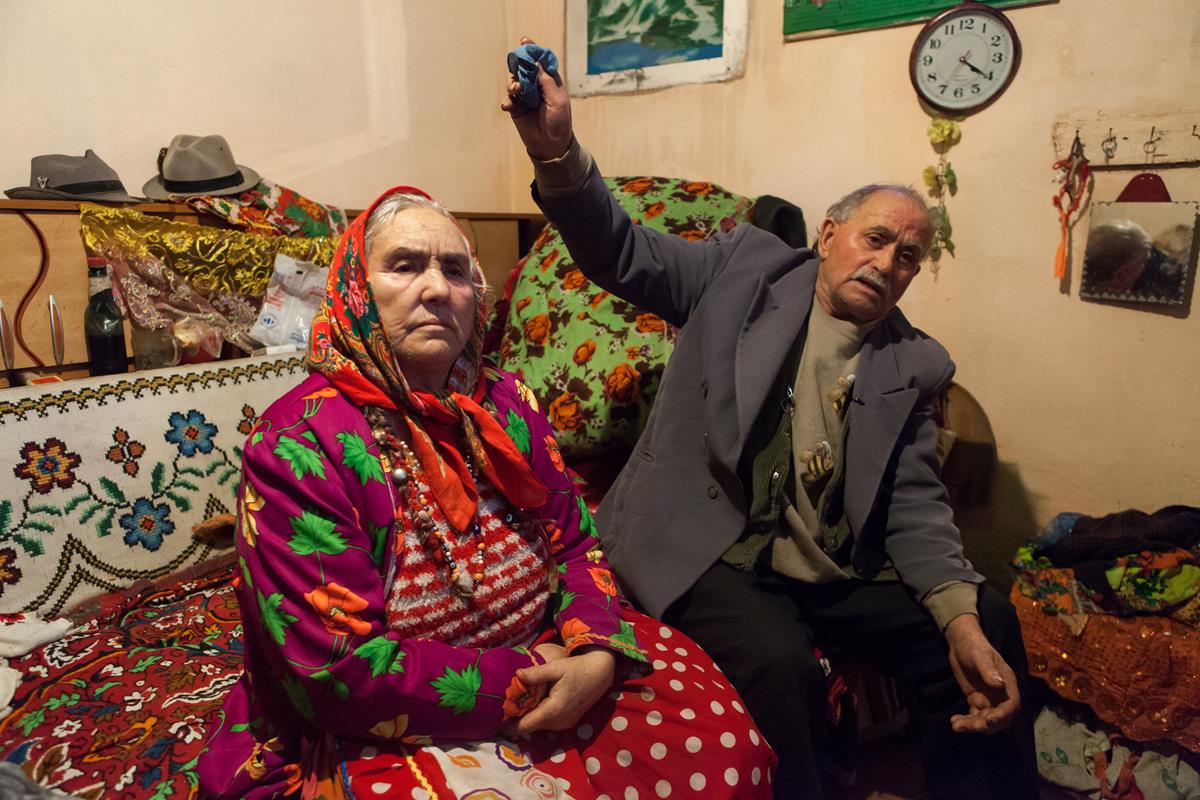
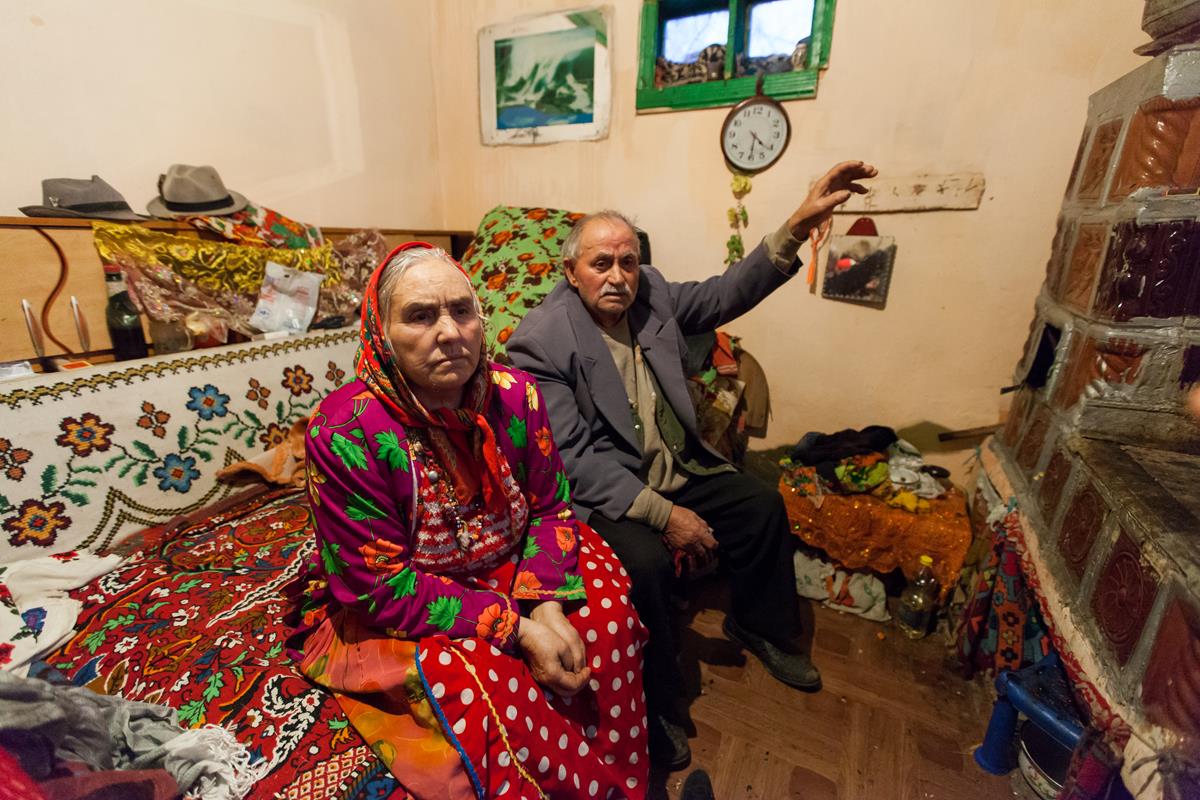
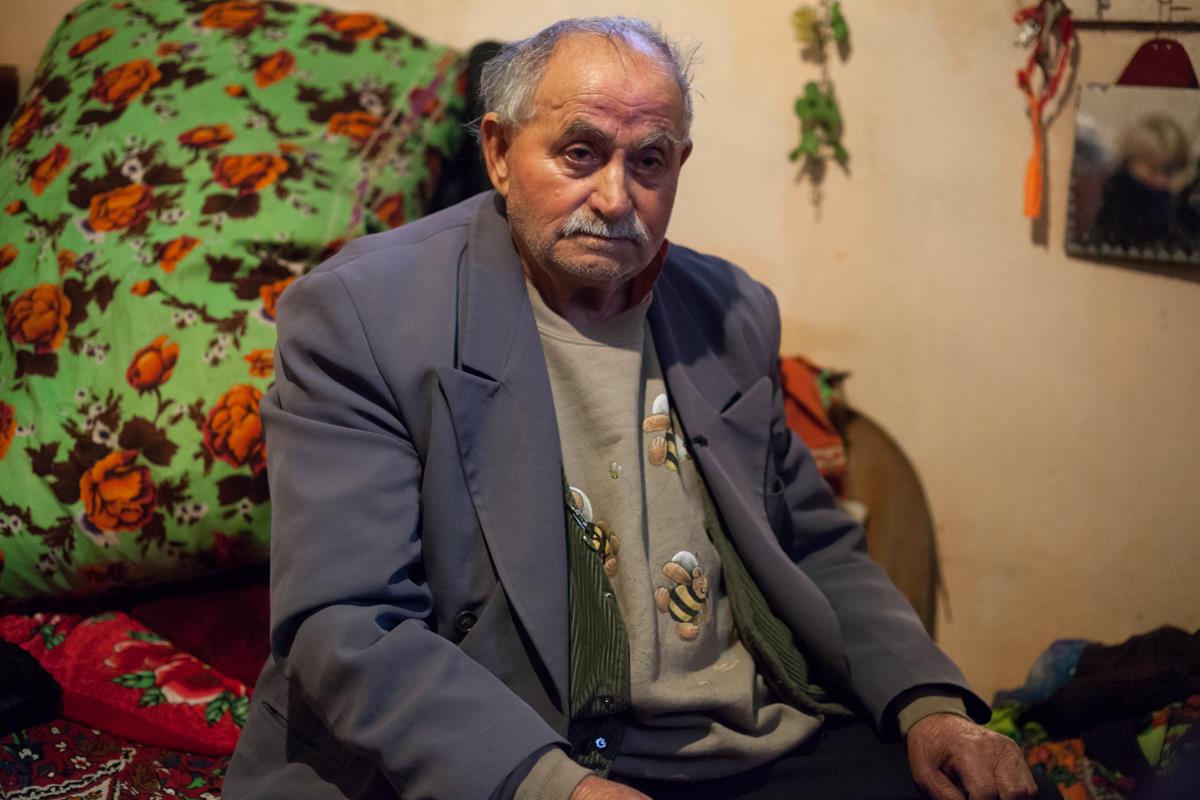
Excerpt from testimony:
“[…] Once they arrived in Transnistria, all their belongings were confiscated (carts, luggage, donkeys). There were no sedentary Roma in their camp. The camp was located 15 km from the town hall of Tridubi.
Leaving the camp was forbidden (only the bulibașă [traditional leader] was allowed to), but some [deportees] went out secretly in search of food. […] Many [deportees] died. Their bodies were buried in a vacant plot behind the dugouts. A group of căldărari from Oltenia were relocated to a house. All of them died.”
Romanian archives (if they exist):
Unfortunately, no archival documents related to the Roma deported from Ivești have been identified.
Historical note on the Roma:
The village of Ivești, in the commune of the same name, is located in Galați County, in a wine-growing area close to several trade routes. Documented as early as the 15th century, the village was re-established as a market town in 1856. The new market town quickly attracted Jewish, Turkish, Armenian, and Greek traders and craftsmen, as well as a significant number of Roma, who settled in the neighborhood near the Stadium. Around 1900, Ivești had 1,498 inhabitants, of whom 670 were Jews and members of other nationalities (MDGR 1901, IV: 75). The 1930 census recorded 2,421 inhabitants in the commune of Ivești, including 424 Jews and 100 sedentary Roma (RGP 1930, II: 450-451). Groups of căldărari Roma periodically made camp near the market town, probably drawn by its favorable commercial position (its proximity to the Galați–Tecuci railway and the national road) and by the local fairs, where they could sell their products.
Historical note on the deportation:
The interviewee belonged to a family of căldărari who worked in metalworking and traveled by cart drawn by donkeys from village to village to sell the objects and utensils they made. In the summer of 1942 the family was arrested by gendarmes, who promised the Roma that they would receive a house and land in Transnistria. The gendarmes included them in a convoy of carts made up of căldărari and silversmith Roma, and escorted them from post to post to the eastern border, crossing the Prut near the locality of Oancea.
After several weeks, the Roma deportees arrived in Transnistria. All their belongings (carts, luggage, and animals) were confiscated, and the deportees were relocated near the locality of Tridubi (Golta County) and forced to live in huts dug one meter into the ground. They were subjected to a regime of forced labor, working on a kolkhoz in exchange for meager food rations. Leaving the camp was forbidden; nevertheless, some deportees went to the neighboring localities in search of food or to barter with the local Ukrainians. Hunger, typhus, and the cold claimed numerous victims among the deportees. The dead were buried in a vacant plot behind the dugouts.
Despite the harsh living conditions, there were also cases in which the Roma and Jewish deportees helped one another. A number of Jews were held in a camp surrounded by barbed wire, located 50 meters from the Roma camp. Ghiocel Stănescu recounts how a woman slipped out of the Jewish camp and came to the dugouts where the Roma lived to ask for food; after receiving bread, the woman returned to her camp.
The interviewee’s family remained in Transnistria for nearly two years and seven months, leaving the camp probably in the summer of 1944. The road to Romania was long and full of dangers, and many Roma lost their lives. The route followed was probably Tiraspol–Oancea–Galați.
Brief note on a Roma subgroup:
Roma căldărari (Roma specialized in metalworking).
Categories
Features
Regions
Video
Location
Related Testimonies

Added By Catalin Biban

Please sign in to see contact details.
 Română
  English