

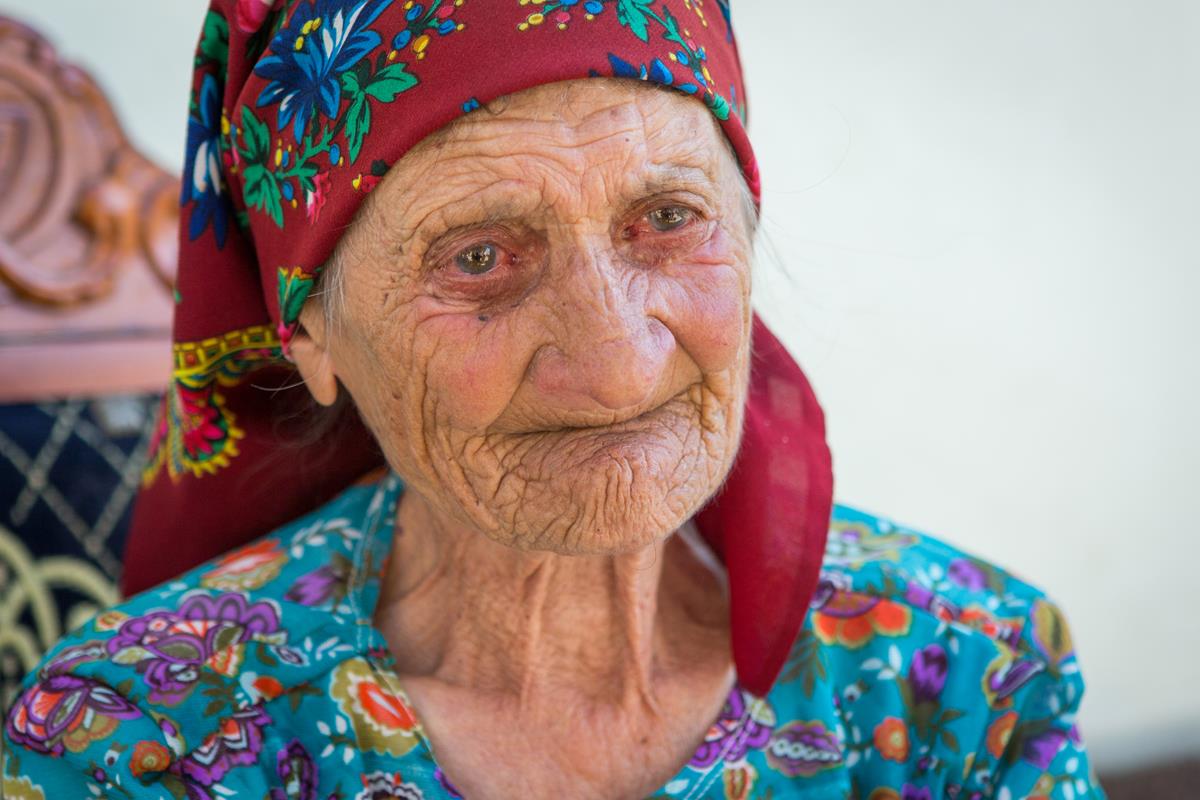
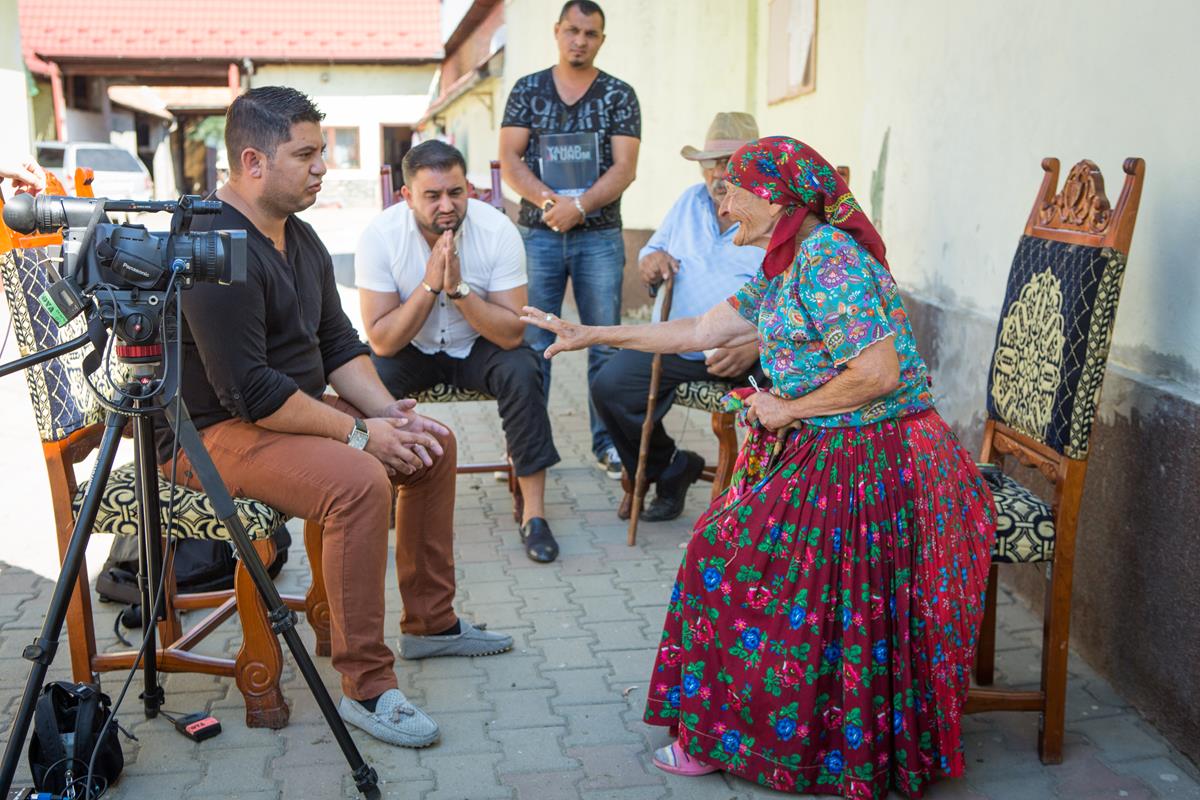
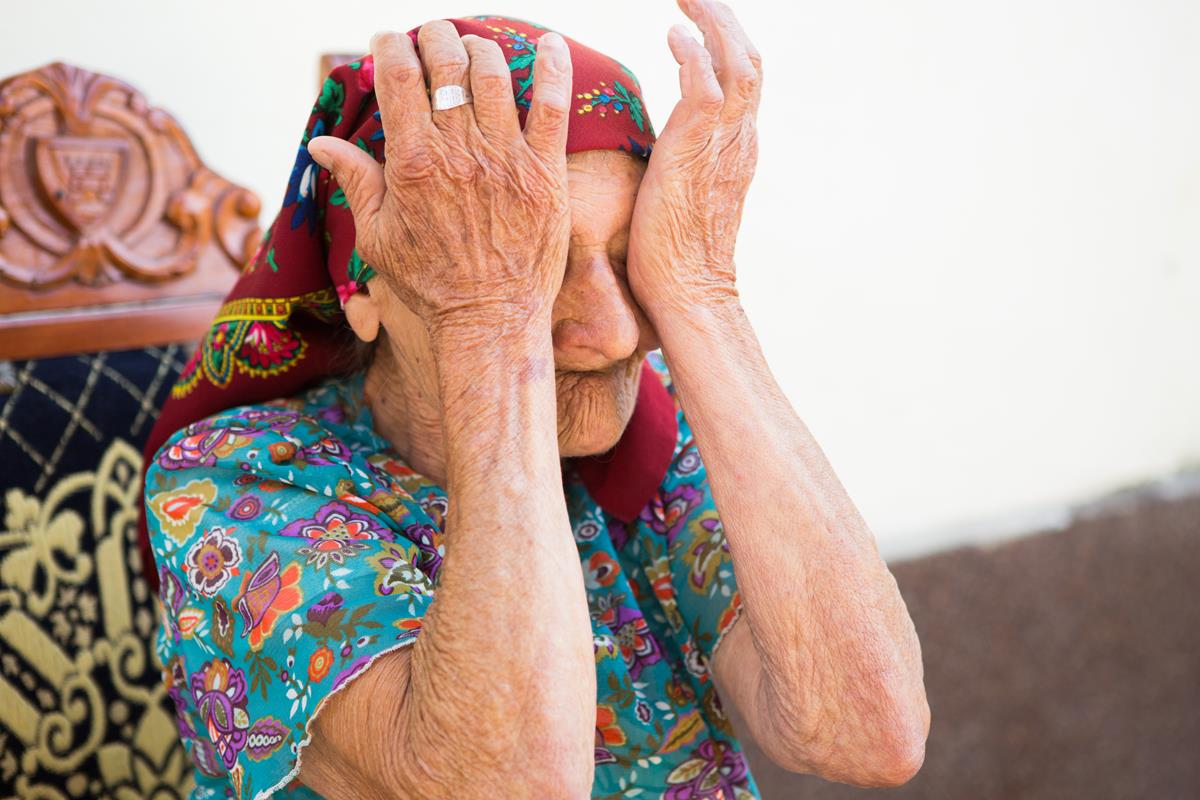
 >
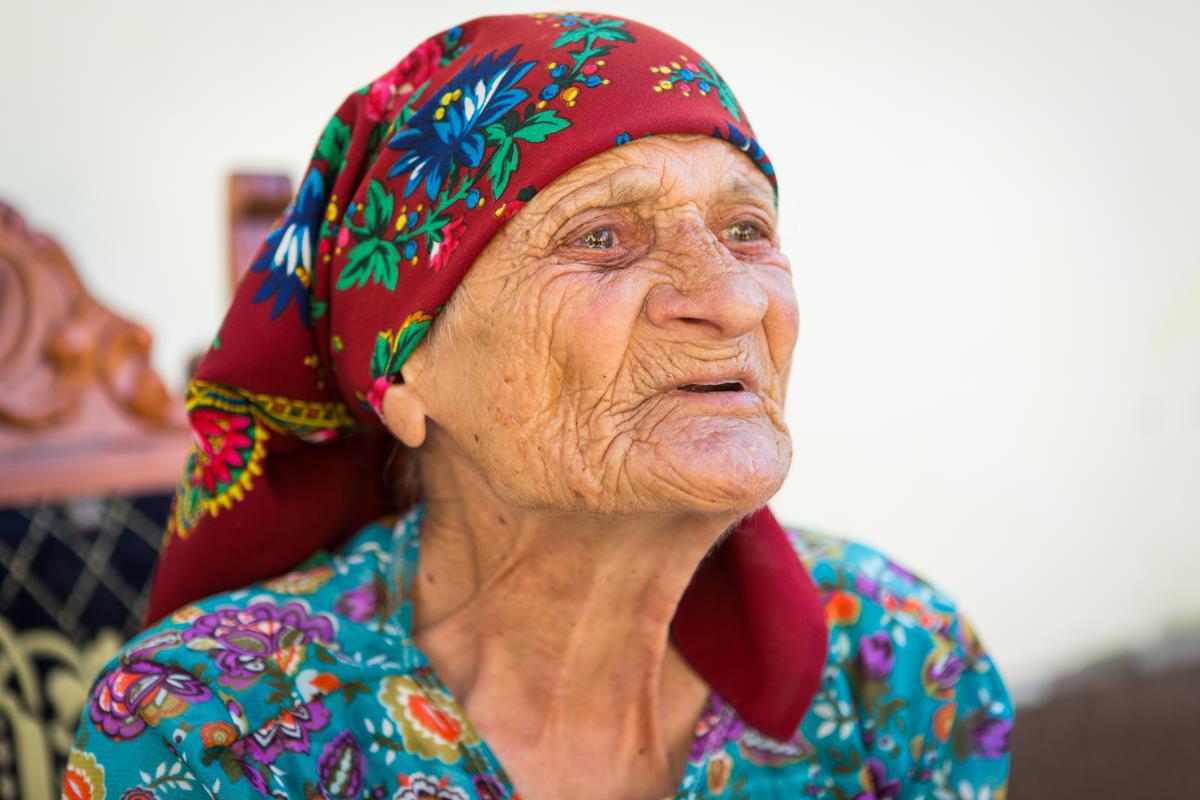
>
Name of the town: Porumbacu de Jos (village, commune of Porumbacu de Jos)
Region, country: Sibiu County, Transylvania region (Romania)
Date of deportation: June – August 1942
Excerpt from testimony:
“[…] The interviewee spent two years [in Transnistria]: first living in stables, and later in dugouts built by the deportees. The Roma went to the nearby village to barter. The interviewee’s mother exchanged a skirt for a few potatoes and a melon. Many [deportees] died of hunger, of typhus, and because of the harsh living conditions and the lack of drinking water. Their bodies were collected by the Russians and thrown into a mass grave nearby.”
Romanian archives (if they exist):
Unfortunately, no archival documents related to the Roma deported from Porumbacu de Jos have been identified.
Historical note on the Roma:
Porumbacu de Jos (in German, Unter-Bornbach; in Hungarian, Felsőporumbák) is the seat of the commune of the same name. It lies at the foot of the Făgăraș Mountains, in the southeastern part of Sibiu County, approximately 7 km from the town of Avrig. Documented as early as the 15th century, the village was inhabited predominantly by Romanians, alongside whom a few Saxon and Roma families settled. The presence of three Roma in Porumbacu de Jos is attested in a local census, or urbarial conscription, from 1680 (Francu 1999, 322). In 1850, 57 Roma were recorded in the village, out of a total of 1,499 inhabitants (SCT 1996, 312-313). After the integration into Greater Romania, the commune of Porumbacu de Jos came to number 1,421 inhabitants, including 52 sedentary Roma (RGP 1930, II.1: 192-193). In addition to these sedentary Roma, a few families of corturari Roma (tent-dwelling Roma) also settled in the village. They led a semi-nomadic life and traveled through the villages of the region to sell their copper cauldrons and utensils.
Historical note on the deportation:
Lisaveta Căldăraru and her family (parents and five children) were arrested by gendarmes who came from Avrig in the summer of 1942. They were held for two days in the custody of the Avrig police, together with other nomadic families rounded up from the neighboring localities (Bradu, Avrig, etc.). These Roma formed a convoy of carts and were escorted by gendarmes, from post to post, to the country’s eastern border. The journey took several months, and many deportees perished along the way.
The deportees arrived in Transnistria, in Golta County, probably in the autumn of 1942. After their arrival, their carts and horses were confiscated and they were forced to live in stables, under gendarme guard. For two years, the deportees were subjected to forced labor, performing agricultural work on a kolkhoz in exchange for small food rations. After a time, the deportees were moved from the stables into dugouts they built themselves. The lack of food drove many Roma to leave the stables clandestinely and go to the surrounding villages to barter, offering the locals clothes and other goods in exchange for food. Many deportees perished from hunger, the lack of drinking water, and the typhus epidemic. Their bodies were thrown into mass graves by those guarding them. The family of Lisaveta Căldăraru suffered tragic losses: one brother died in Transnistria, and another on the journey home.
The repatriation took place in the spring–summer of 1944, when the Romanian and German troops began to evacuate Transnistria. The family of Lisaveta Căldăraru covered part of the return journey on foot. After a week, they managed to board a train full of Romanian soldiers bound for Romania.
Brief note on a Roma subgroup:
Lisaveta Căldăraru belongs to a family of căldărari Roma (Roma specialized in metalworking).
Categories
Features
Regions
Video
Location
Related Testimonies
Added By Catalin Biban

Please sign in to see contact details.
 Română
  English