
 >
>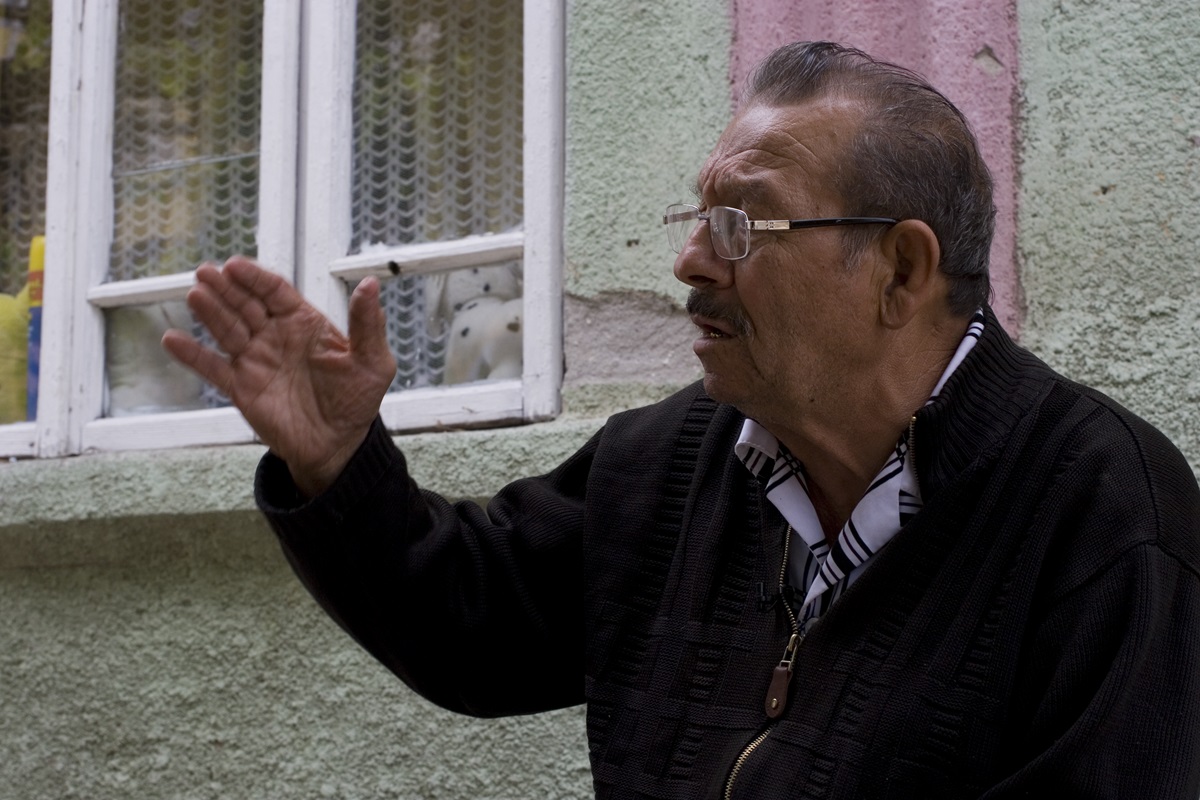
Name of the town: Craiova (city, Dolj County)
Region, country: Oltenia region (Romania)
Date of deportation: June – August 1942
Excerpt from testimony:
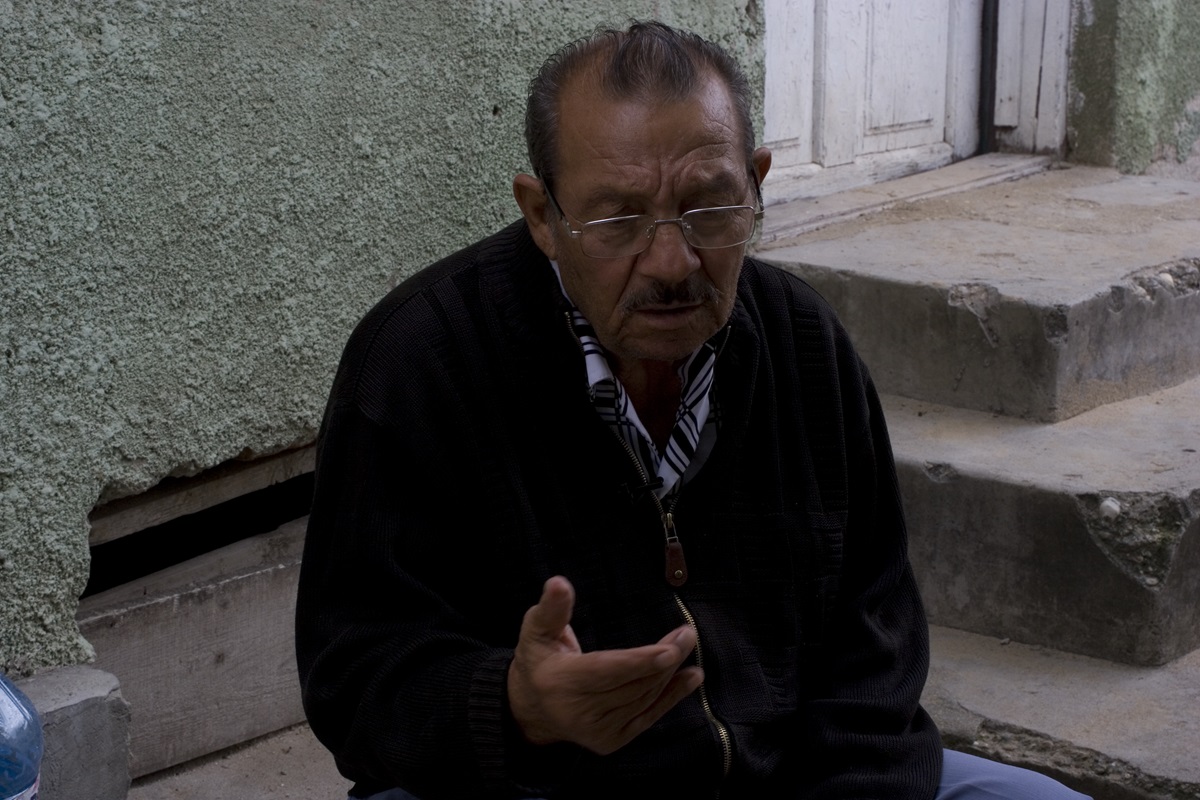
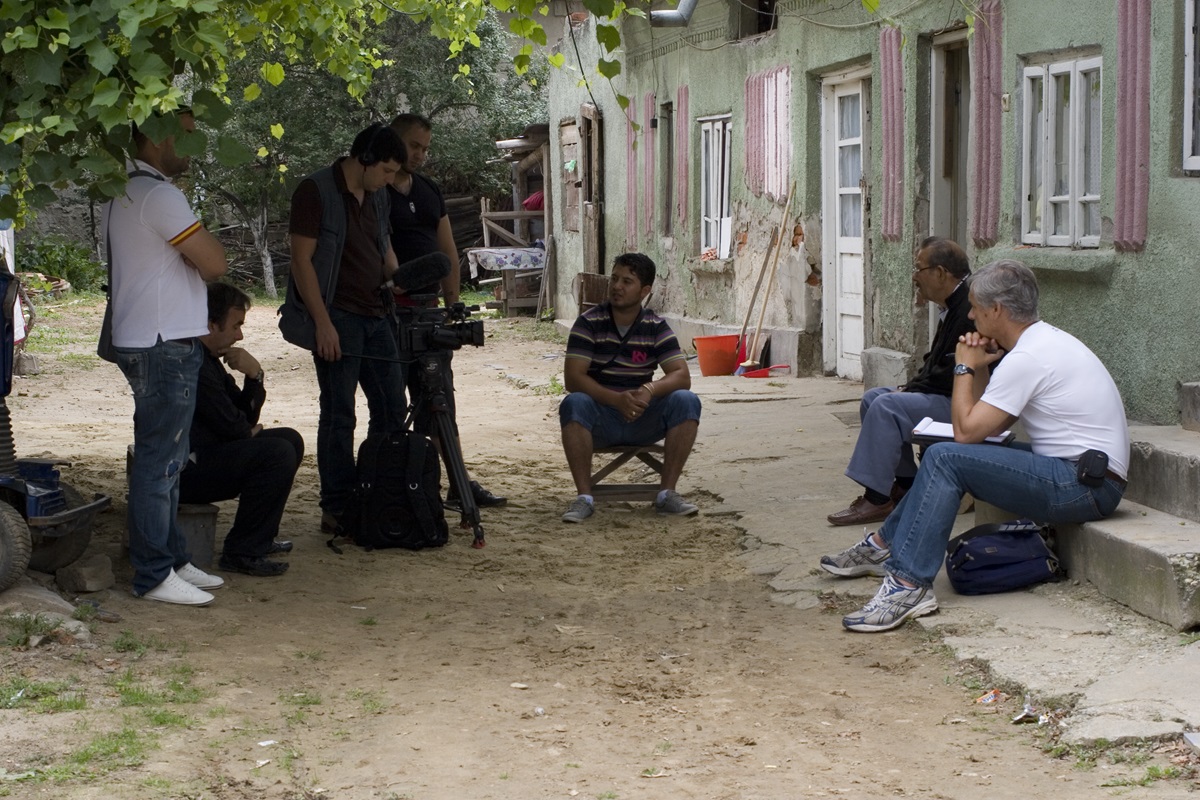
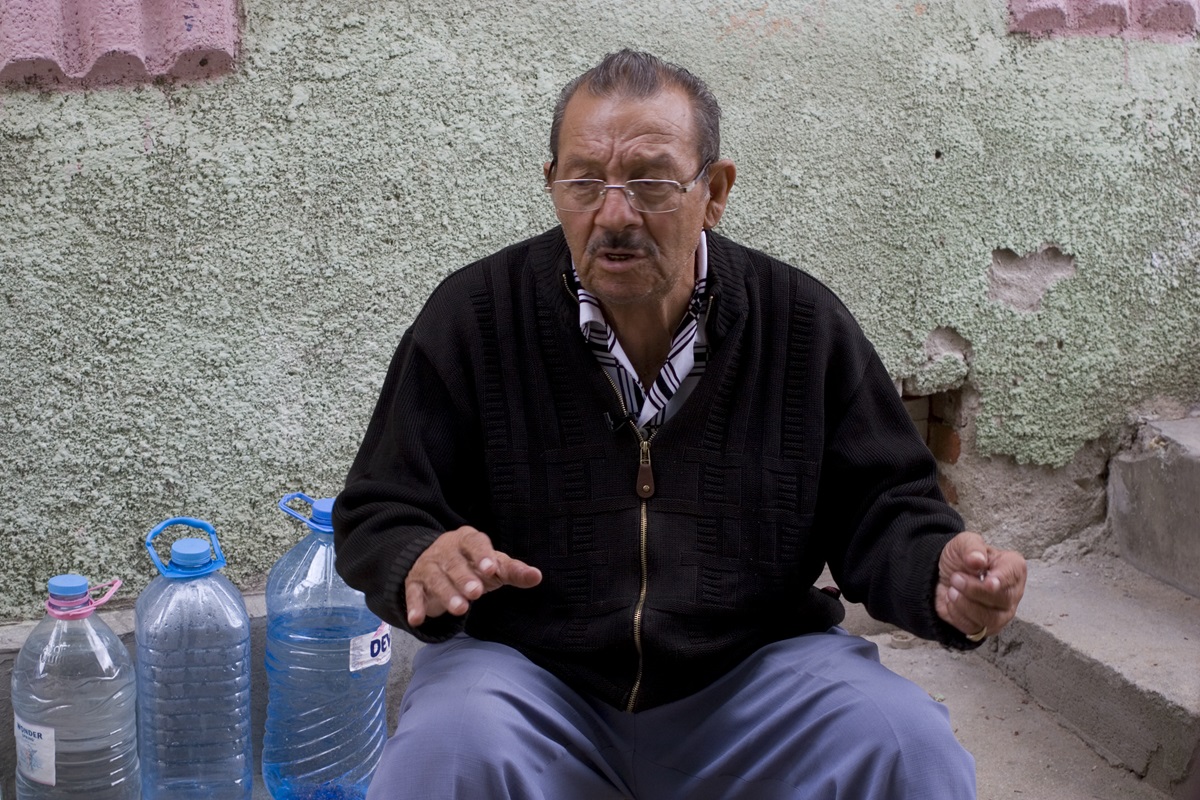
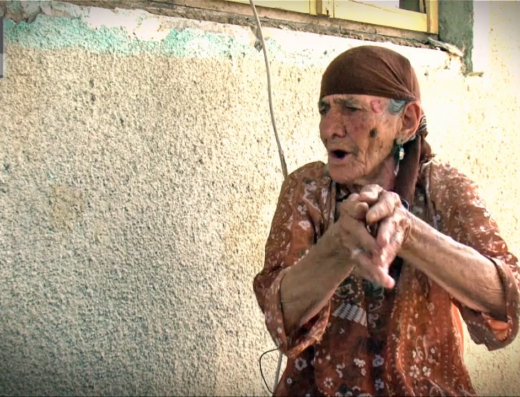
“The interviewee was deported, together with his family, to the village of Domanevka [Golta County, Transnistria], where they remained for two years. They were guarded by Romanian and Russian [guards] in a dugout that they had dug themselves. There were no houses nearby. […] [The parents and the older children were taken by truck every] morning [to harvest potatoes]. The family fed itself mainly on potatoes. During the period they lived there, the interviewee’s grandfather and grandmother died. […] [They returned to] Romania in their own carts, which had been given back to them so that they could make the journey home.”
Romanian archives (if they exist):
During the census of May 1942, the Dolj Gendarme Legion identified 1,527 nomads and 92 carts in Craiova and the surrounding localities (Romanian national archives (ANI), Inspectorate of the Gendarmerie fonds (fond IRJ), file no. 260: f. 85). It is possible that the family of Ariotsam Stoican was included on this numerical list.
Historical note on the Roma:
Ariotsam Stoican was born in Craiova, the seat of Dolj County and the most important city in the Oltenia region, located approximately 200 km west of Bucharest. In 1838, the city had a population of approximately 10,000. Among the many minorities living in the city (Greeks, Serbs, Jews, etc.) were also the Roma, sporadically mentioned in contemporary documents as boyar servants or slaves and as craftsmen (cooks, coachmen, blacksmiths, etc.) (Rădulescu 2020, 2219). Craiova numbered 30,018 inhabitants in 1894 (MDGR 1899, II: 739). The 1930 census recorded 62,215 inhabitants in Craiova, including 1,782 sedentary Roma (RGP 1930, II: 166). Alongside them lived a number of nomadic Roma families.
Historical note on the deportation:
The interviewee was evacuated in the summer of 1942, as part of the first wave of deportations, which targeted nomadic Roma. His family was deported with their own cart and horses, under the watch of gendarmes, who escorted them from one gendarme post to the next as far as the border.
Once in Transnistria, their horses and carts were confiscated. The family of Ariotsam Stoican was relocated to the commune of Domanevka (Golta County). For two years they were housed in dugouts that they had built themselves and forced to work in a field nearby, harvesting potatoes. The parents and the older children were transported by truck every morning to harvest potatoes. Because of the harsh living conditions, the interviewee’s grandfather and grandmother perished in Transnistria.
The repatriation probably took place in the spring–summer of 1944, following the Romanian and German troops retreating in the face of the advancing Red Army. Their horses and cart were returned to them so that they could travel back to Romania.
Brief note on a Roma subgroup:
The interviewee belongs to the group of sedentary Roma who worked as brickmakers.
Categories
Features
Regions
Video
Location
Related Testimonies
Added By Catalin Biban

Please sign in to see contact details.
 Română
  English