
 >
>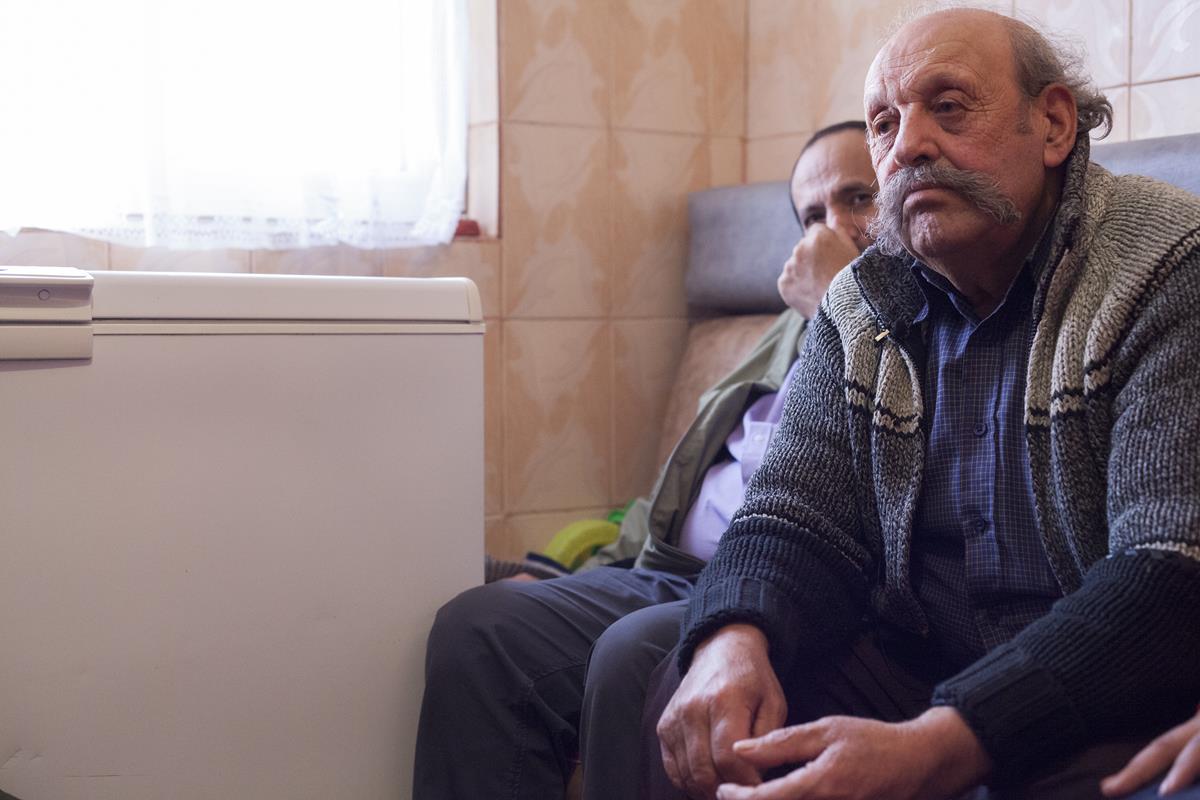
Name of the town: Brăila (city, Brăila County)
Region, country: Muntenia region (Romania)
Date of deportation: June – August 1942
Excerpt from testimony:
“[…] When they stopped along the way near a kolkhoz close to Domanevka/Berezovka, all their belongings (carts, horses, luggage, gold) were confiscated and laid out on a table. Those who refused to hand over their belongings were beaten with truncheons.
In the end they were settled on the banks of the Bug. When they arrived, they saw dugouts already built, in which thousands of Roma were living. The witness explains what a dugout looked like: it was a meter and a half deep, and one went down into it by some steps. The area with the dugouts was not fenced in. They cooked inside the dugouts, digging a pit in the ground.
The Roma were not guarded by gendarmes, but they were not allowed to go to the neighboring villages, located about 20 kilometers away. If they did not obey this rule, they were shot.
Many people died because of the harsh living conditions. The bodies were thrown behind the dugouts and were later devoured by dogs.”
Romanian archives (if they exist):
According to a report of the General Inspectorate of the Gendarmerie, the Brăila Gendarme Legion registered 101 nomads and 8 carts across the entire county in May 1942 (Romanian national archives (ANI), General Inspectorate of the Gendarmerie fonds (fond IGJ), file no. 260: f. 85). It is possible that the interviewee and his family were on this numerical list.
Historical note on the Roma:
Brăila, an old port on the left bank of the Danube, is the seat of the county of the same name, located approximately 200 km from Bucharest. Documented as early as the 14th century, the city acquired a multicultural character owing to the settlement of numerous Greeks, Jews, Lipovans, and Turks, drawn by the economic opportunities offered by the Danube port. By the end of the 19th century, the city had approximately 45,000 inhabitants, including 100 Roma (Mocioiu et al. 1975, 377), who worked as musicians, craftsmen, or itinerant traders (MDGR 1899, I: 616-622). In the interwar period, the number of Roma registered in Brăila rose to 500 out of a total of 68,347 inhabitants (RGP 1930, II: 80-81). Alongside these sedentary Roma, a few groups of nomadic căldărari Roma also lived in and around Brăila, working in metalworking and selling copper objects. According to the interviewee’s testimony, his family practiced this kind of itinerant trade, traveling from village to village by cart and selling copper cauldrons. After making camp near a village, they were required to present themselves at the gendarme post to show their encampment booklet.
Historical note on the deportation:
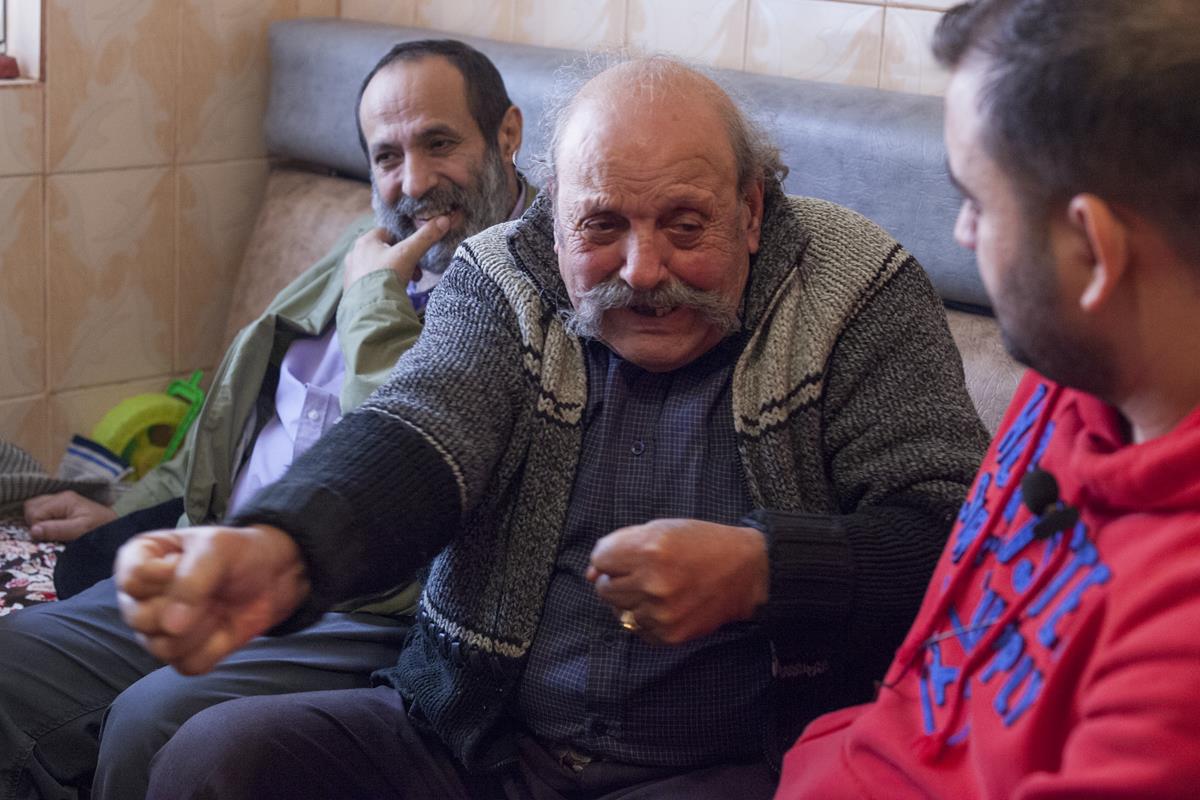
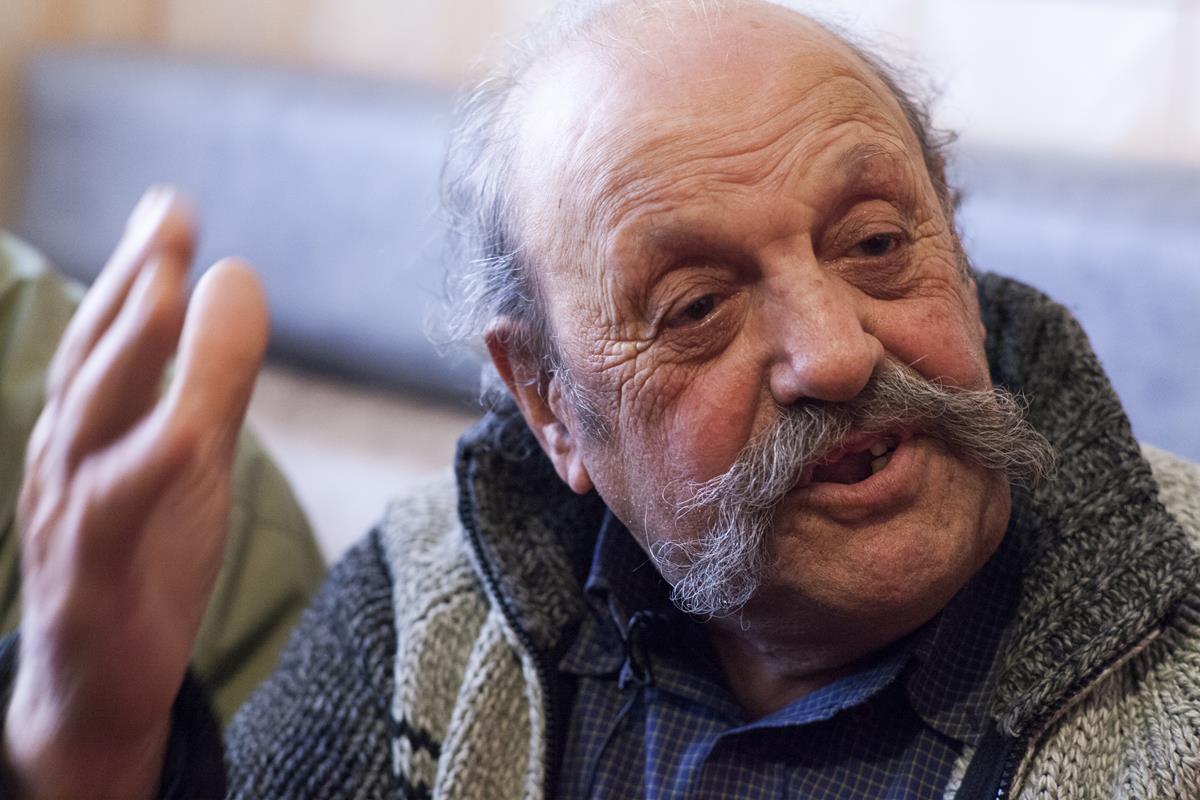
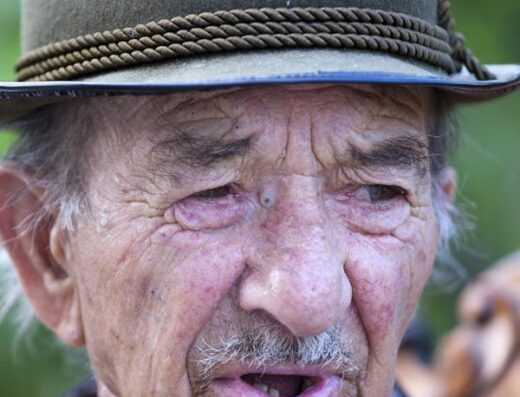
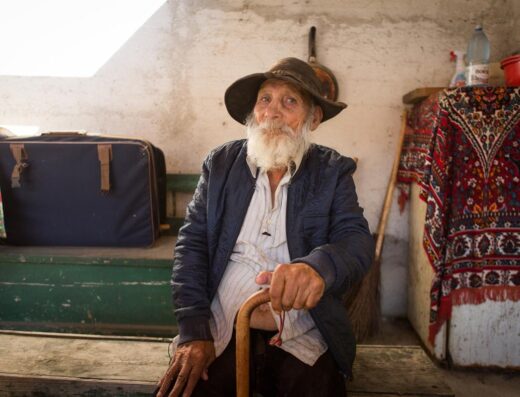
Gogu Băncuță and his relatives were arrested by gendarmes in the summer of 1942. His family was included in a caravan of carts and escorted by gendarmes from post to post to the border. The caravan made a brief stop in the commune of Oancea, after which it crossed the Prut into Bessarabia and headed toward the Dniester. Along the way, the deportees received no rations and had to buy their own food in the neighboring villages.
Once in Transnistria, the deportees were relocated near Domanevka (Golta County), next to a kolkhoz. Living conditions were appalling: after most of their belongings (horses, carts, personal items) were confiscated, the gendarmes forced the deportees to live in dugouts half-buried in the ground. Since the food rations they received were minimal, the Roma were forced to barter with the locals, exchanging for food the few personal belongings they had managed to hide from the gendarmes’ vigilance. The deportees were not allowed to leave the camp; those who tried to go to the neighboring villages risked being shot by the guards. Many deportees died from the harsh living conditions, and their bodies remained unburied. To terrorize them, the gendarmes forced the Roma to witness the mass execution of 300 to 500 Jewish deportees, whose bodies were thrown into mass graves.
The repatriation of Gogu Băncuță’s family probably took place in the spring of 1944. The toll was tragic, according to the interviewee: only a quarter of the deported Roma returned to the country.
Brief note on a Roma subgroup:
Gogu Băncuță belongs to the community of căldărari Roma, who worked in metalworking (copper cauldrons).
Categories
Features
Regions
Video
Location
Related Testimonies
Added By Catalin Biban

Please sign in to see contact details.
 Română
  English