
 >
>
Name of the town: Avrig (town; a village until 1989)
Region, country: Sibiu County, Transylvania region (Romania)
Date of deportation: June – August 1942
Excerpt from testimony:
“[…] At first [after arriving in Gradovka, Golta County], the interviewee was relocated to a deserted field, but after a time they built themselves dugouts. Their belongings and carts were confiscated. […]”
Romanian archives (if they exist):
Unfortunately, no archival documents related to the Roma deported from Avrig have been identified.
Historical note on the Roma:
Avrig (in German, Freck; in Hungarian, Felek) is an old settlement in the valley of the Olt River, at the foot of the Făgăraș Mountains, approximately 45 km from Sibiu. Documented as early as the 14th century, the village of Avrig was inhabited by Saxon colonists and Romanians and came under the jurisdiction of Sibiu as early as 1383 (Diaconovich 1898, I: 335-336). Information about the Roma settled in Avrig is scarce and late. The 1850 census recorded 2,520 inhabitants in the village, of whom 2,203 were Romanians, 168 Saxons, and 144 Roma (SCT 1996, 298-299). Nearly 80 years later, the 1930 census identified only 49 Roma in the village, out of a total of 3,997 inhabitants, most of them Romanians (RGP 1930, II.1: 410-411).
Historical note on the deportation:
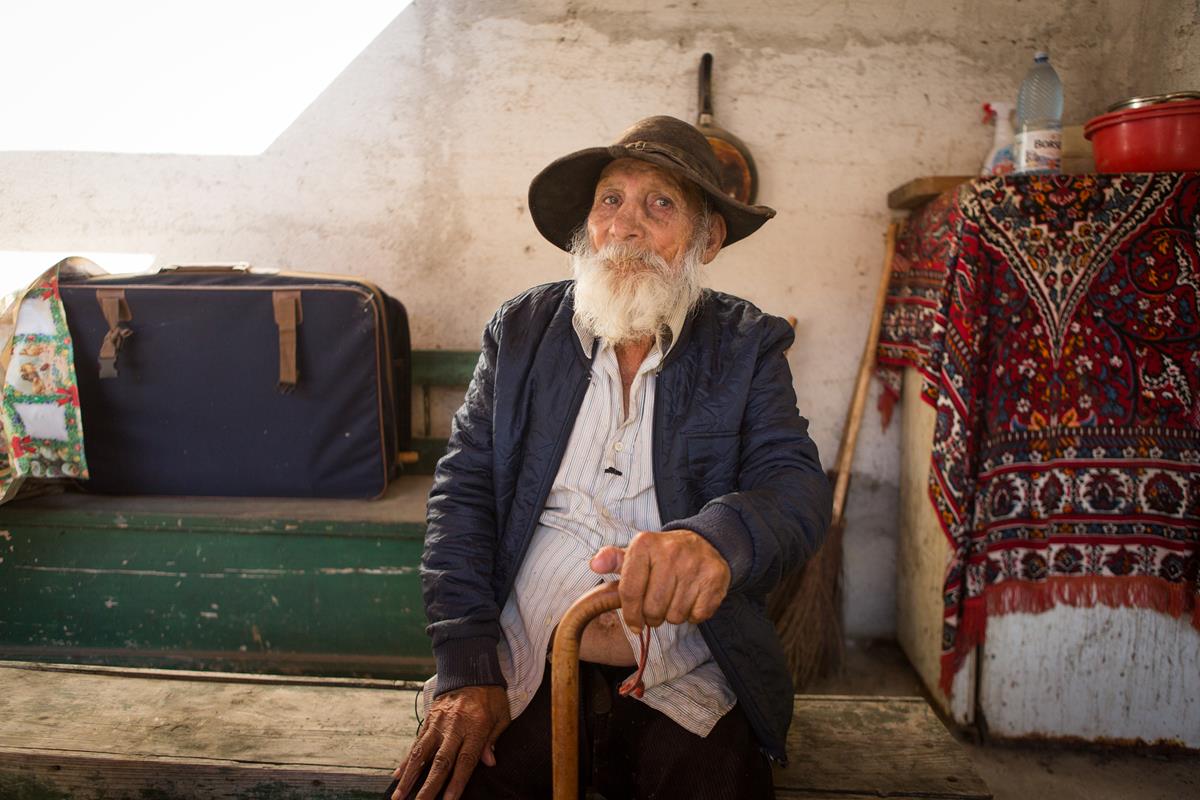
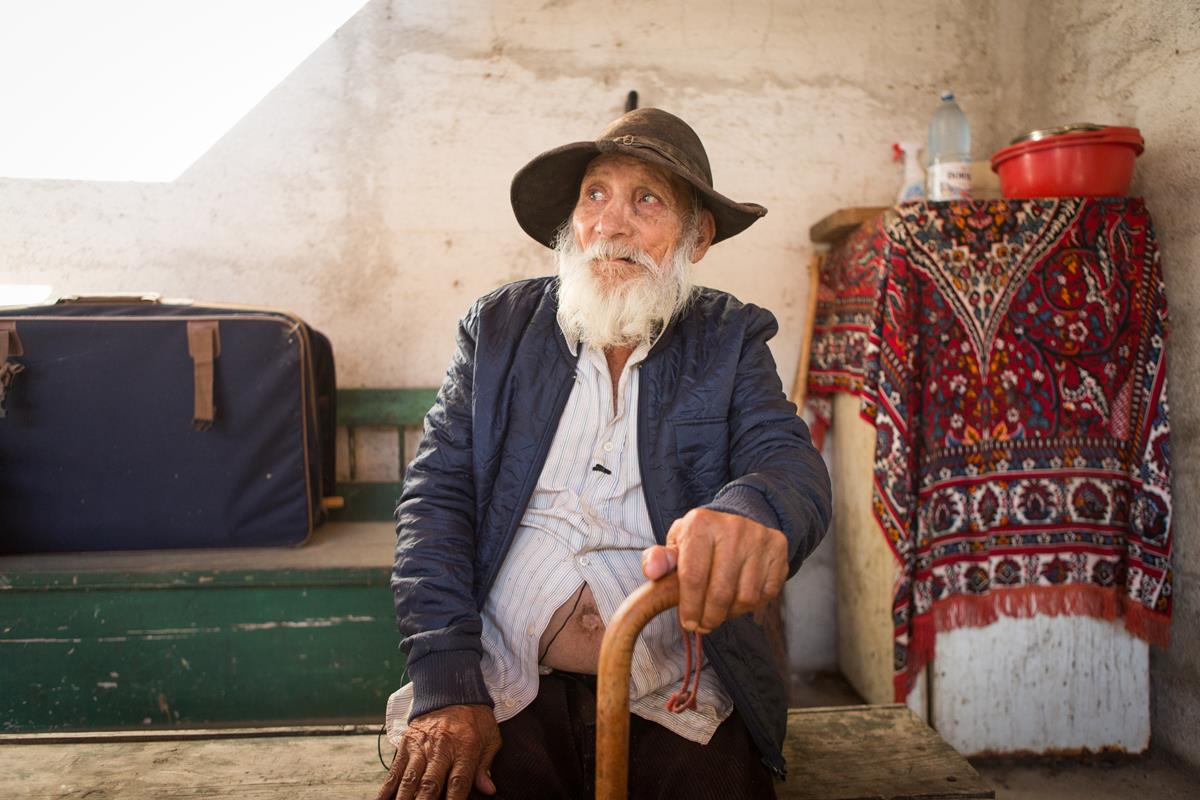
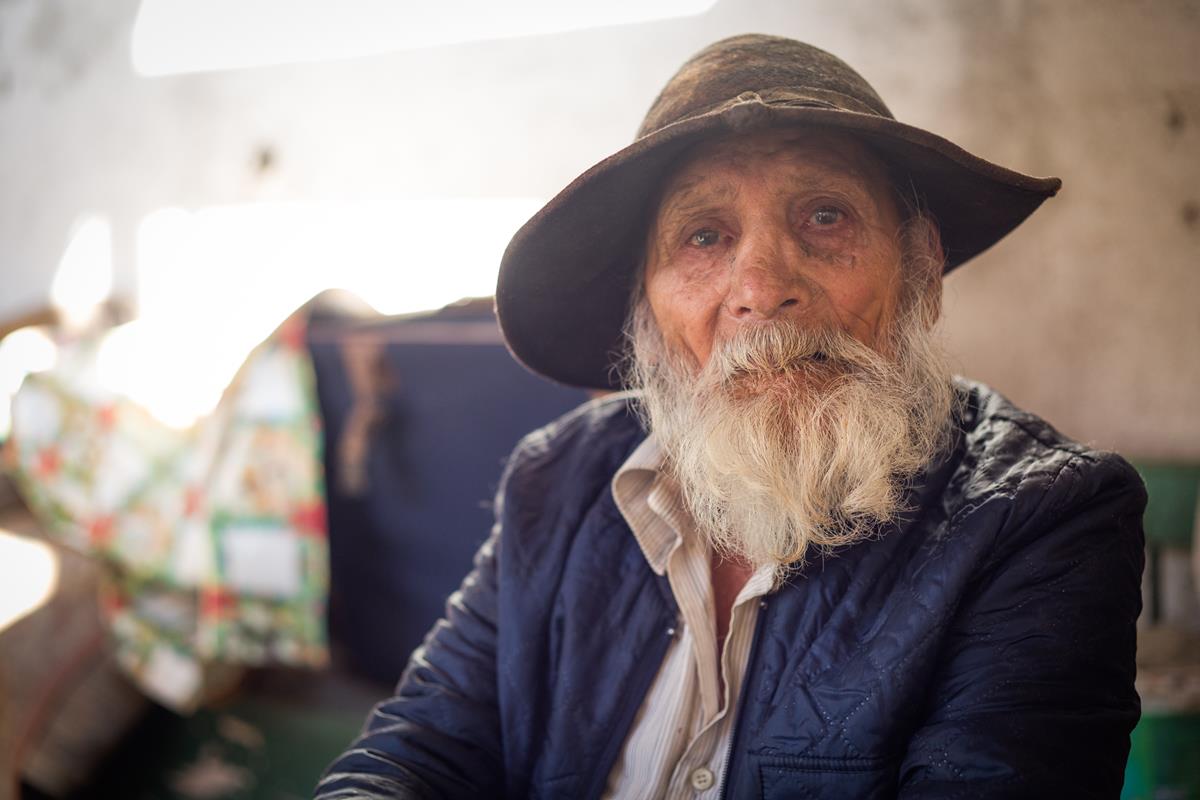
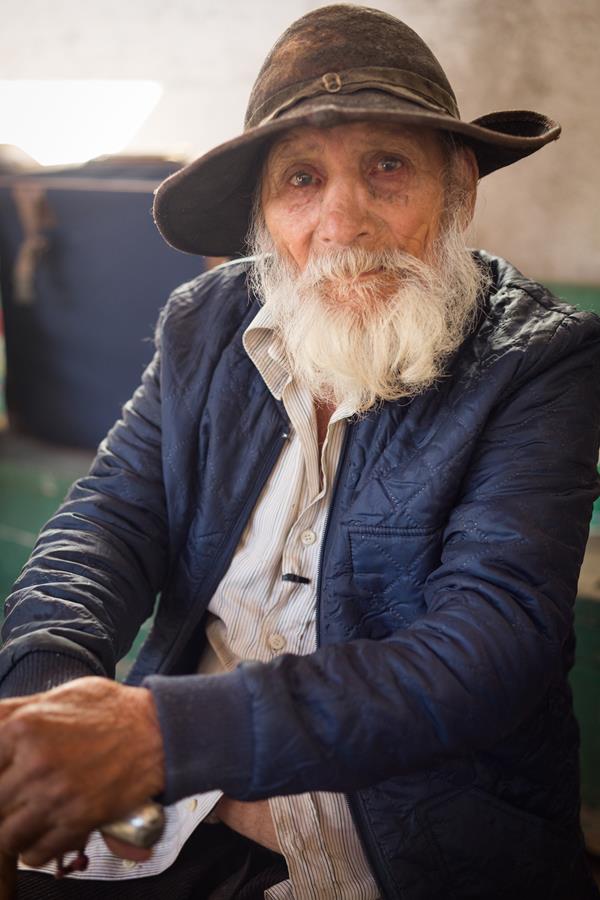
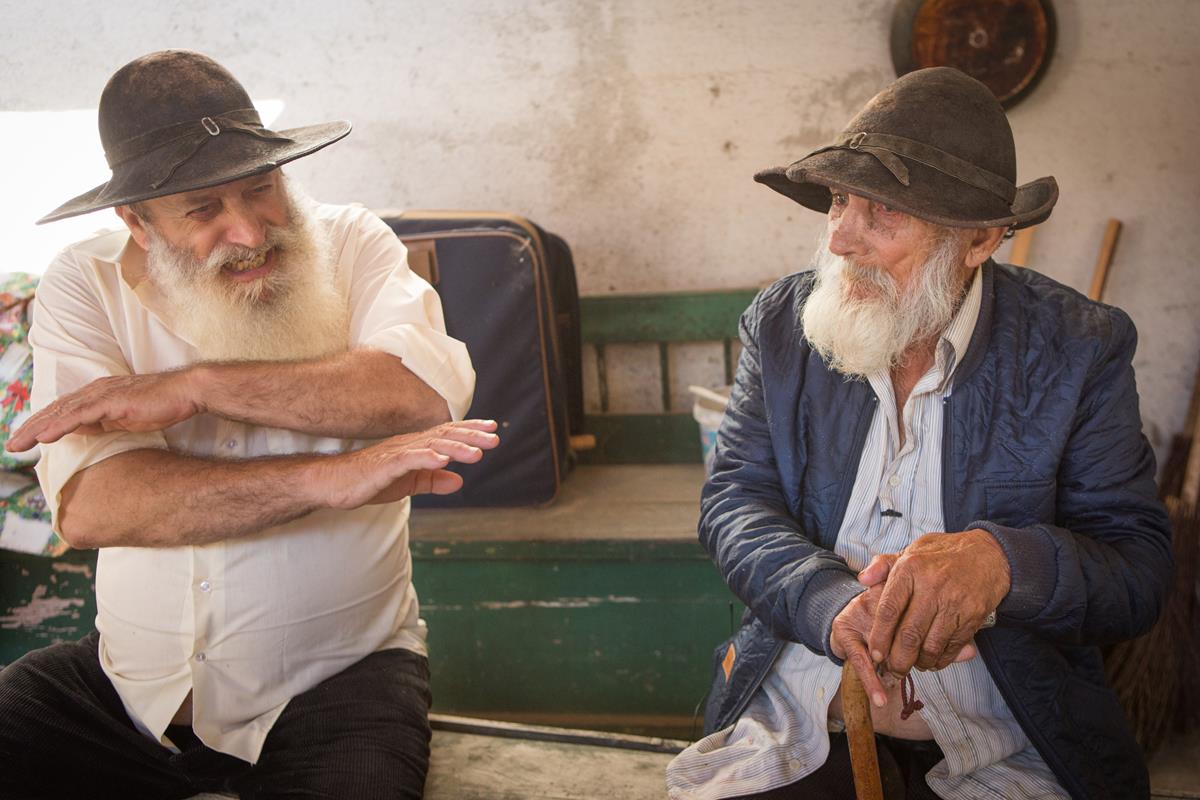
Victor Căldăraru and his family were part of the group of nomadic Roma deported in the summer of 1942. They were probably arrested by the local gendarmes and included in a convoy of carts that was escorted from post to post by gendarmes to Romania’s eastern border.
After crossing into Transnistria, the group of Roma was relocated to a deserted field near the locality of Gradovka (Golta County). Their carts and animals were confiscated. At first the Roma deportees lived in tents; later they built themselves dugouts. The lack of food rations forced many Roma to leave the camp clandestinely and roam the neighboring villages in search of food. The interviewee’s uncle and his wife went out in search of food in this way and were shot by the Ukrainian guards. In all, five members of Victor Căldăraru’s family died in Transnistria.
The interviewee managed to return to Romania, probably in the spring–summer of 1944.
Brief note on a Roma subgroup:
Victor Căldăraru belongs to the group of căldărari Roma (Roma specialized in metalworking), who worked in the processing of copper and aluminum. In the postwar years, his family became sedentary and began to work in agriculture.
Categories
Features
Regions
Video
Location
Related Testimonies
Added By Catalin Biban

Please sign in to see contact details.
 Română
  English