
 >
>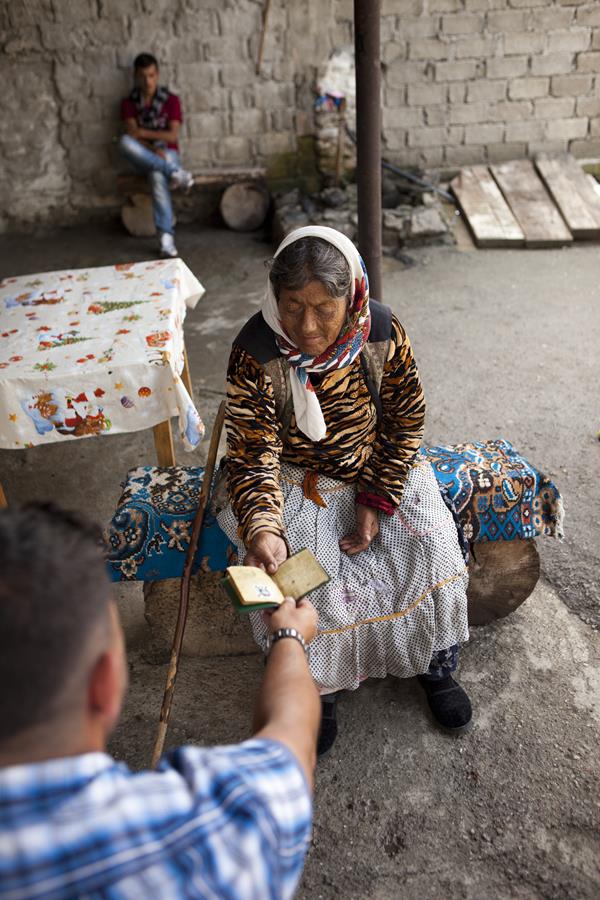
Name of the town: Bunești (village, commune of Bunești)
Region, country: Vâlcea County, Oltenia region (Romania)
Date of deportation: September 1942
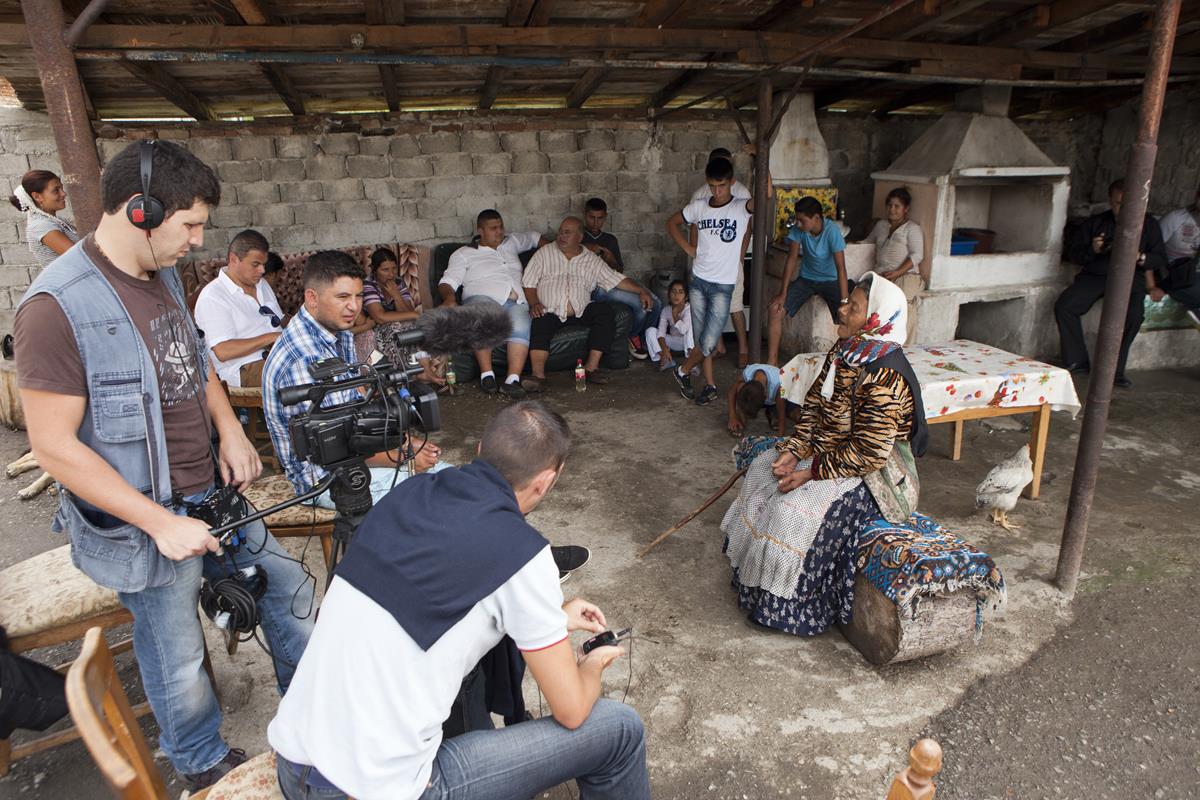
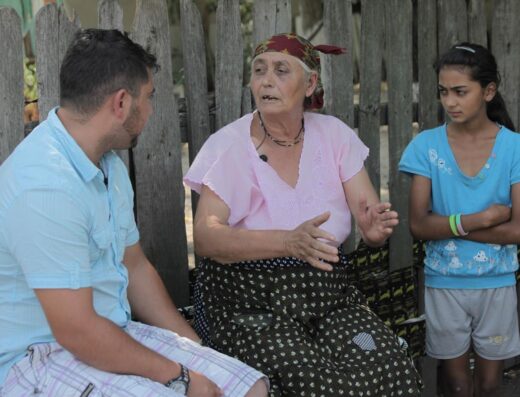
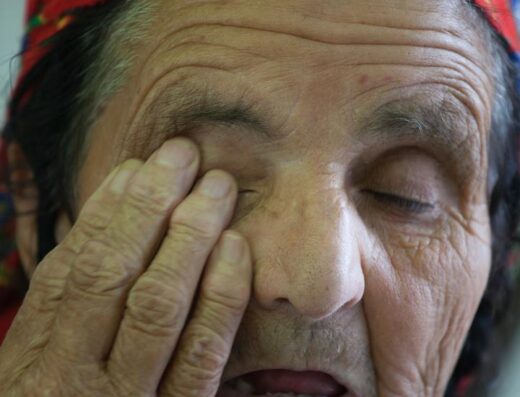
Excerpt from testimony:
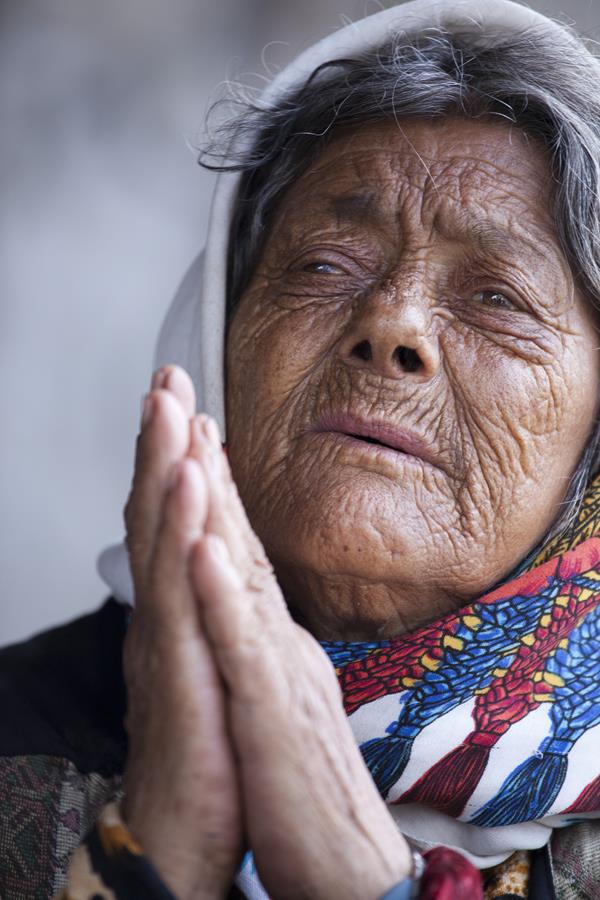
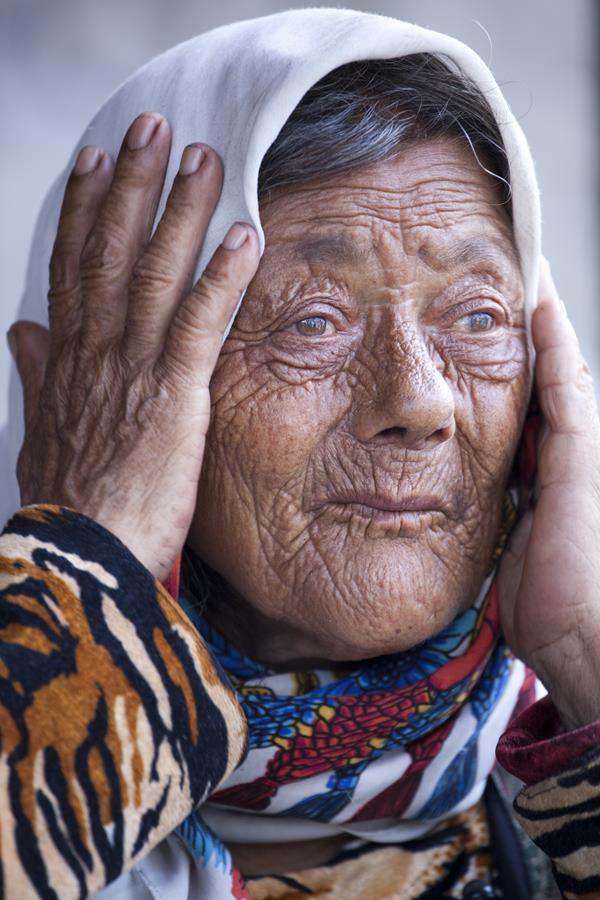
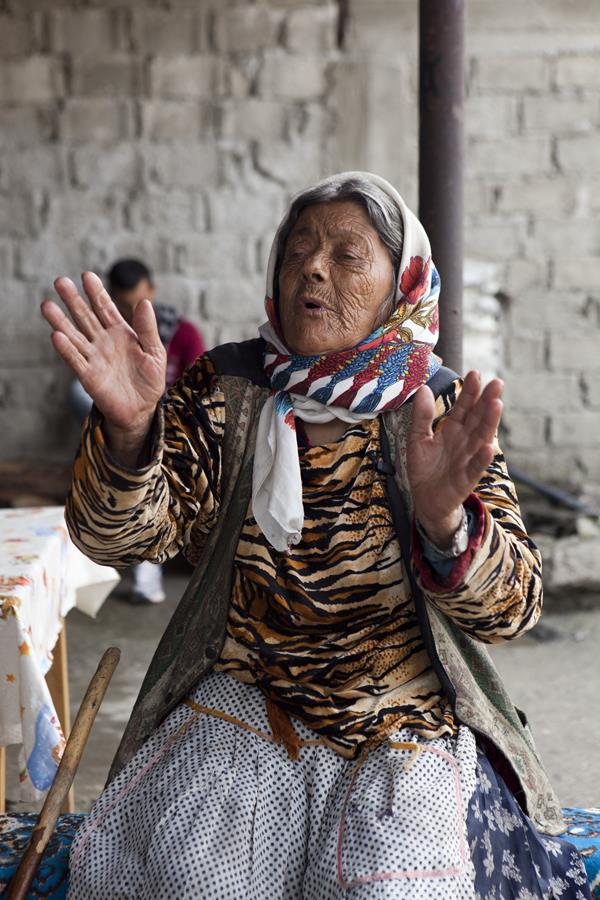
“[…] My mother died [in Transnistria]. We dug her a small grave, wrapped her in a blanket, and could not even cover her with earth. We placed her in a pit near the kolkhoz, without a coffin, without anything else. She died of hunger; we did not have even a crust of bread. Many other [deportees] died.”
Romanian archives (if they exist):
Unfortunately, no archival documents related to the Roma deported from Bunești have been identified.
Historical note on the Roma:
Bunești is a village in the commune of the same name in Vâlcea County, located approximately 25 km from the town of Râmnicul-Vâlcea. The earliest attestations of Roma in the locality date from the 16th century. They are mentioned as slaves of the Govora Monastery and later of the Bishopric of Râmnic, which owned a good part of the estate of the village of Bunești until 1863. At the end of the 19th century, approximately 25 Roma (5 families of rudari, blacksmiths, and lăutari) were registered in the commune of Bunești (MDGR 1899, II: 74). The general census of 1930 recorded 1,095 inhabitants in the commune of Bunești, including 207 sedentary Roma (RGP 1930, II: 498-499).
Historical note on the deportation:
Stella Alexandru was probably deported in the autumn of 1942, together with her mother and two sisters. The family was removed from its own home and escorted by gendarmes to the nearby railway station, after which they were loaded into train cars bound for Transnistria. The gendarmes promised the Roma that they would receive houses and livestock once they arrived at their destination.
After crossing the border into Transnistria, the deportees were relocated to the commune of Vradiovka, Golta County. A gendarme post was located nearby. The deportees were housed in a stable without windows or doors and forced to take part in fieldwork (harvesting corn), receiving in exchange small rations of flour and potatoes. Around 100 Roma families lived in the stable, under the close watch of Romanian and Ukrainian gendarmes. Many deportees, especially children, died of hunger and were buried near the kolkhoz. After her mother’s death, the interviewee and her sister were relocated, together with other Roma, to a camp.
The repatriation probably took place in the spring–summer of 1944, after the gendarmes allowed the deportees to leave the camp. The interviewee returned to the country by train. She found nothing left in her native village (the house had been destroyed).
Categories
Features
Regions
Video
Location
Related Testimonies
Added By Catalin Biban

Please sign in to see contact details.
 Română
  English