
 >
>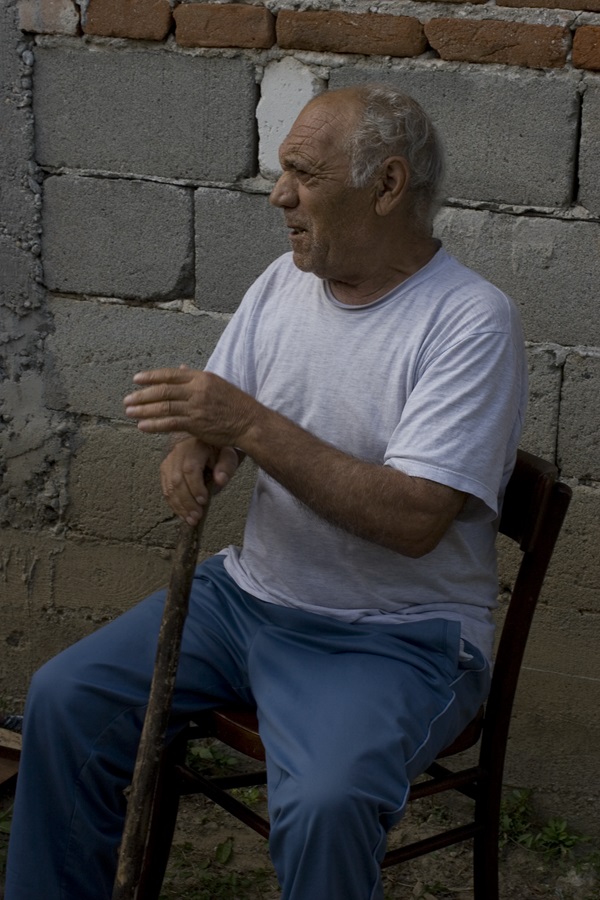
Name of the town: Craiova (city, Dolj County)
Region, country: Oltenia region (Romania)
Date of deportation: June – August 1942
Excerpt from testimony:
“[…] The interviewee’s mother died during the winter [in Transnistria]. The family members put together a wooden coffin and buried her in the village cemetery. […] [German soldiers took the deportees across the Bug in] small boats that held 20 to 30 people; those who did not move quickly enough risked being shot; [those who tried to escape digging] the trenches were executed. The interviewee’s father and uncle were taken to dig trenches, and the uncle tried to flee, but was caught by the Germans, who killed him by tying his legs to two horses [which were then whipped] to tear him apart. German soldiers also came to the deportees’ dugouts and took women with them; some returned, others did not. Deportees who died in the locality were buried by their own families. There were also cases of cannibalism in the locality, including one family that ate the corpse of their own one-year-old child.”
Romanian archives (if they exist):
During the census of May 1942, the Dolj Gendarme Legion identified 1,527 nomads and 92 carts in Craiova and the surrounding localities (Romanian national archives (ANI), Inspectorate of the Gendarmerie fonds (fond IRJ), file no. 260: f. 85). It is possible that the interviewee’s family was included on this numerical list.
Historical note on the Roma:
Didilă Cilidor was born in Craiova, the most important city in the Oltenia region, located approximately 200 km west of Bucharest. In 1838, the city had a population of approximately 10,000. Among the many minorities living in the city (Greeks, Germans, Serbs, Jews, etc.) were also the Roma, sporadically mentioned in contemporary documents as boyar servants or slaves and as craftsmen (cooks, coachmen, blacksmiths, etc.) (Rădulescu 2020, 2219). Craiova numbered 30,018 inhabitants in 1894 (MDGR 1899, II: 739). The 1930 census recorded 62,215 inhabitants in Craiova, including 1,782 sedentary Roma (RGP 1930, II: 166). Alongside them lived a number of nomadic Roma families.
Historical note on the deportation:
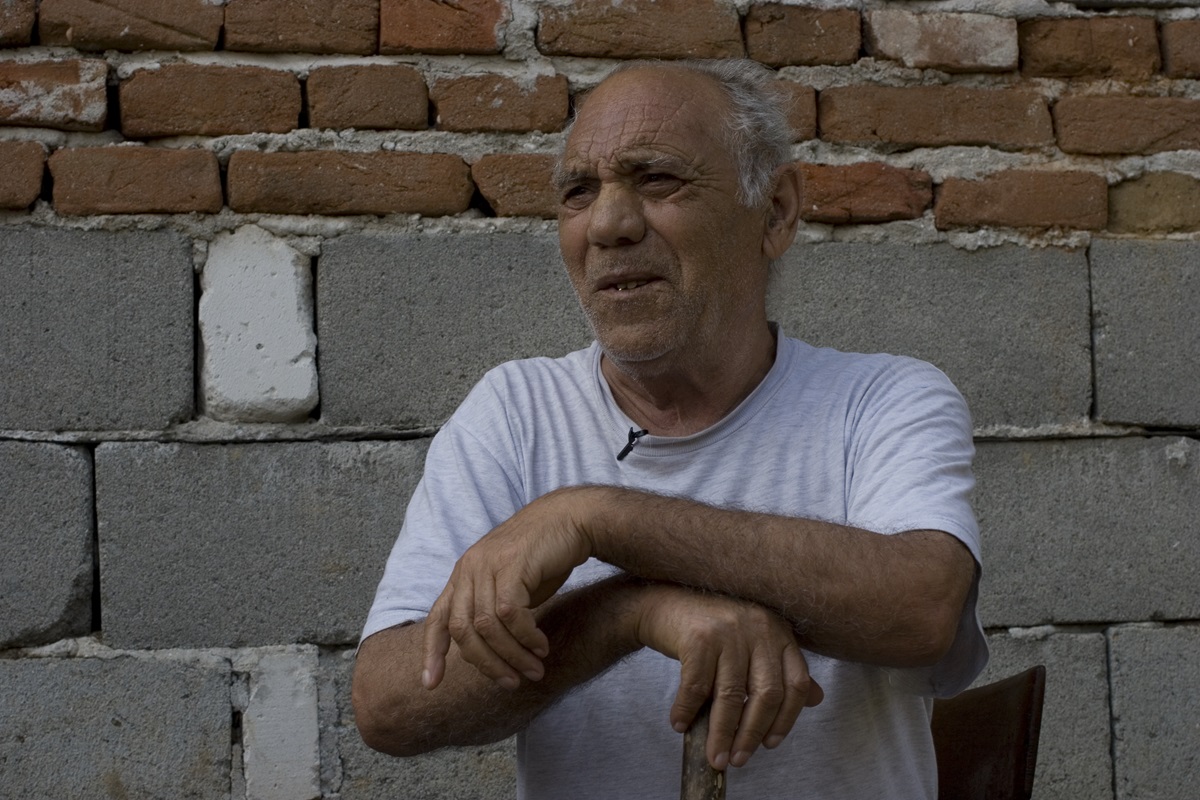
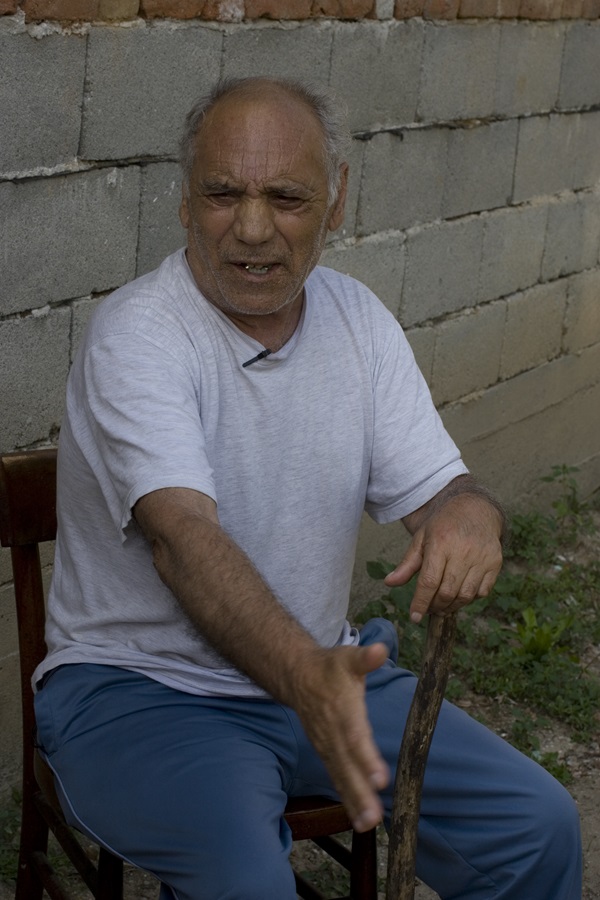
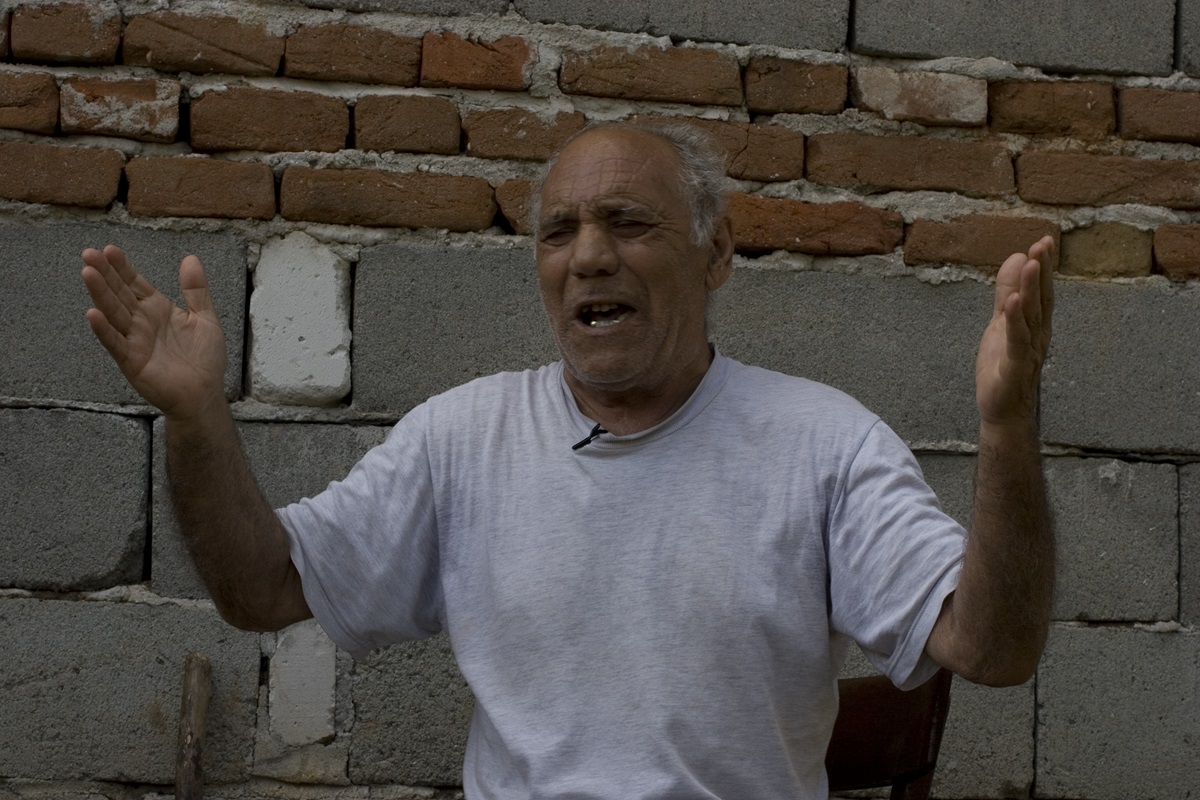
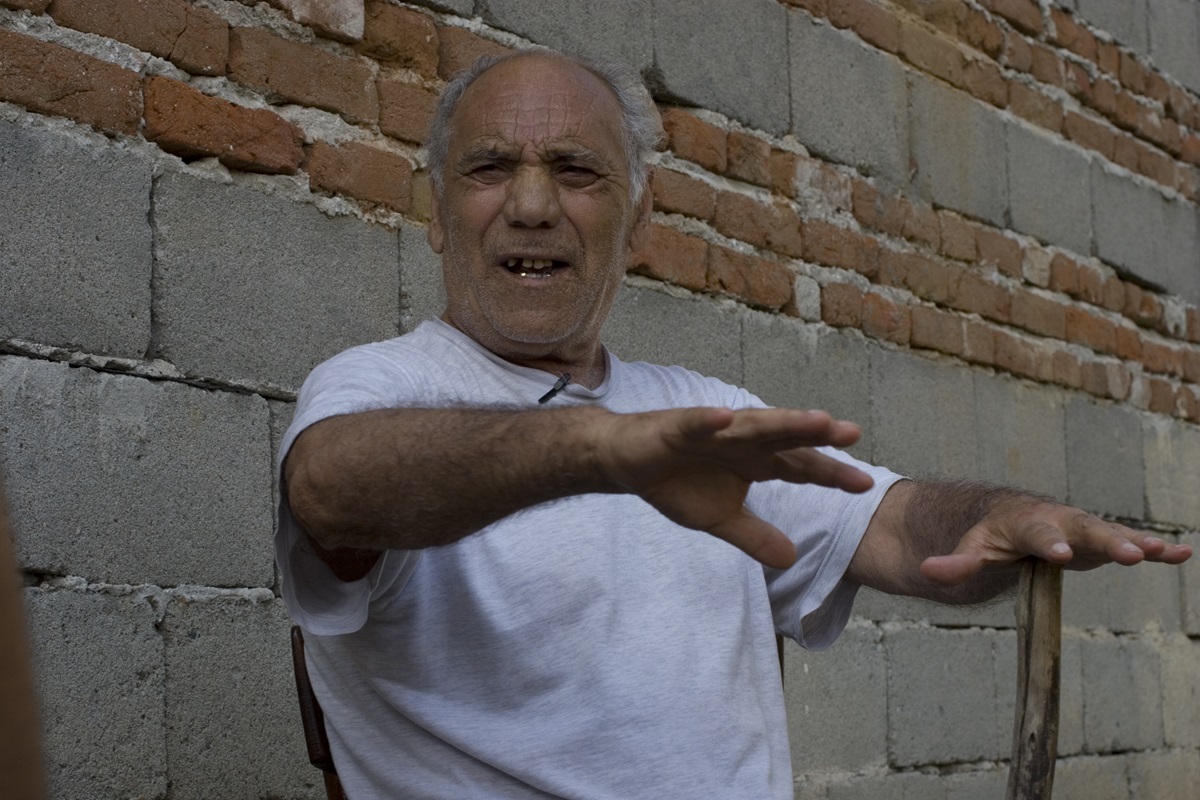
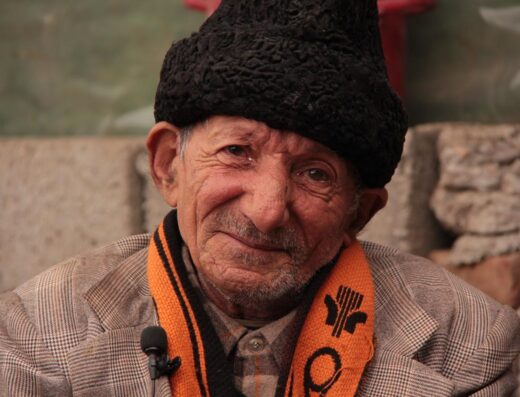
Didilă Cilidor and his family were itinerant musicians who traveled in groups of 5–6 carts from village to village, singing and dancing to earn their living. The Craiova Gendarme Legion classified them among the nomadic Roma and probably deported them in the summer of 1942. The family was included in a convoy of nomadic Roma and escorted from village to village and from one Gendarme Legion’s jurisdiction to the next, all the way to the border with Transnistria. The escorting gendarmes promised the deportees that they would have better living conditions in Transnistria. No food rations were provided, but the Roma were allowed to buy food along the way.
After arriving in Transnistria, Didilă Cilidor’s family was relocated to the locality of Amicenka and housed in a stable. Later, the family was moved to the commune of Varvarovka (Ochakov County) and forced to live in dugouts near a kolkhoz. Their animals, carts, and instruments were confiscated, and the deportees were subjected to a regime of forced labor in exchange for small rations made of barley flour and cornmeal. Living conditions were extremely harsh, as the deportees were forced to endure the brutality of the gendarmes and the German troops (rapes, threats, summary executions, etc.). The regime of forced labor, hunger, cold, and the violence of the troops claimed many victims, including the interviewee’s mother. This regime of dehumanization drove some deportees to extreme acts, such as cannibalism.
The repatriation took place in the spring–summer of 1944, when the Romanian troops retreating in the face of the Red Army told the deportees to leave the province. The interviewee’s family had their horse and cart returned to them to make the journey home. After arriving in Craiova following a long journey, they found their household intact.
Brief note on a Roma subgroup:
The interviewee belongs to the group of lăutari Roma (itinerant musicians who played the accordion and the guitar).
Categories
Features
Regions
Video
Location
Related Testimonies
Added By Catalin Biban

Please sign in to see contact details.
 Română
  English