
 >
>
Name of the town: Cioraști (commune)
Region, country: Galați County, Moldova region (Romania)
Date of deportation: June – August 1942
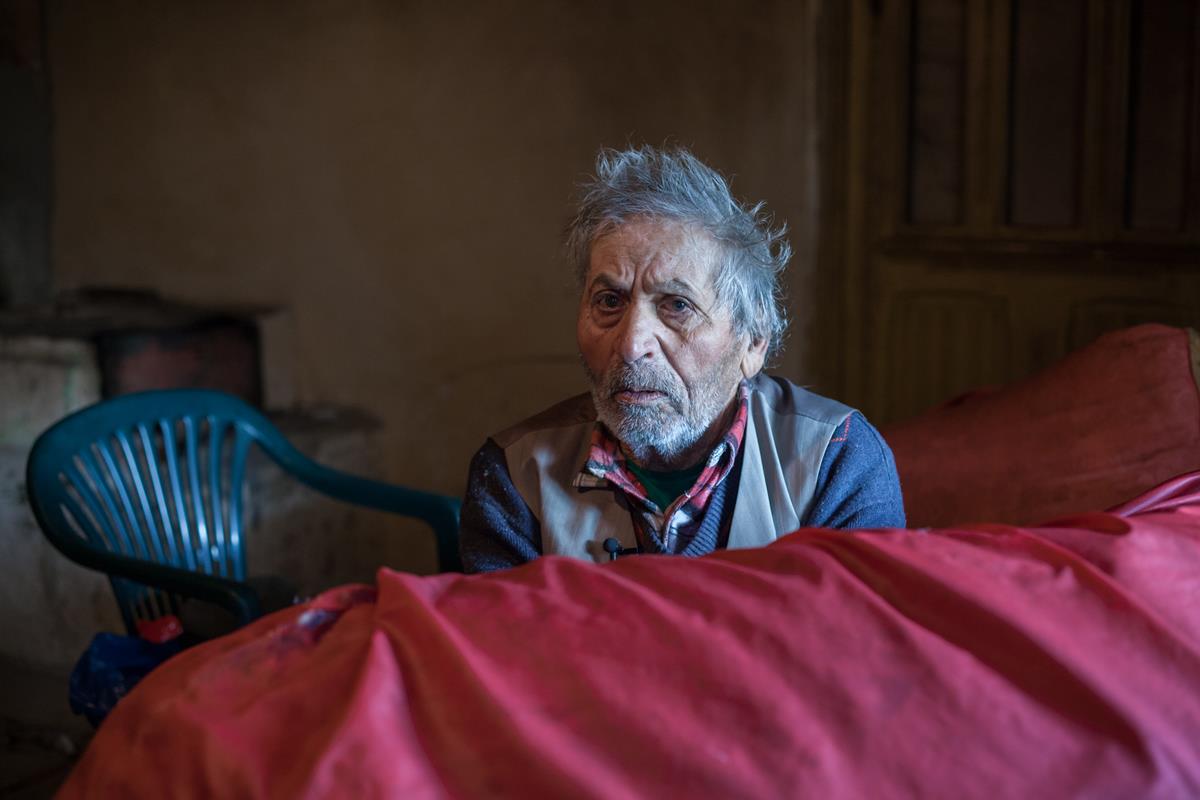
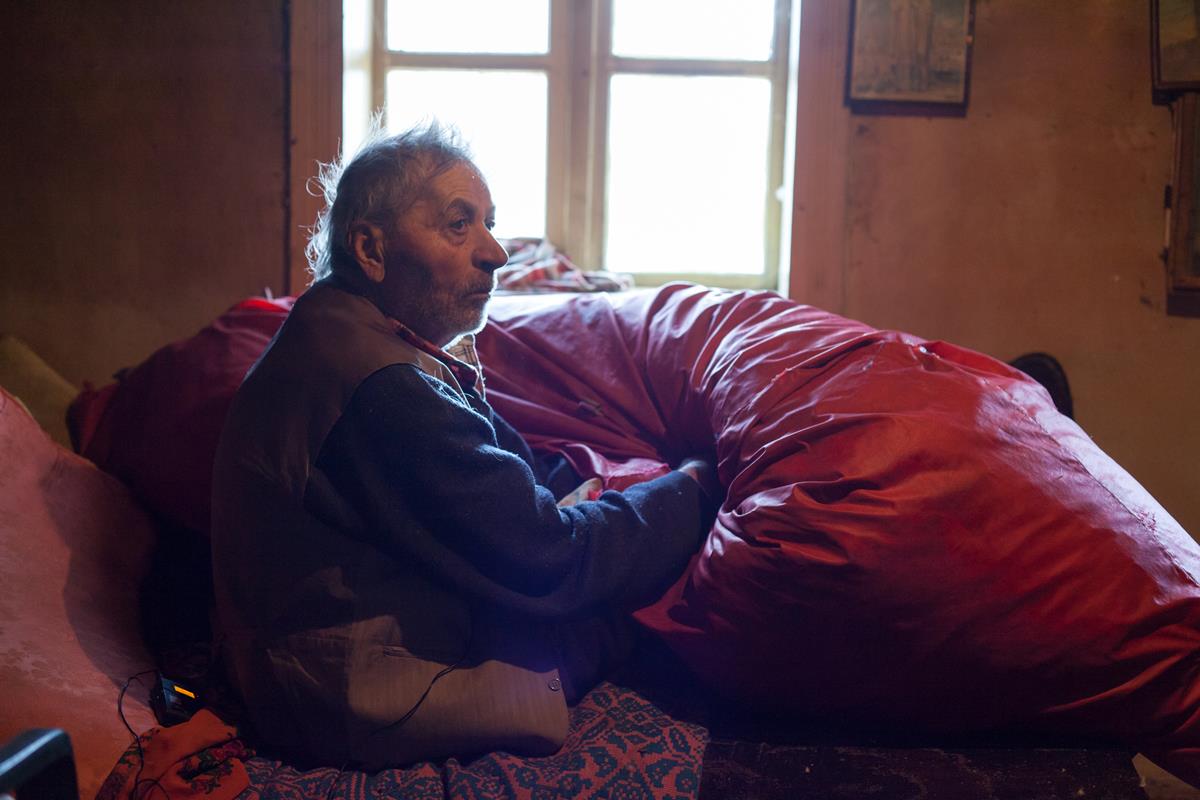
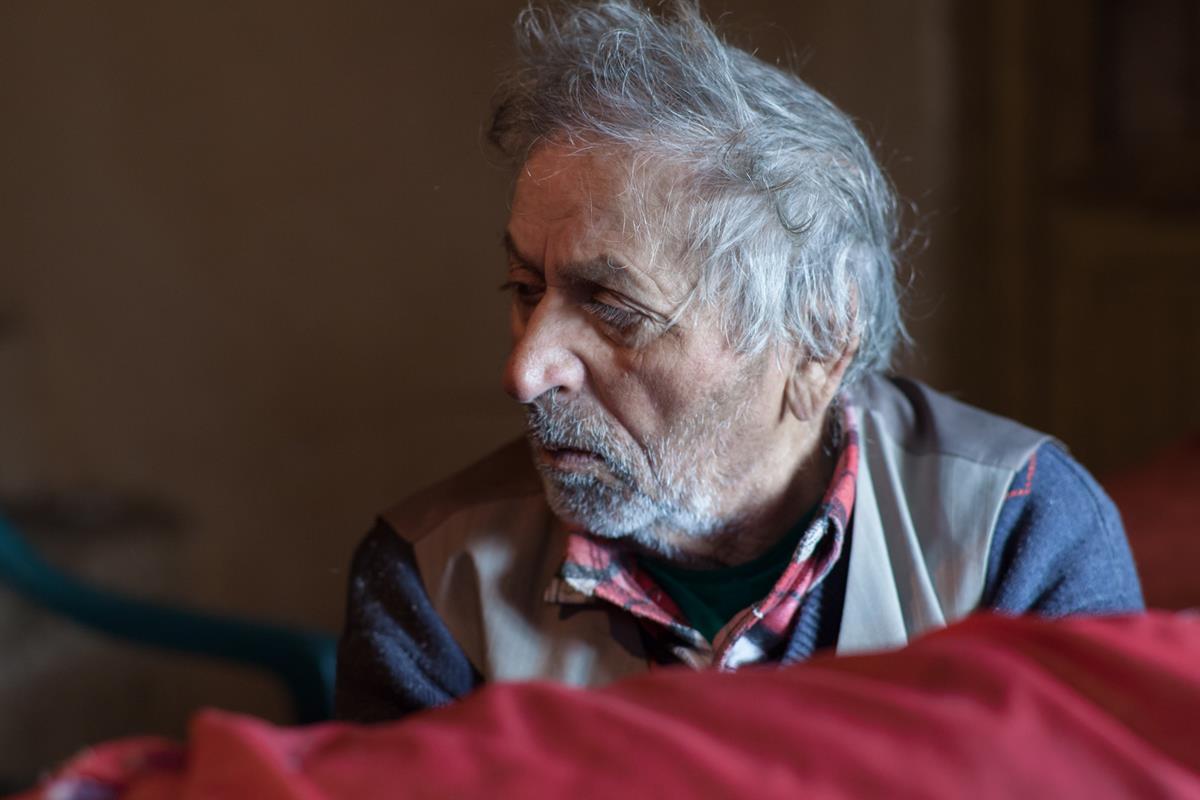
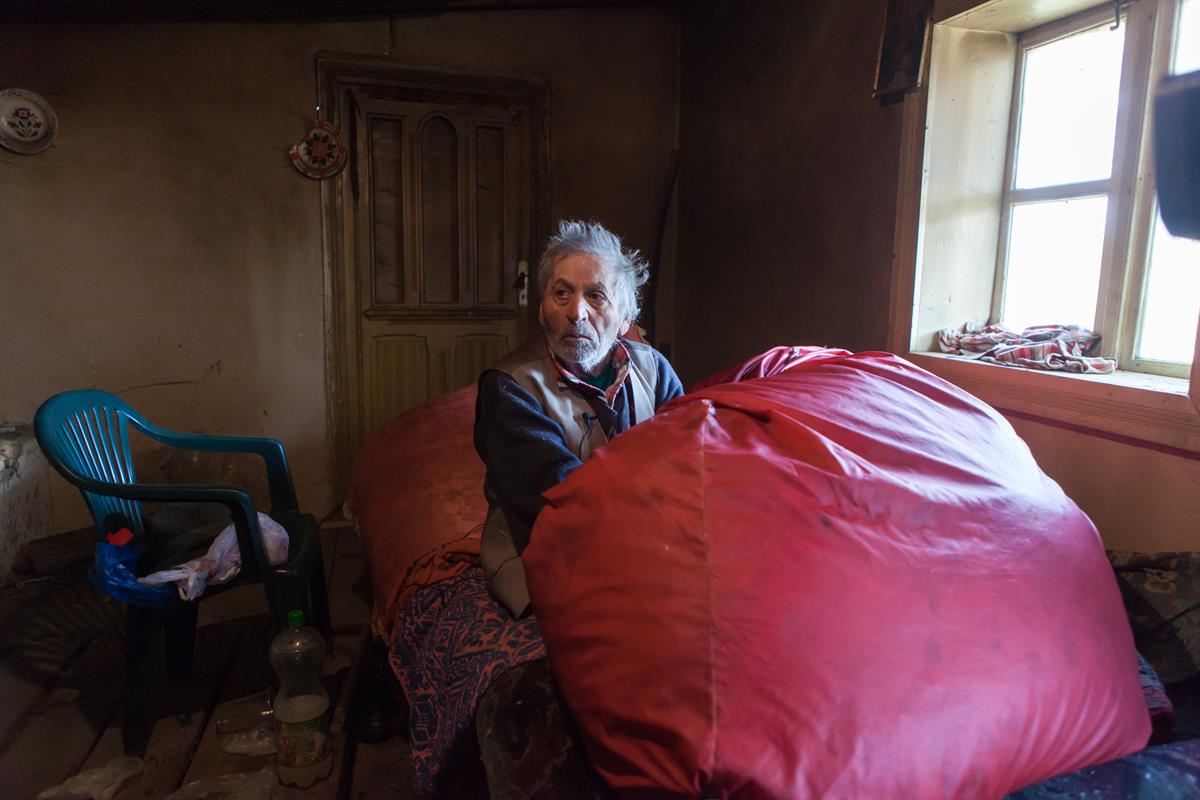
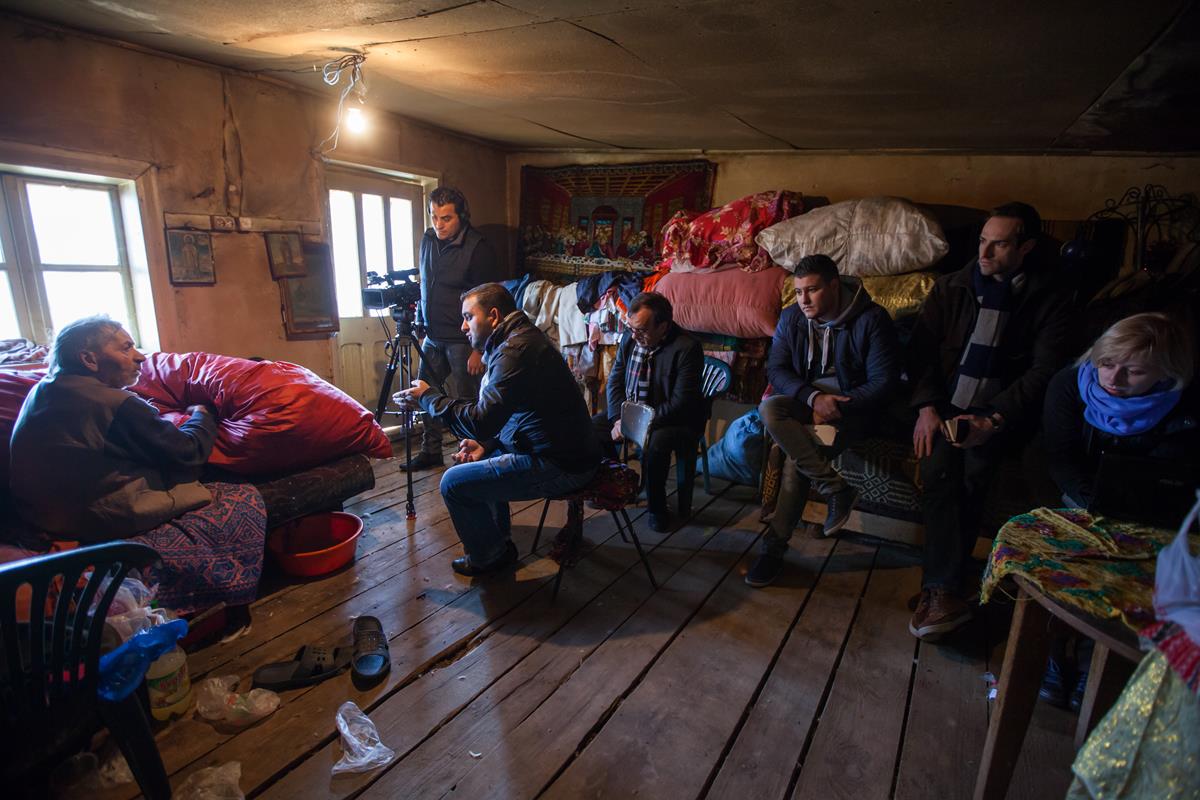
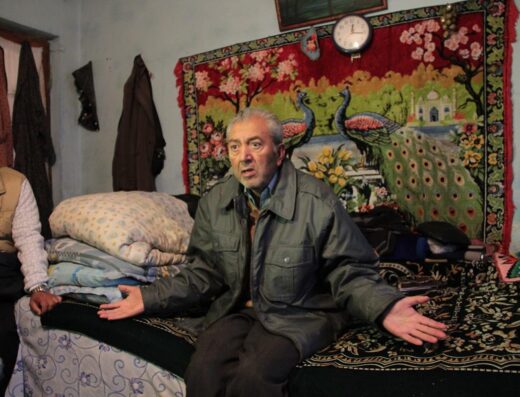
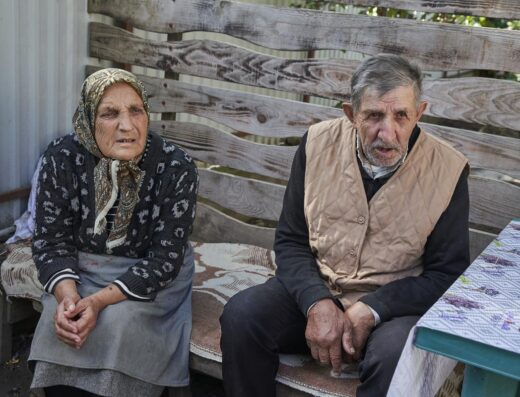
Excerpt from testimony:
“It took them 7 weeks to reach the Bug. They arrived in Tridubi by way of Tiraspol. All their carts were confiscated by the Russians for the kolkhoz. The Roma were placed in dugouts. […]”
Romanian archives (if they exist):
Unfortunately, no archival documents related to the Roma deported from Cioraști have been identified.
Historical note on the Roma:
The village of Cioraști, in the commune of the same name, is located in Galați County, in an agricultural area close to several trade routes. Documented as early as the 15th century, the village was re-established as a market town in 1856. The new market town quickly attracted Jewish, Turkish, Armenian, and Greek traders and craftsmen, as well as a significant number of Roma, who settled in the neighborhood near the Stadium. Around 1900, the market town of Cioraști had 1,498 inhabitants, of whom 670 were Jews and members of other nationalities (MDGR 1901, IV: 75). The 1930 census recorded 2,421 inhabitants in the commune of Cioraști, including 424 Jews and 100 sedentary Roma (RGP 1930, II: 450-451). Groups of căldărari Roma periodically made camp near the market town, probably drawn by its favorable commercial position (its proximity to the Galați–Tecuci railway and the national road) and by the local fairs, where they could sell their products.
Historical note on the deportation:
The interviewee’s family lived in tents during the summer and traveled by cart from village to village to sell metal objects and utensils. The entire family was arrested by gendarmes in the summer of 1942 and sent under escort to Transnistria, probably following the Oancea–Tiraspol route, for nearly 7 weeks.
After arriving in Transnistria, the Roma were relocated to the locality of Tridubi in Golta County, near the Bug. After their carts and animals were confiscated, the deportees were subjected to a regime of forced labor, being made to work on a kolkhoz (harvesting corn) in exchange for small food rations. They were guarded by Ukrainian guards, who treated them abusively. The deportees lived in squalid dugouts and were forced to dig their own well to have access to drinking water. Hunger and typhus claimed numerous victims, including the interviewee’s grandfather.
The repatriation probably took place in the summer of 1944, following the Romanian and German troops retreating in the face of the advancing Red Army. The Roma deportees walked much of the long way home.
Brief note on a Roma subgroup:
Roma căldărari (Roma specialized in metalworking).
Categories
Regions
Video
Location
Related Testimonies
Added By Catalin Biban

Please sign in to see contact details.
 Română
  English