
 >
>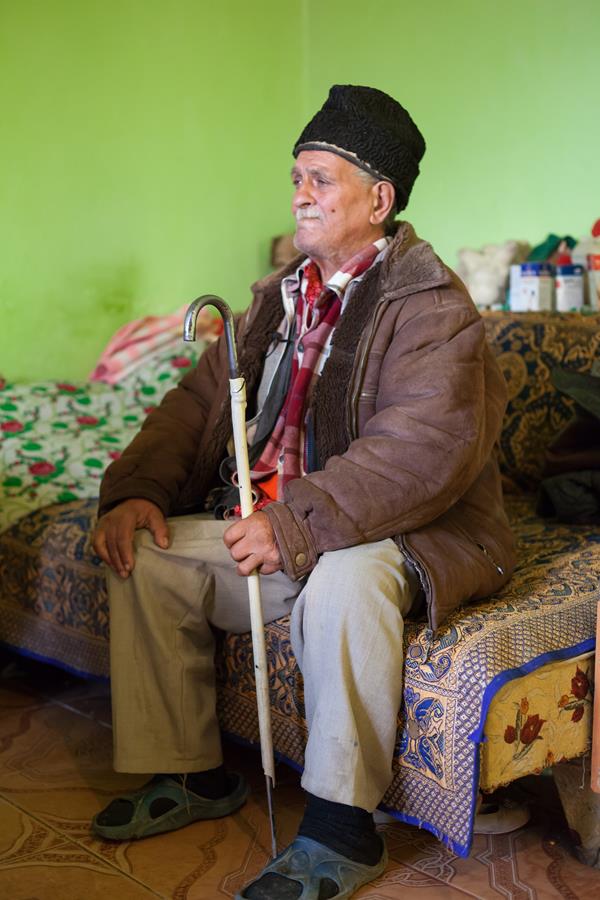
Name of the town: Grivița (commune)
Region, country: Galați County, Moldova region (Romania)
Date of deportation: June – August 1942
Excerpt from testimony:
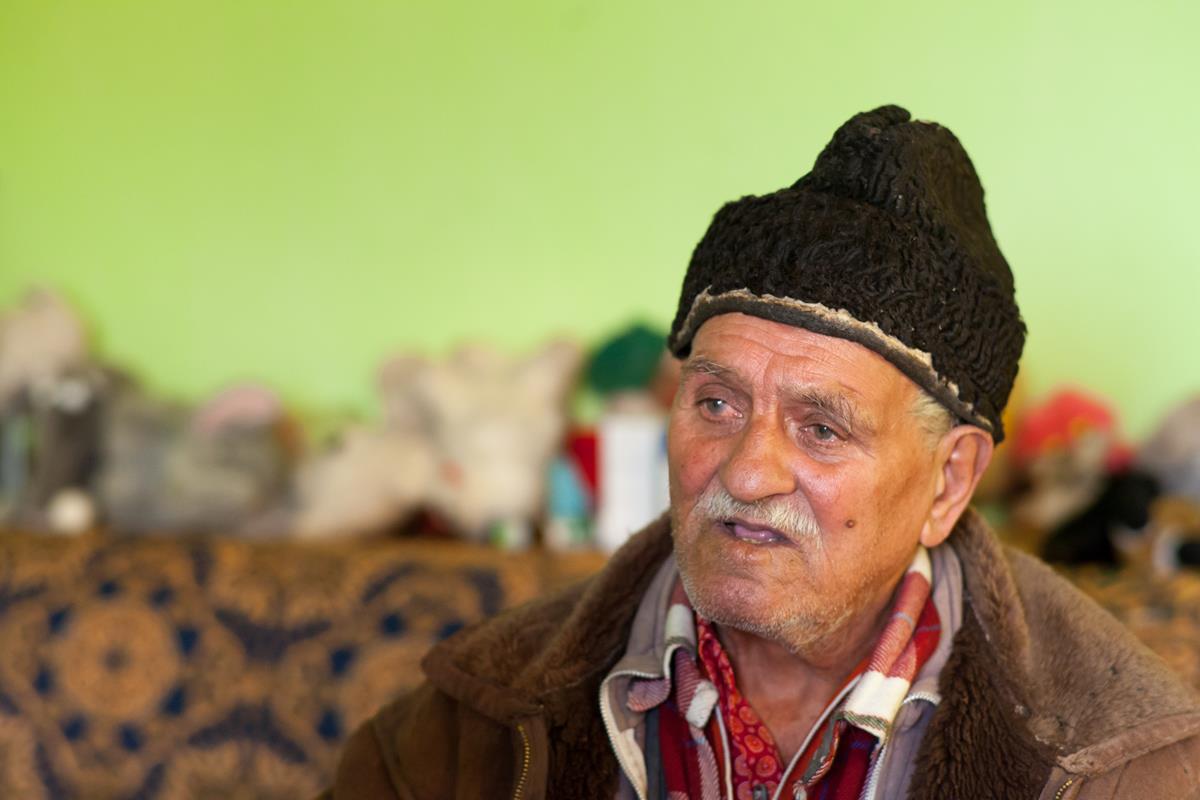
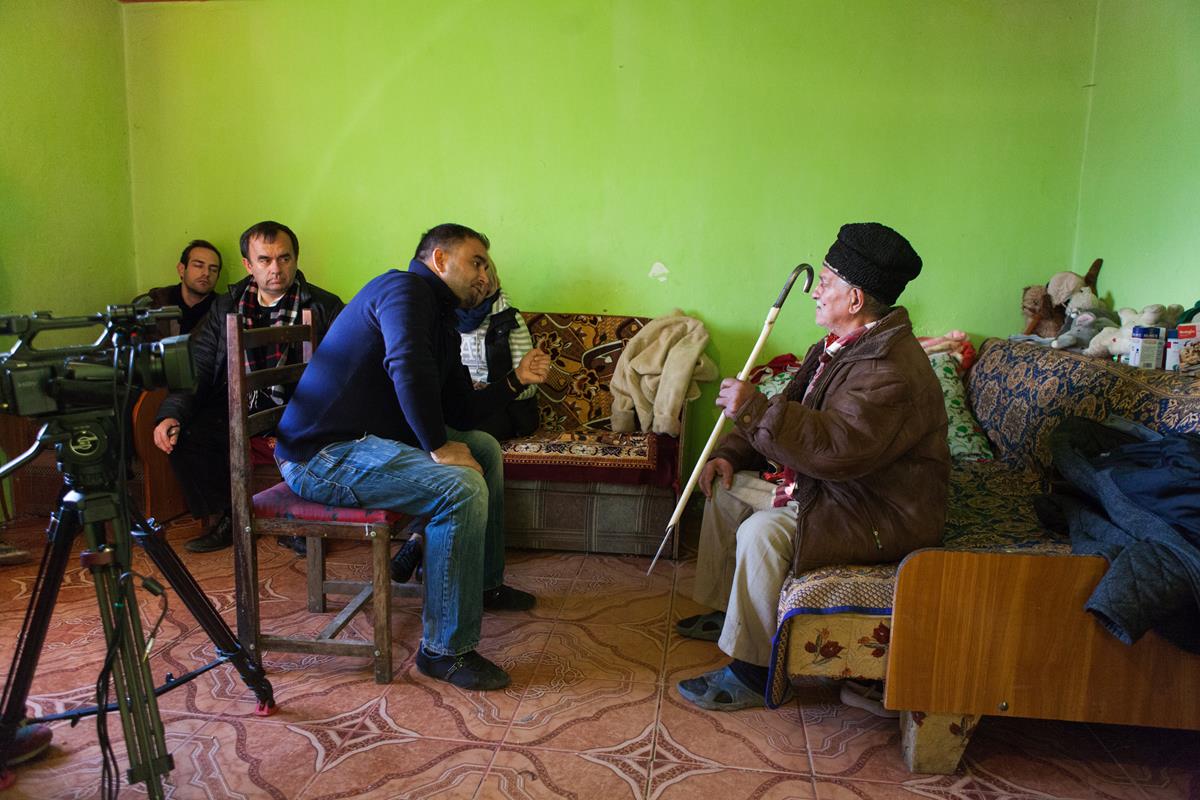
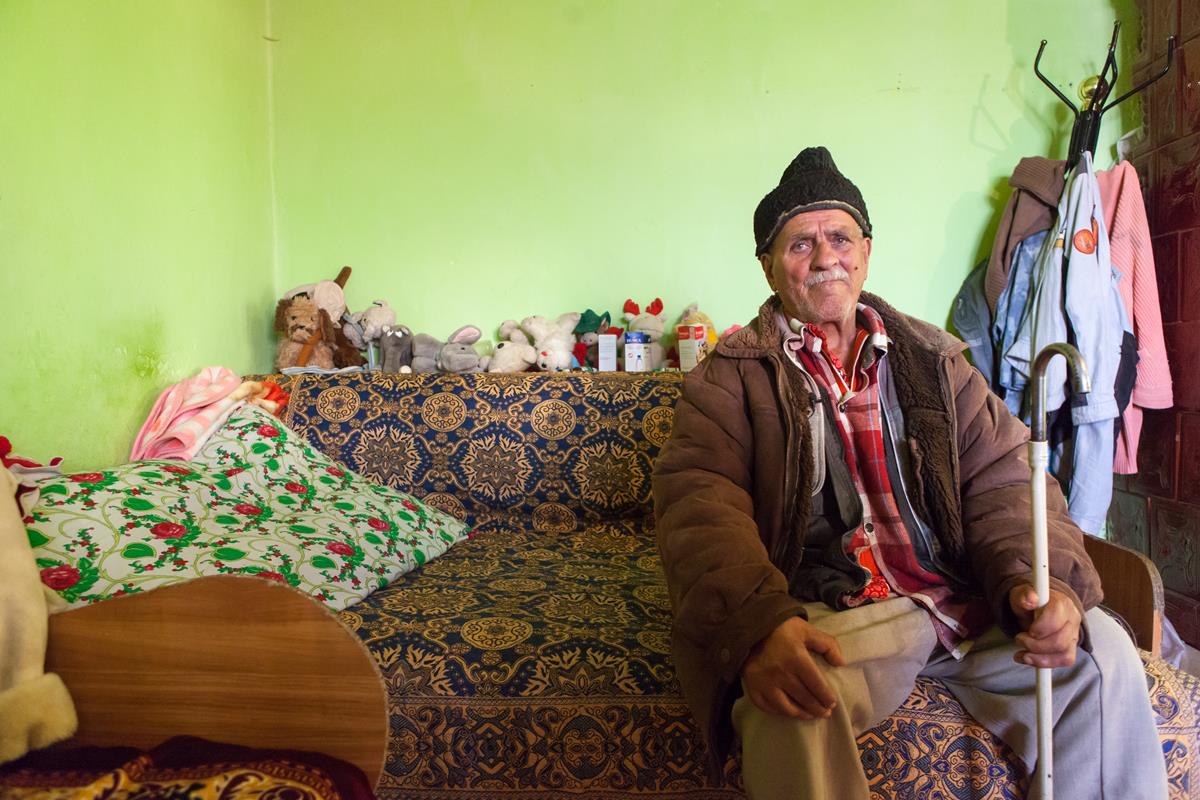
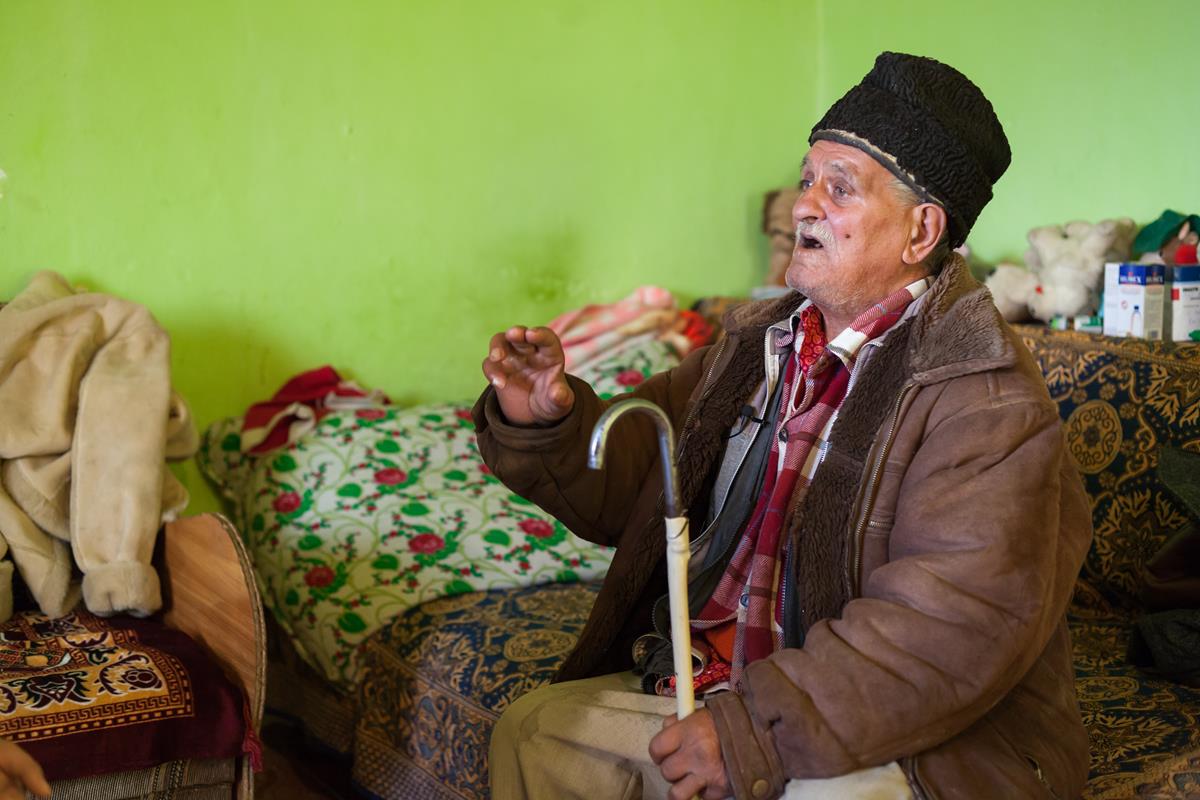
“[…] First they arrived in Tiraspol, where they stayed three or four days. Later they left for Tolobacia. They were allowed to keep their tents, since their carts—in which they had sheltered [until then]—had been confiscated. After some time, they were taken to work in the forest, cutting wood. Some of the Roma had money and could buy food for themselves. They received rations distributed by the Russians and by a Romanian, once a week. During the winter they were moved into dugouts in Tridubi. Living conditions were much harsher, because many deportees no longer had money or food. Many died at the Bug, and their bodies were devoured by dogs.”
Romanian archives (if they exist):
Unfortunately, no archival documents related to the Roma deported from Grivița have been identified.
Historical note on the Roma:
The village of Liești, in the commune of the same name in Galați County, is documented as early as the 15th century. At the end of the 19th century it belonged to Tecuci County and had 2,355 inhabitants (MDGR 1901, IV: 167). The general census of 1930 recorded 3,390 inhabitants in the village, including 16 sedentary Roma (RGP 1930, II: 450-451). Groups of nomadic căldărari Roma also made temporary camp near the village. The interviewee’s family belonged to such a group, which made copper buckets and cauldrons that they sold directly to the villagers or at the fair held in Ivești.
Historical note on the deportation:
The family of Franț Stănescu (10 people and 4 carts) was arrested by gendarmes in the summer of 1942. The gendarmes escorted them from post to post, for nearly two months, along the Oancea–Tiraspol route, until they arrived in Transnistria. Along the way, other carts carrying Roma deportees joined them, forming a long convoy.
After arriving in Transnistria, the Roma deportees had their carts and animals confiscated. They were allowed to keep their tents for shelter. In a first phase, they were relocated near the locality of Tolobacia (?), and later to the locality of Tridubi (Golta County), on the banks of the Bug. Once there, they were moved into dugouts and subjected to a regime of forced labor. The deportees were assigned to cut wood in a nearby forest, receiving meager food rations in exchange. Living conditions were appalling, and the lack of food, typhus, and the cold claimed numerous victims. Many deportees died, and their unburied bodies were devoured by dogs.
The repatriation probably took place in the spring of 1944. Thousands of deportees perished on the way back from the cold, privation, and exhaustion. It appears that the interviewee’s family spent several months in Bessarabia, because the bridges over the Prut connecting to Romania had been destroyed.
Brief note on a Roma subgroup:
Roma căldărari (Roma specialized in metalworking).
Categories
Features
Regions
Video
Location
Related Testimonies


Added By Catalin Biban

Please sign in to see contact details.
 Română
  English