
 >
>
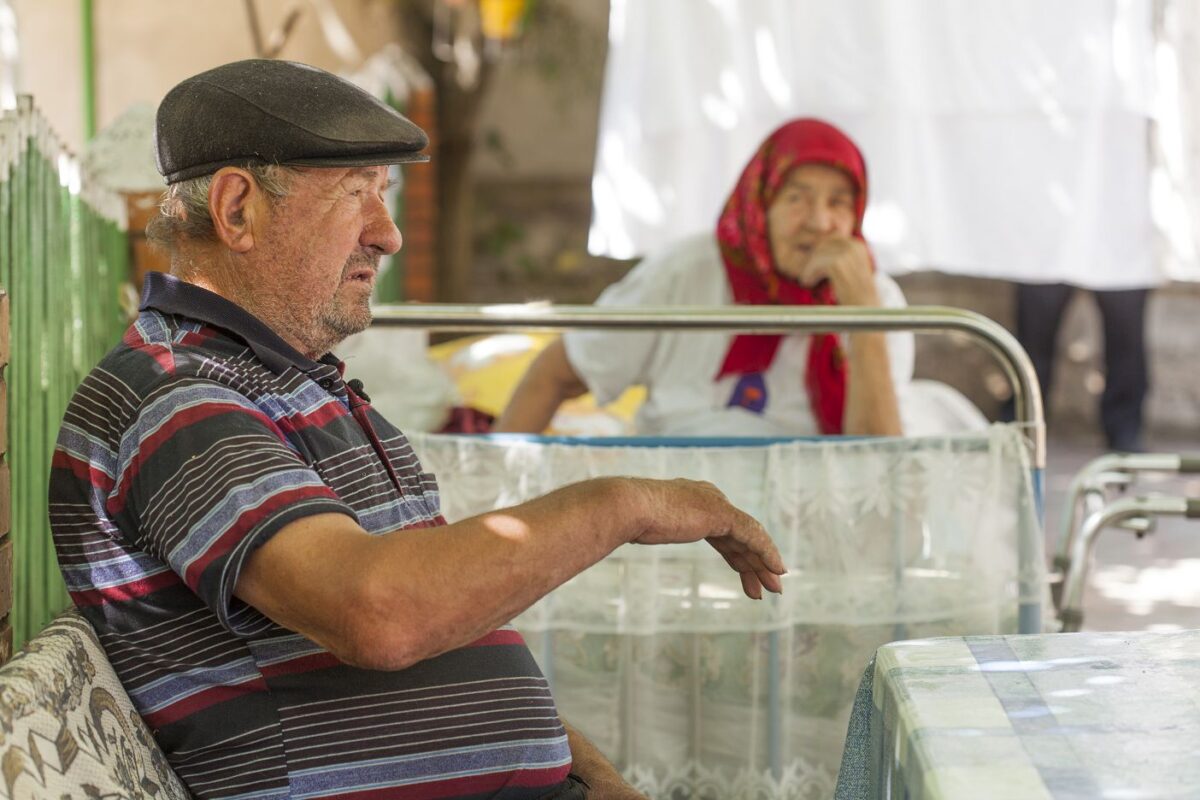
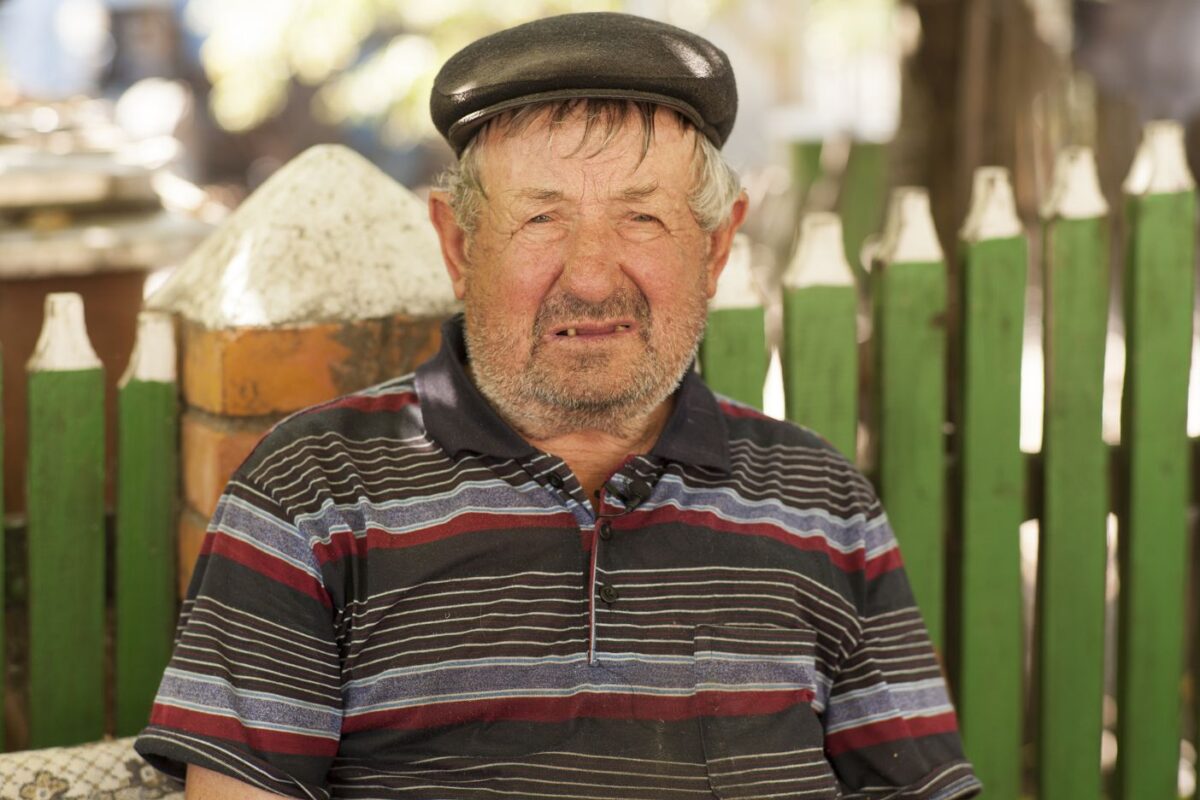
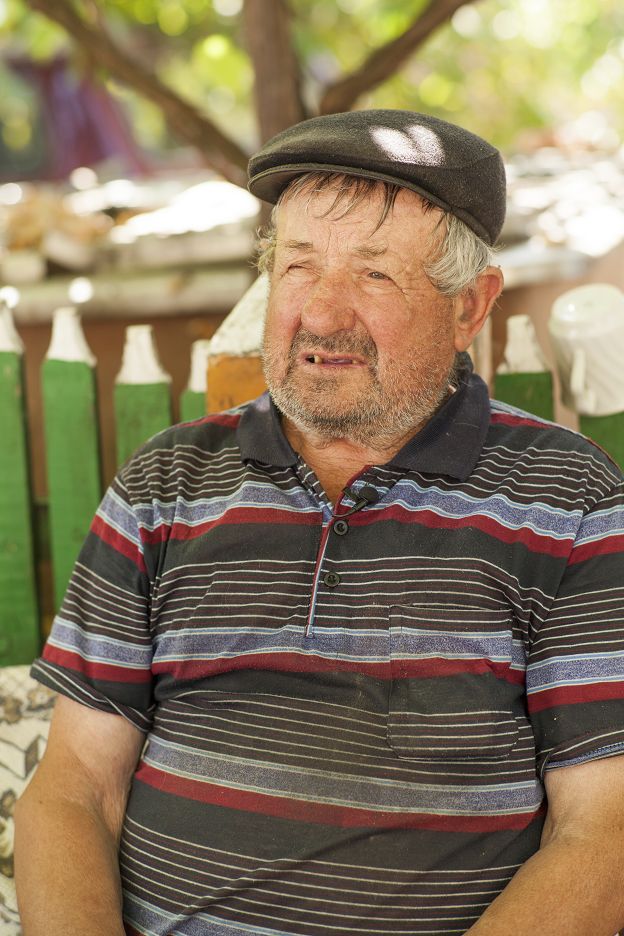
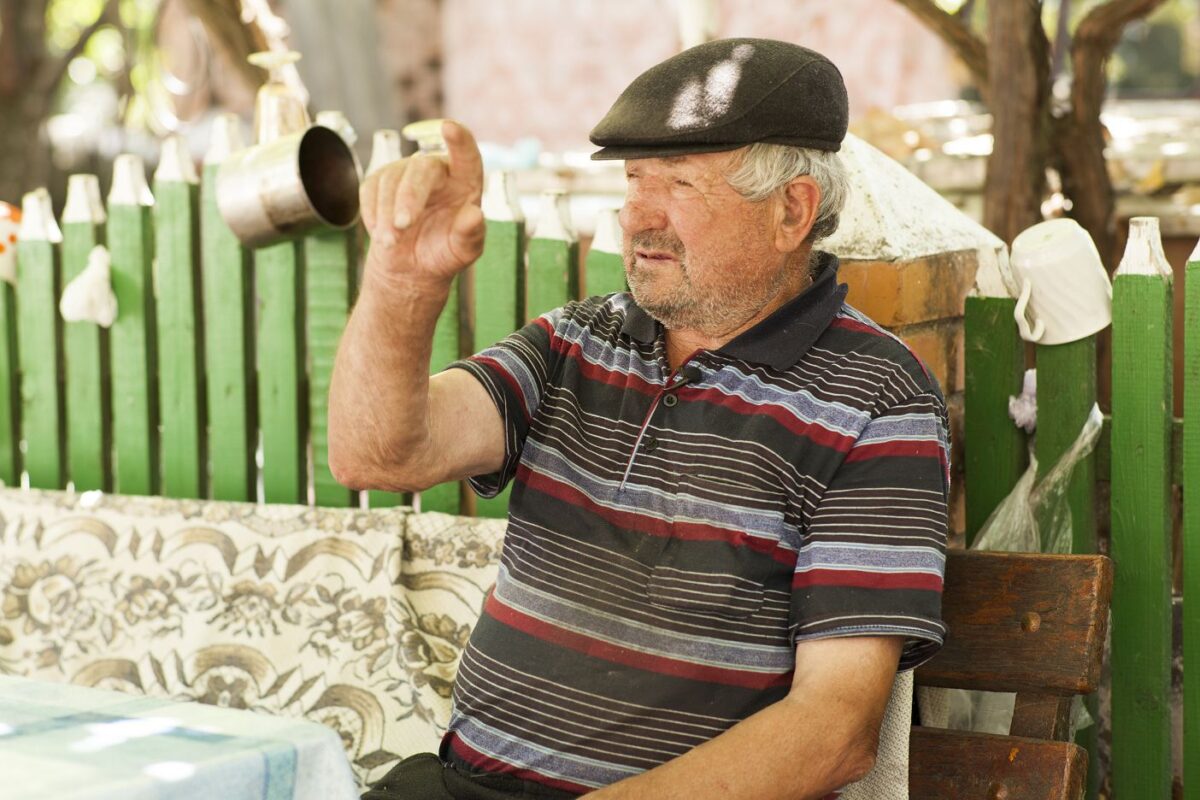
Ermoclia is a village and commune in the Ștefan Vodă District. The village has an area of approximately 4.02 square kilometers, with a perimeter of 12.67 km. Ermoclia is the only village in the commune bearing the same name. The locality is situated 18 km from the town of Ștefan Vodă and 87 km from Chișinău. The village of Ermoclia was first documented in 1770.
Context of the Deportations
Period: September–December 1942 (for sedentary Roma considered “undesirable”).
Reason: The racial policy of the Antonescu regime, which aimed at “cleansing” the territory of populations considered “undesirable.”
Destination: Transnistria, an occupied territory where the Roma were forced to perform unskilled labor.
The history of the Roma in Ermoclia, like that of the Roma throughout Moldova, is an ancient one, with deep roots beginning with the first indirect attestations from the 15th century, when they were tied to the land, but often under various forms of servitude (slavery). They constituted an ethnic community with distinct traditions, shaped by the history of Moldova, facing major challenges related to discrimination, but also possessing a rich culture, being an integral part of the ethnic landscape of the region.
General Historical Context of the Roma in Moldova
First Attestations: The presence of the Roma (Gypsies) in Moldova is documented as early as the 15th century (1414), when they were listed in princely charters, some alongside knezes (local nobles), indicating an early integration, although often under the status of serfs or slaves.
Roma Slavery: A crucial period was slavery, which lasted for centuries. The Roma were the property of boyars, monasteries, or even the state, being sold, bought, and treated as property. This was a central aspect of their history in both Moldova and Wallachia.
Emancipation: The emancipation of the Roma slaves, which took place during the 19th century, was a complex process that was completed only toward the end of the century, marking a major turning point.
The Soviet and Post-Soviet Period: Under the Soviet regime and during the post-Soviet period, the Roma in the Republic of Moldova continued to face prejudice and marginalization, although efforts were made toward their integration and cultural recognition.
The Specific Situation of the Roma in Ermoclia
Ermoclia, being a rural locality, most likely hosted Roma communities practicing traditional crafts (blacksmiths, coppersmiths, sheepskin coat makers, and musicians), who settled in the area and were connected to occupations traditionally associated with their ethnic group.
Unfortunately, specific public information about Ermoclia is more difficult to find. However, its history fits the general pattern of Roma communities in Bessarabia: adaptation, preservation of traditions, and at the same time, struggles for identity and rights.
Categories
Features
Regions
Video
Location
Related Testimonies
Added By Catalin Biban

Please sign in to see contact details.
 Română
  English