
 >
>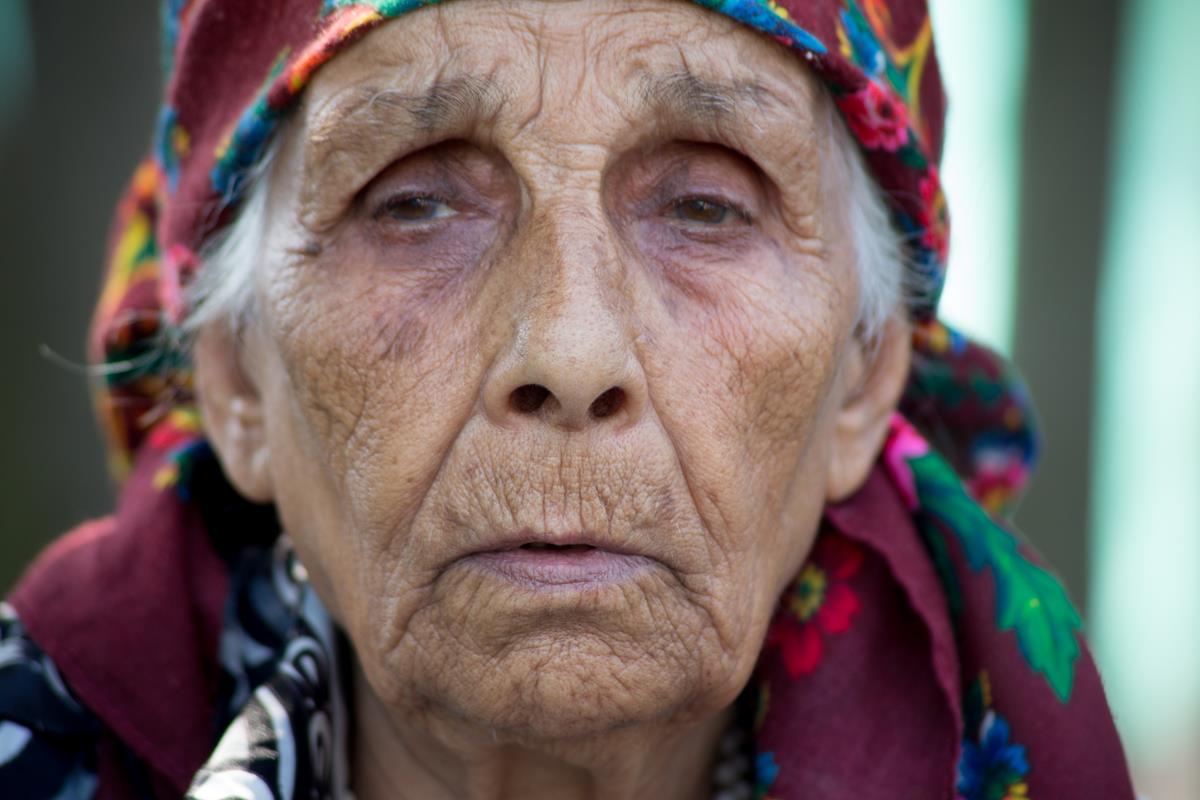
Name of the town: Gulia (village, town of Dolhasca)
Region, country: Suceava County, Moldova region (Romania)
Date of deportation: September 1942
Excerpt from testimony:
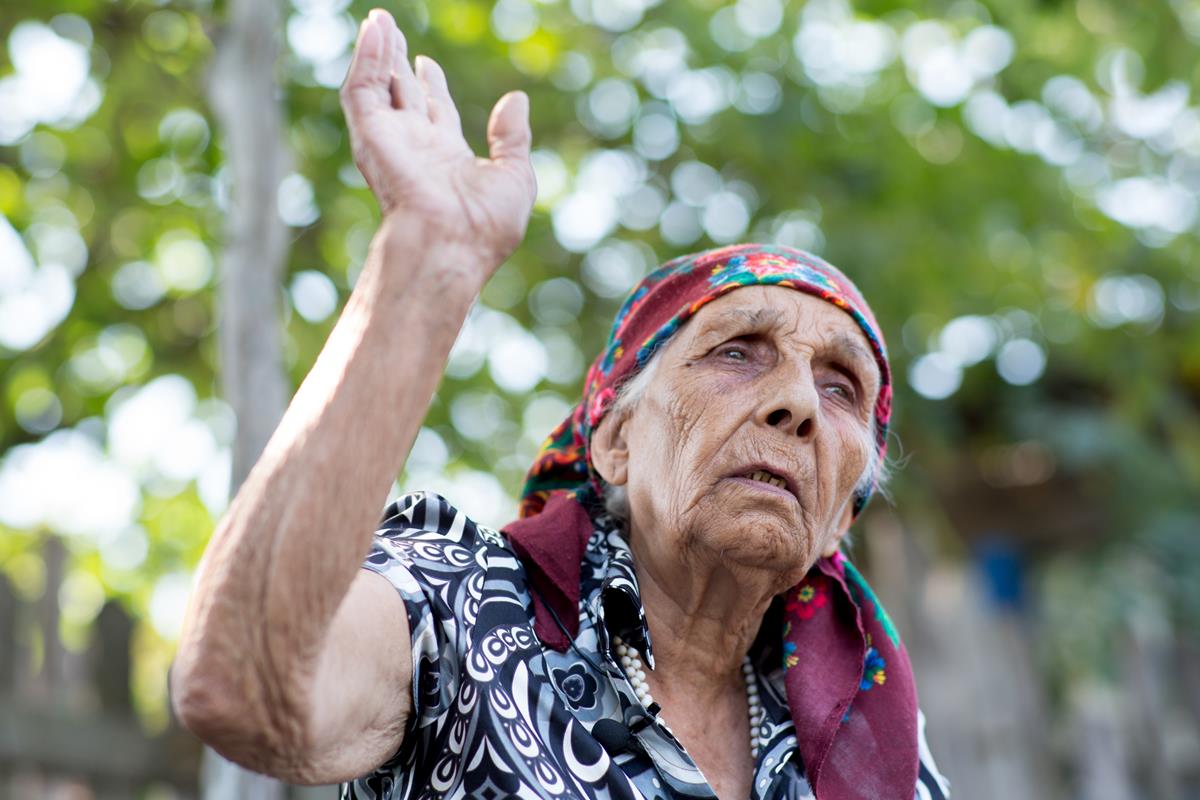
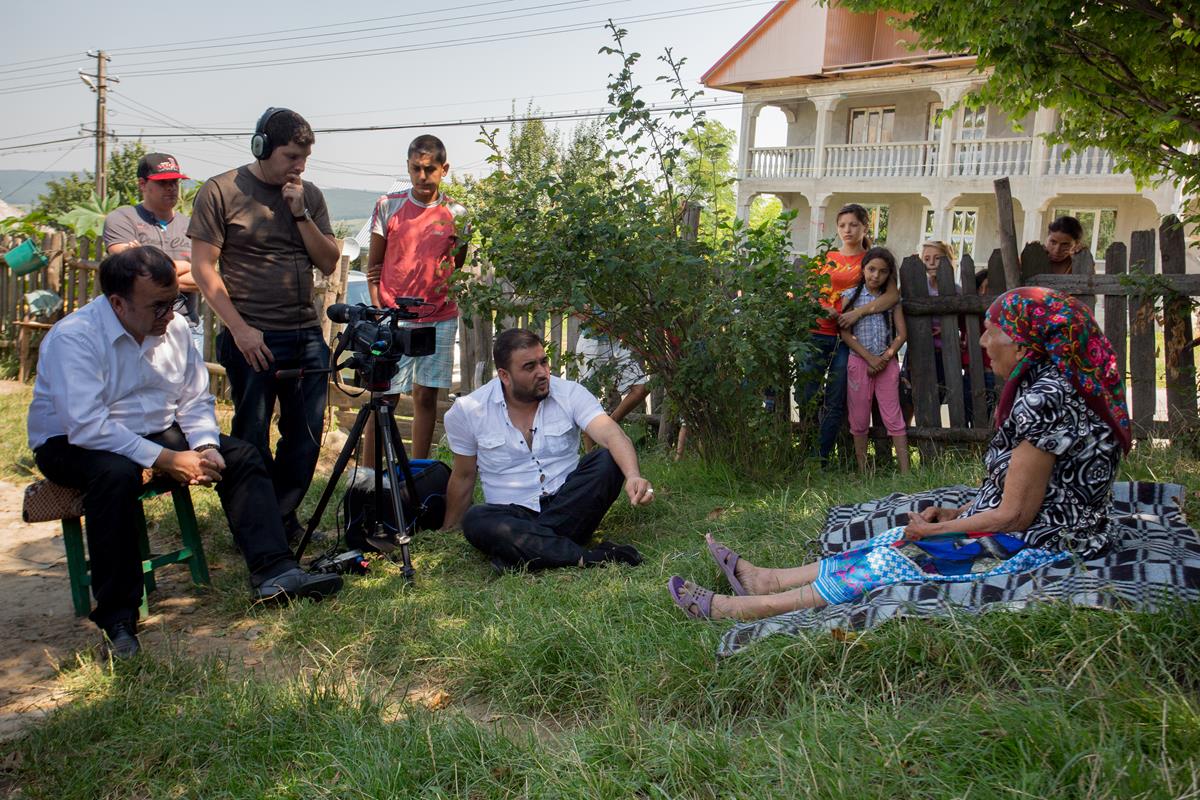
“[…] At first, the interviewee was housed in a house surrounded by a wall, not far from the village of Lavorușino (Ukraine). Upon arrival, lists were drawn up, and in accordance with these lists, the Roma received rations of flour and potatoes. […] They drew water from a well also used by the local Russians. The Roma were made to work the Russians’ land. Those who died were buried in mass graves.”
Romanian archives (if they exist):
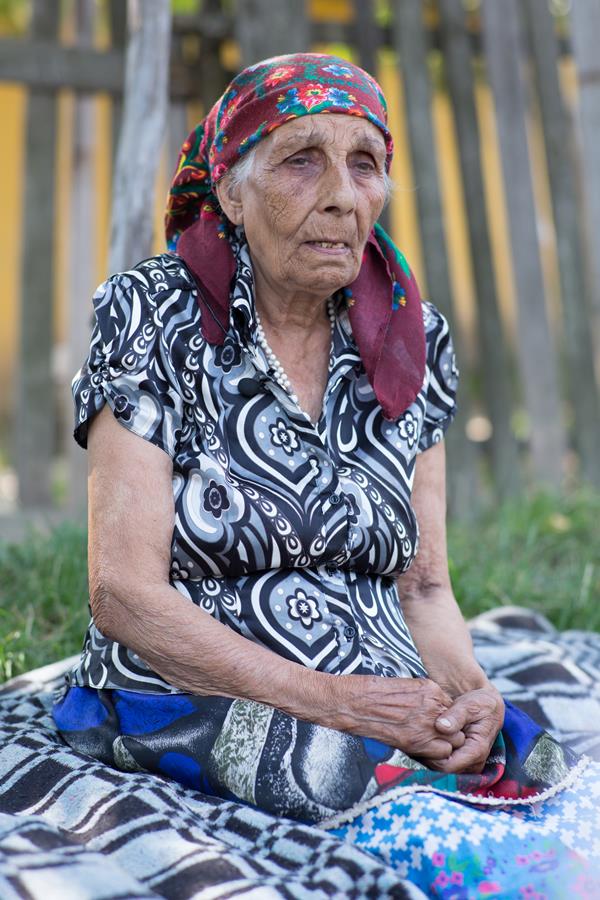
The interviewee, Ruza Lăcătușu, appears on the list of sedentary Roma deported from the commune of Dolhasca (to which the village of Gulia belonged in 1942). The Baia Gendarme Legion included her on this list (her name spelled as “Lăcătușu V. Roza”), together with her entire family (Romanian national archives (ANI), General Inspectorate of the Gendarmerie fonds (fond IGJ), file no. 127/1942: f. 100).
Historical note on the Roma:
Dolhasca is home to one of the largest communities of traditional Roma in the Bukovina region. The village of Gulia belongs to the town of Dolhasca and is located approximately 44 km from the city of Suceava. At the end of the 19th century, several Roma communities (ursari, pieptănari [comb-makers], and blacksmiths) appear to have settled on the outskirts of the village of Gulia. Around 1900, Gulia had 250 families, or 796 inhabitants (MDGR 1900, 3: 661). The general census of 1930 identified 1,286 inhabitants in Gulia, including 242 Roma and 3 Jews (RGP 1930, II: 44-45).
Historical note on the deportation:
Ruza Lăcătușu was born in the village of Gulia into a family of lăutari Roma. Her parents and their six children were placed by the Baia Gendarme Legion on the list of “undesirable” Roma and proposed for deportation in the summer of 1942. Gendarmes from Dolhasca removed them from their own household in September 1942 and escorted them to the local railway station. Once there, they were loaded into freight cars and, after a short stop in Iași, set off for Transnistria on September 16 (ANI, fond IGJ, file no. 127/1942: f. 128).
After arriving in Transnistria, the deportees were relocated near the village of Lavorușino and subjected to a regime of forced labor (they worked the land of the local Ukrainians in exchange for small rations of flour and potatoes). Despite the threat of reprisals, some deportees left the village clandestinely in search of…
Categories
Features
Regions
Video
Location
Related Testimonies
Added By Catalin Biban

Please sign in to see contact details.
 Română
  English