
 >
>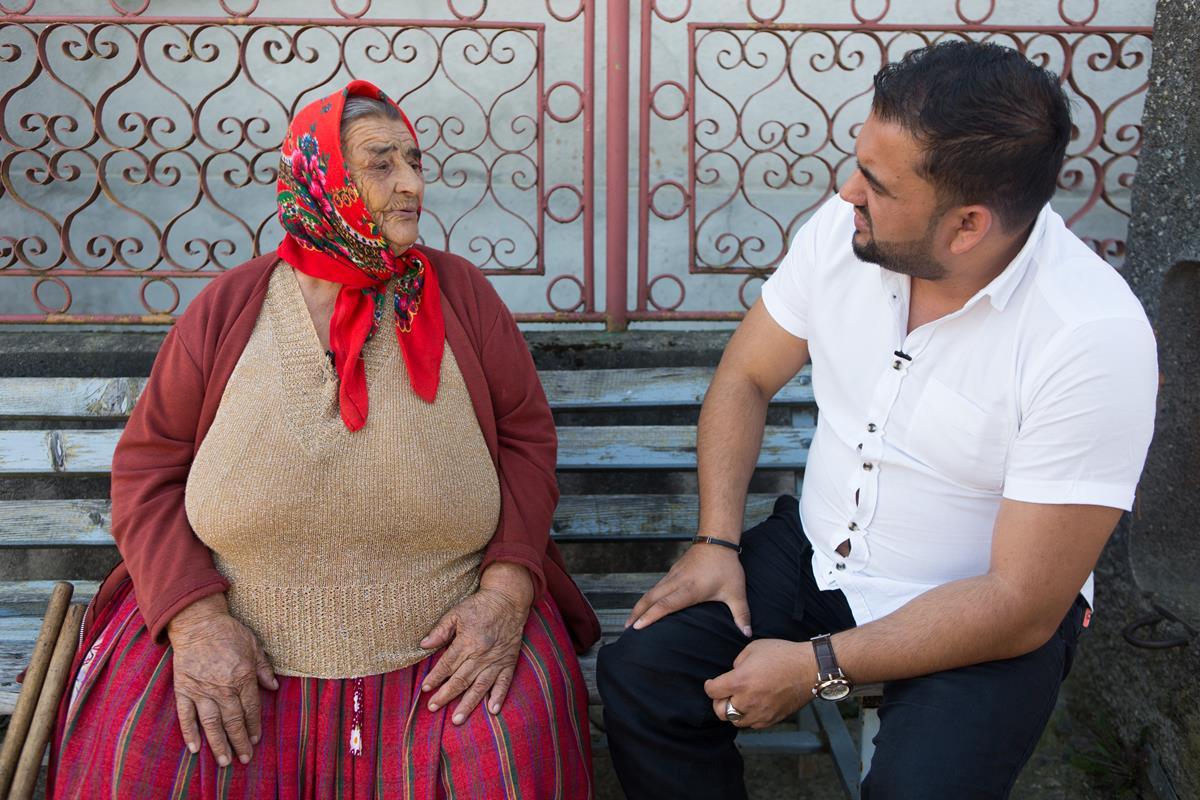
Name of the town: Arpașu de Jos (village, commune of Arpașu de Jos)
Region, country: Sibiu County, Transylvania region (Romania)
Date of deportation: June – August 1942
Excerpt from testimony:
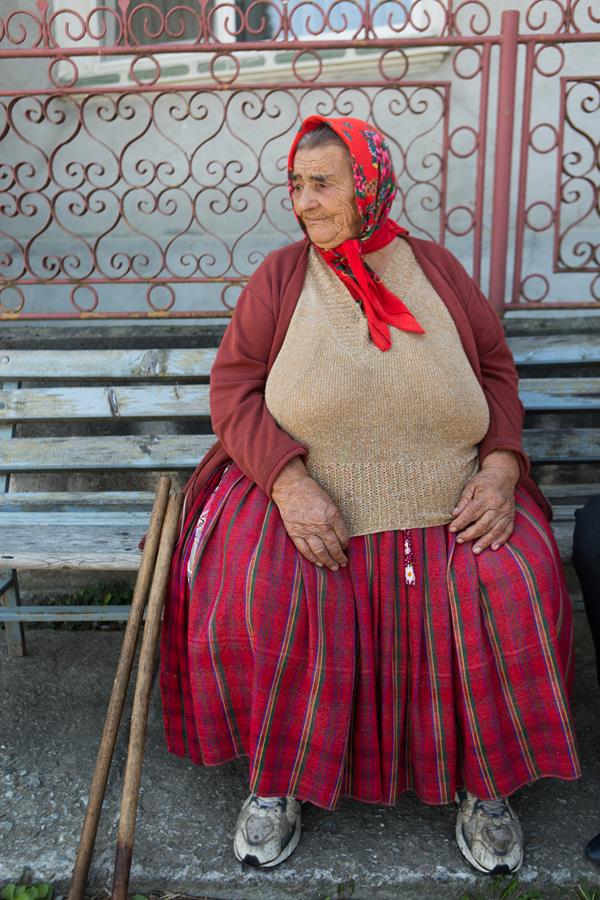
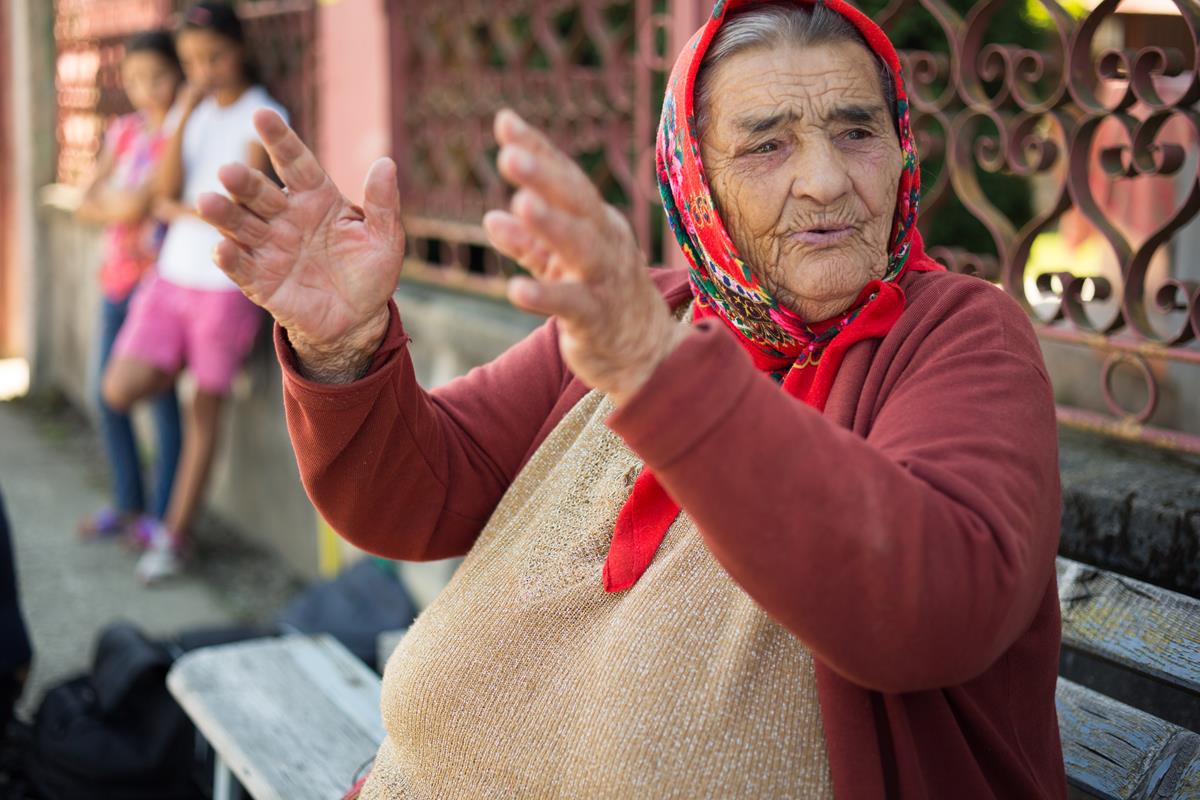
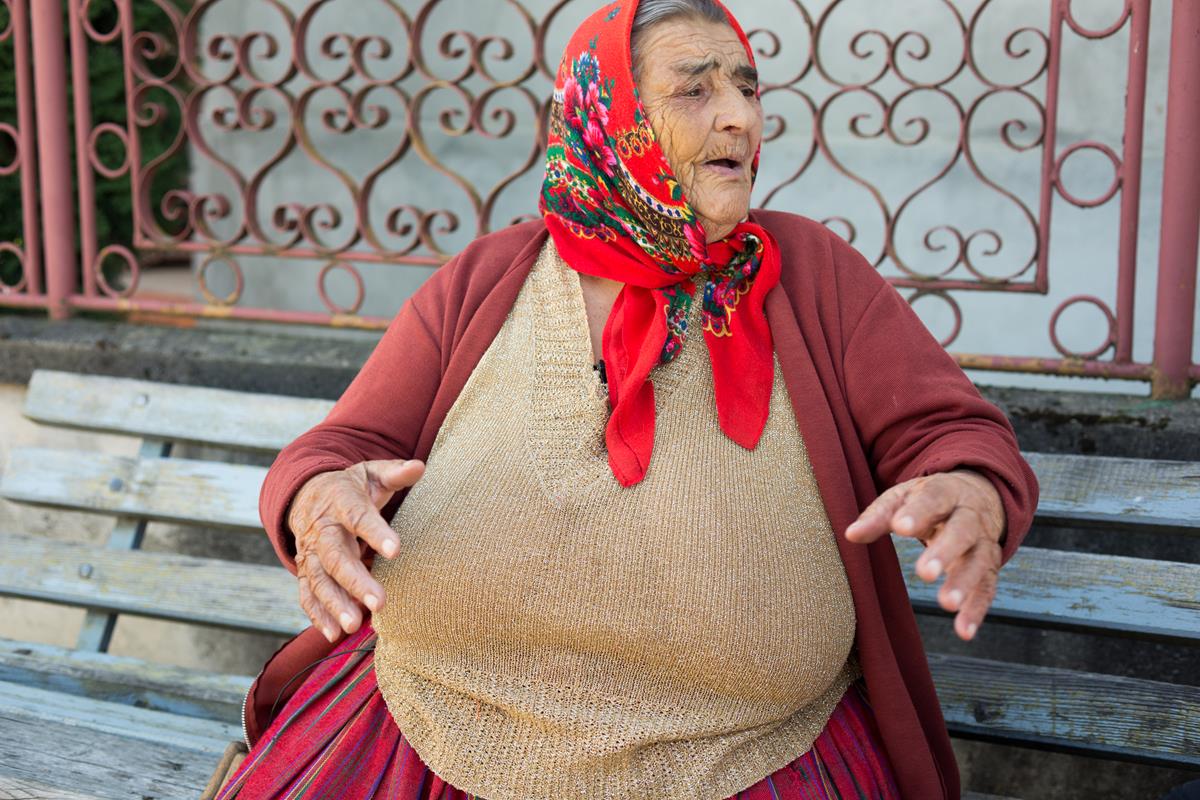
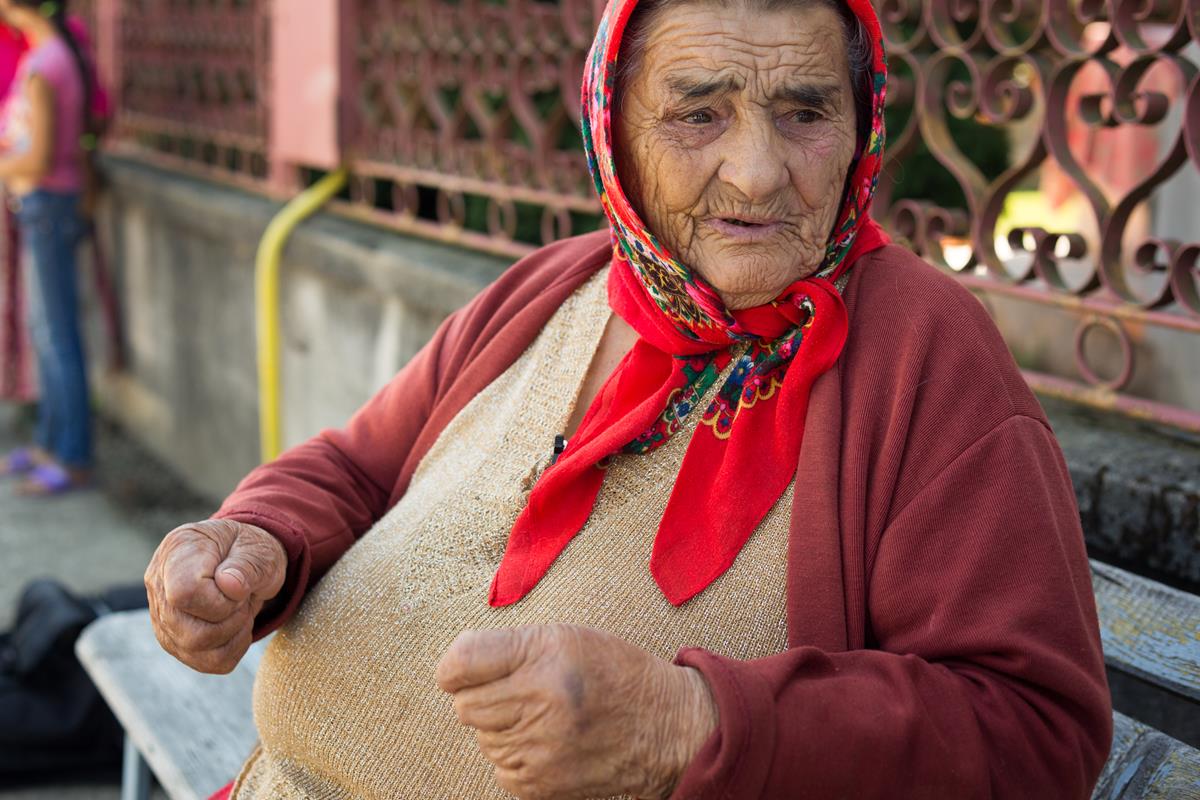
“The interviewee was [deported] to Krimka together with the group she belonged to. They were relocated to dugouts outside the village. In the [following] spring, they were sent out to do agricultural work. They were paid in food. Out of pity, the villagers sometimes gave them food as well. They drew water from the wells in the village. Many died there of hunger. Their bodies were buried in mass graves. The interviewee lost five members of her family, including her father, mother, and grandmother.”
Romanian archives (if they exist):
A report of the Golta District Praetura (Pretura raionului Golta), dated August 13, 1943, mentions thefts committed by Roma deportees within the area of the Krimka gendarme post, where the family of Lisaveta Căldăraru was also deported. Driven by material deprivation, these deportees went secretly into the surrounding forest and villages to obtain firewood and agricultural produce, despite the gendarmes’ threats of severe reprisals (Achim, Documente, 2: doc. no. 454).
Historical note on the Roma:
Arpașu de Jos (in German, Unterarpash; in Hungarian, Alsóárpás) is the seat of the commune of the same name in Sibiu County, located approximately 45 km from the city of Sibiu. Situated on the left bank of the Olt River, Arpașu de Jos is one of the oldest villages of the Făgăraș Country (Țara Făgărașului), documented as early as 1223 (Diaconovich 1898, I: 270).
The population was predominantly Romanian; the 1850 census also recorded 53 Roma, out of a total of 903 inhabitants (SCT 1996, 300-301). In 1930, 111 Roma were counted in the commune, out of a total of 1,179 inhabitants (RGP 1930, II.1: 192-193). According to the testimony of Lisaveta Căldăraru, alongside these sedentary Roma, another 30 families of nomadic Roma lived in the village during the interwar period. They made copper cauldrons and utensils and also traded horses.
Historical note on the deportation:
The family of Lisaveta Căldăraru was arrested in the village of Arpașu de Jos by gendarmes in the summer of 1942, under the pretext that they would be sent to the Bug to be given work. The deportation was carried out with their own cart; the Căldăraru family joined a convoy that was escorted by gendarmes, from post to post, to the border. The roll of deportees was checked regularly, and Roma who did not comply with the orders of the escorting gendarmes were harshly punished.
After a journey of nearly a month and a half, the family of Lisaveta Căldăraru arrived in Transnistria. The group was relocated to the commune of Krimka (Golta County) and spent the first winter in dugouts dug near the village. In the spring of 1943, the deportees were subjected to forced labor, taking part in agricultural work in exchange for food rations. Sometimes the deportees also received food from the local Ukrainians. As the rations were insufficient, some Roma went secretly to the surrounding villages and into the forest to obtain food and firewood. The threat of severe reprisals was ever present: the interviewee heard that two Roma were shot for having gone off to steal some onions. Many deportees died from the lack of food, and their bodies were buried in a mass grave. Lisaveta Căldăraru lost five members of her family in Transnistria, including her father, mother, and grandmother.
The repatriation probably took place in the spring–summer of 1944, when the Romanian and German troops began to withdraw from Transnistria in the face of the advancing Red Army. Lisaveta Căldăraru and other Roma survivors boarded a freight train and traveled to Romania (Brașov).
Brief note on a Roma subgroup:
Lisaveta Căldăraru belongs to the group of căldărari Roma (Roma specialized in metalworking).
Categories
Features
Regions
Video
Location
Related Testimonies


Added By Catalin Biban

Please sign in to see contact details.
 Română
  English