
 >
>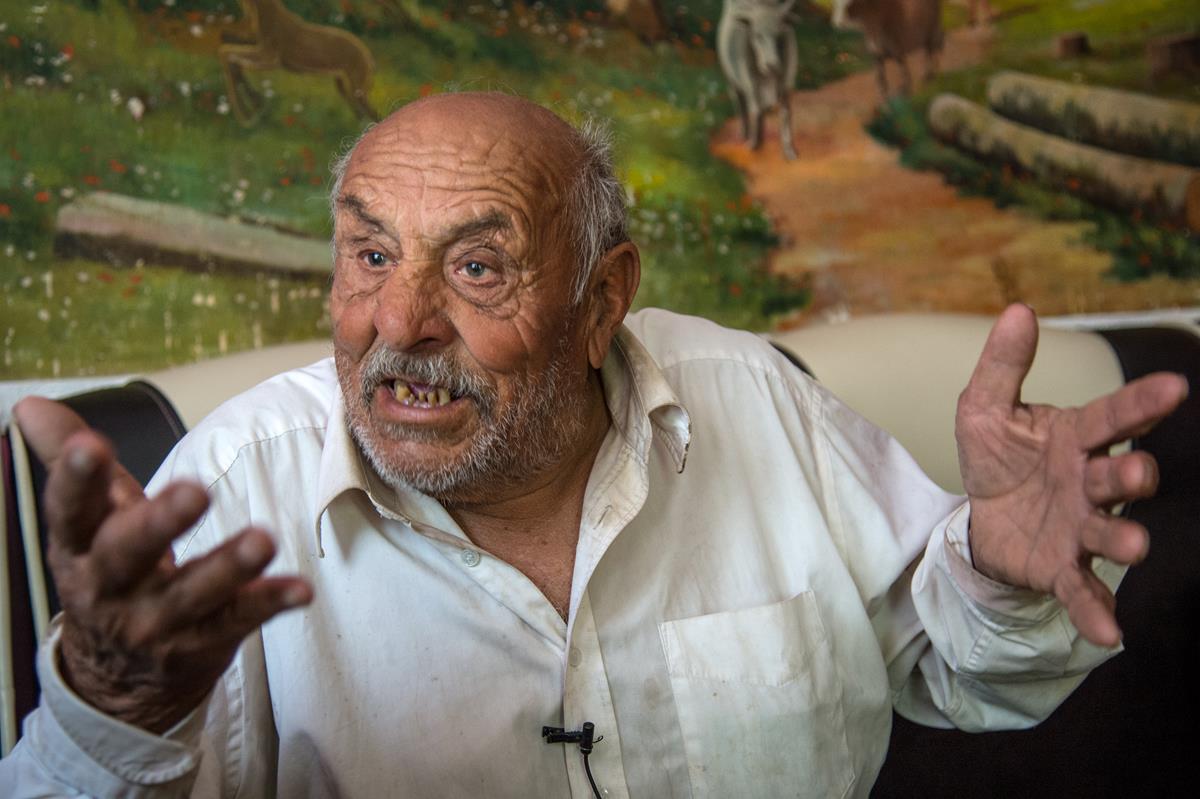
Name of the town: Iași (city)
Region, country: Iași County, Moldova region (Romania)
Date of deportation: June – August 1942
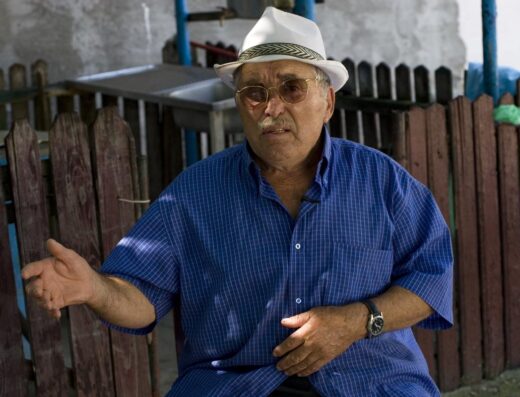
Excerpt from testimony:
“They were arrested in Iași by gendarmes, who took them under escort and confiscated their encampment booklets (carnete de sălaș), in which all the names [of the Roma] were recorded. They passed through Pașcani, Roman, and Călărași. They stopped only in the evening to sleep, and the next morning they continued on their way […]. They were ‘free,’ but they had no identity papers—these had been confiscated by the gendarmes—so they could not travel. They were all forced to work on the construction of the road. They still had all their money. They lived in their own tents and received no food […]”
Romanian archives (if they exist):
Unfortunately, no archival documents related to the Roma deported from Iași have been identified.
Historical note on the Roma:
The city of Iași, located in the northeast of the Moldova region, is home to one of the largest Roma communities in Romania. Documented in the capital of Moldavia as early as the 15th century, the Roma gradually settled in the neighborhoods surrounding the princely court, the monastic estates, and certain commercial and artisanal centers of Iași (Rădvan 2005, 60-61). More precise figures on the Roma population appear in the 19th century. In 1832, Iași had approximately 60,000 inhabitants, including 1,487 Roma, who worked as craftsmen (blacksmiths, brickmakers), as musicians (renowned lăutari such as Barbu Lăutaru), or served at the boyar courts as enslaved cooks, coachmen, and the like (Rădvan 2005, 65-66). Following the adoption of the emancipation laws (1844–1855), the Roma were transformed from slaves into free inhabitants (also called dezrobiți, “the emancipated”) and registered as taxpayers.
After 1918, the Roma community of Iași underwent important transformations. The liberal climate of the interwar period favored the emergence of the first Roma civic organizations. A branch of the General Union of Roma in Romania (UGRR), with six local subcenters, operated in Iași; according to the UGRR’s internal statistics, it counted 9,977 members (Potra 1939, 125). This figure does not match the data obtained in the 1930 census, which identified only 340 sedentary Roma in the city of Iași (RGP 1930, 2.1: 246). In addition, groups of nomadic Roma settled in the communes surrounding the city. According to the testimony of Nica Stănescu, they traveled from village to village to perform seasonal work, to trade, or to sell their products (cauldrons and copper utensils). When they stopped in a village, their encampment booklet was stamped by the head of the gendarme post or by the town hall.
Historical note on the deportation:
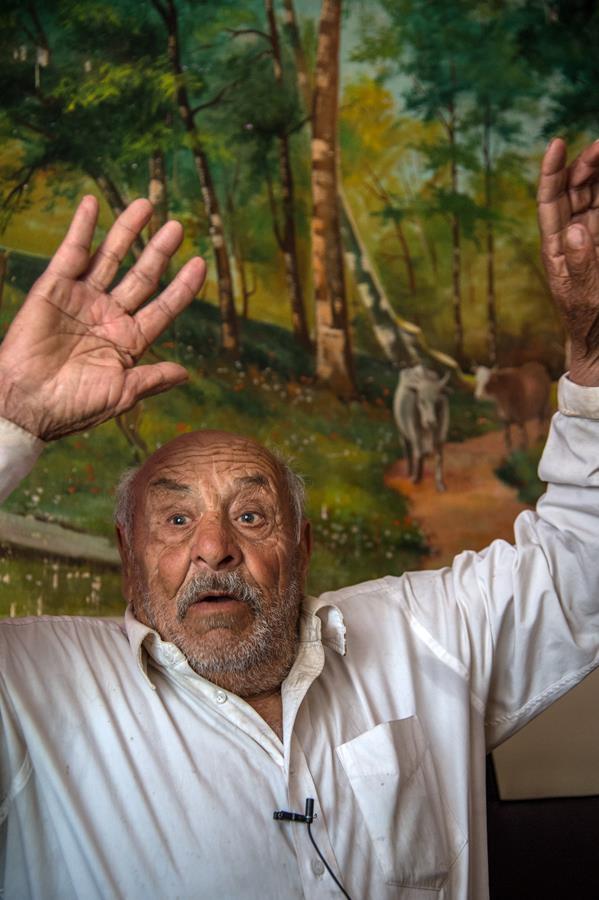
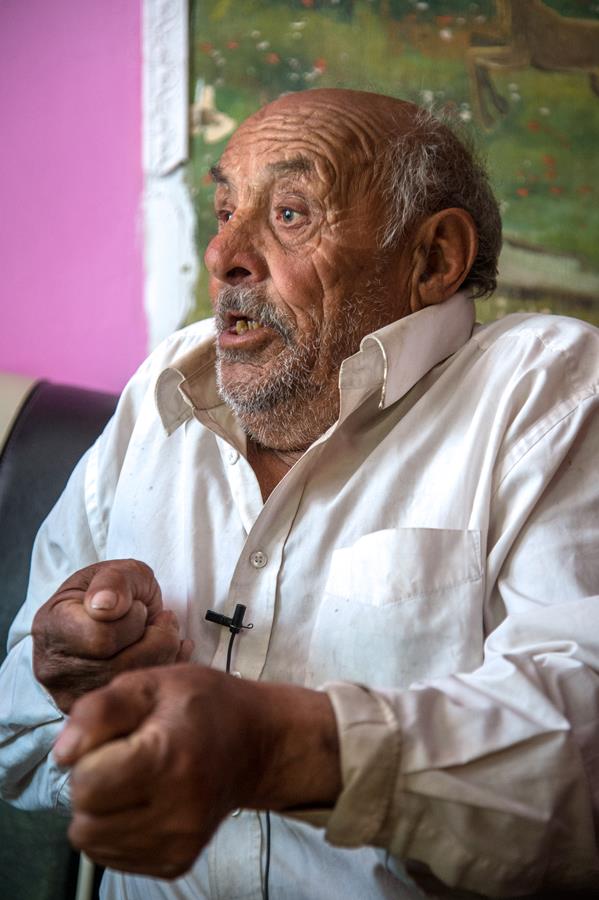
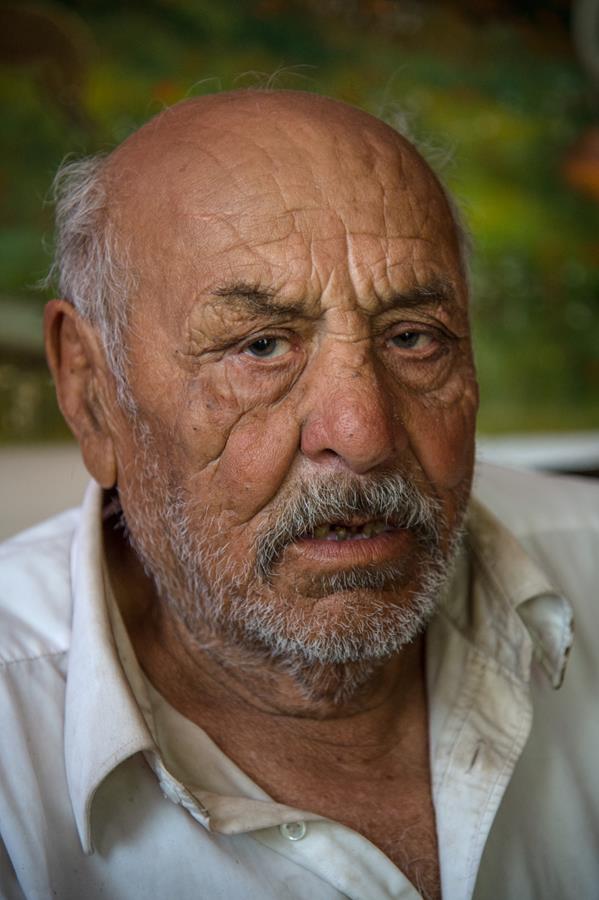
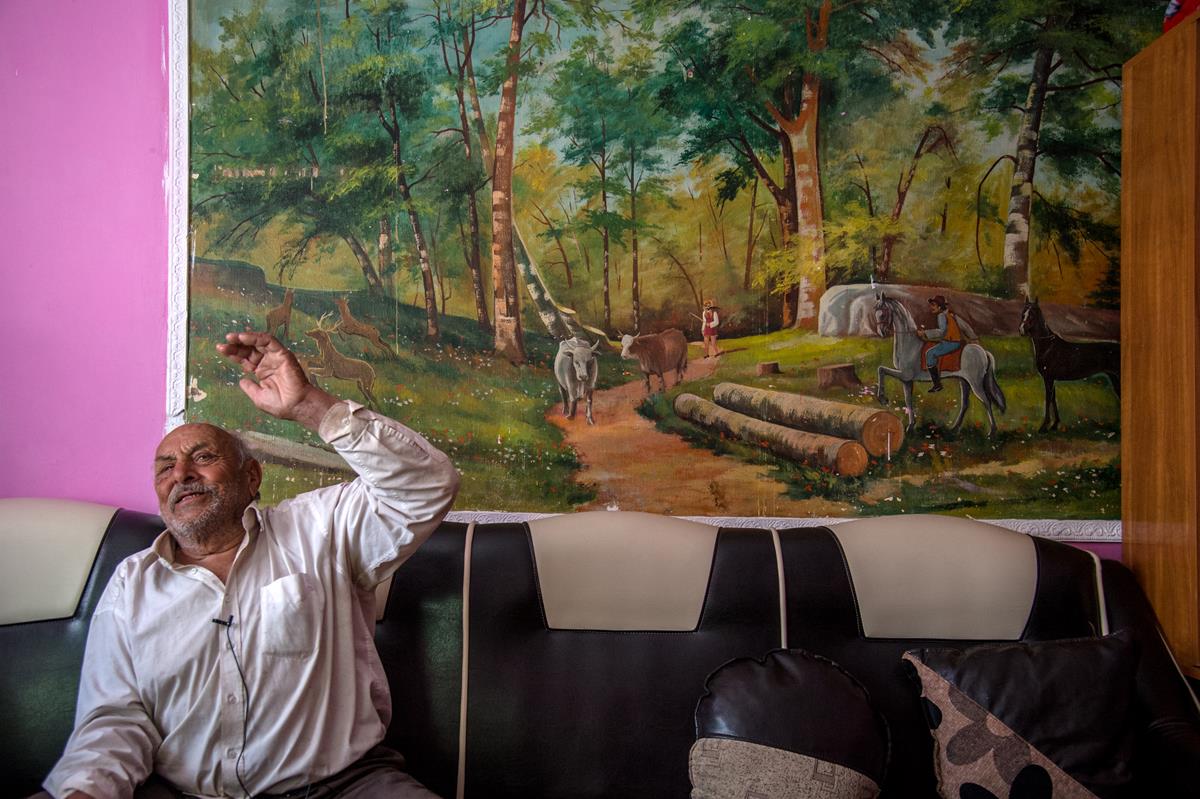
The family of Nica Stănescu traveled through the localities on both banks of the Prut River to sell their products and trade with the villagers. In the spring of 1942, the family was arrested by gendarmes in Iași. After their encampment booklet was confiscated, the family was sent under escort to Vișani, near Brăila, where several groups of căldărari Roma had been concentrated and subjected to forced labor (the construction of a road in the locality).
Nica Stănescu recounts how, after nearly a year spent in Vișani, his family was sent to Transnistria. The route followed by the convoy of carts passed through the cities of Galați, Cetatea Albă, and Tiraspol. Once in Transnistria, his family was relocated to several localities, including Domanevka and Krivoye Ozero. For a time, they lived in their own tents and were supervised by the local (Ukrainian) police forces. The toll was particularly painful: four members of the Stănescu family lost their lives in Transnistria.
Brief note on a Roma subgroup:
Nica Stănescu (probably) belonged to the group of căldărari Roma (Roma specialized in metalworking).
Categories
Features
Regions
Video
Location
Related Testimonies

Added By Catalin Biban

Please sign in to see contact details.
 Română
  English