

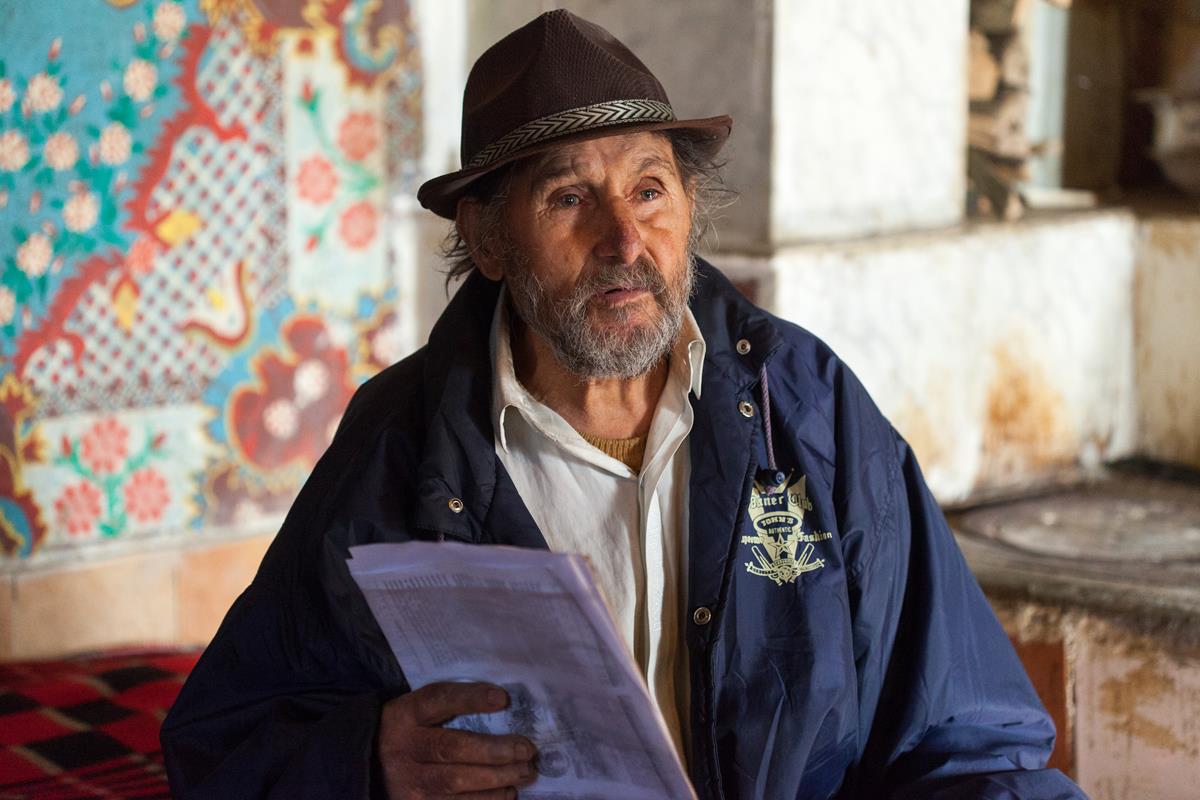

 >
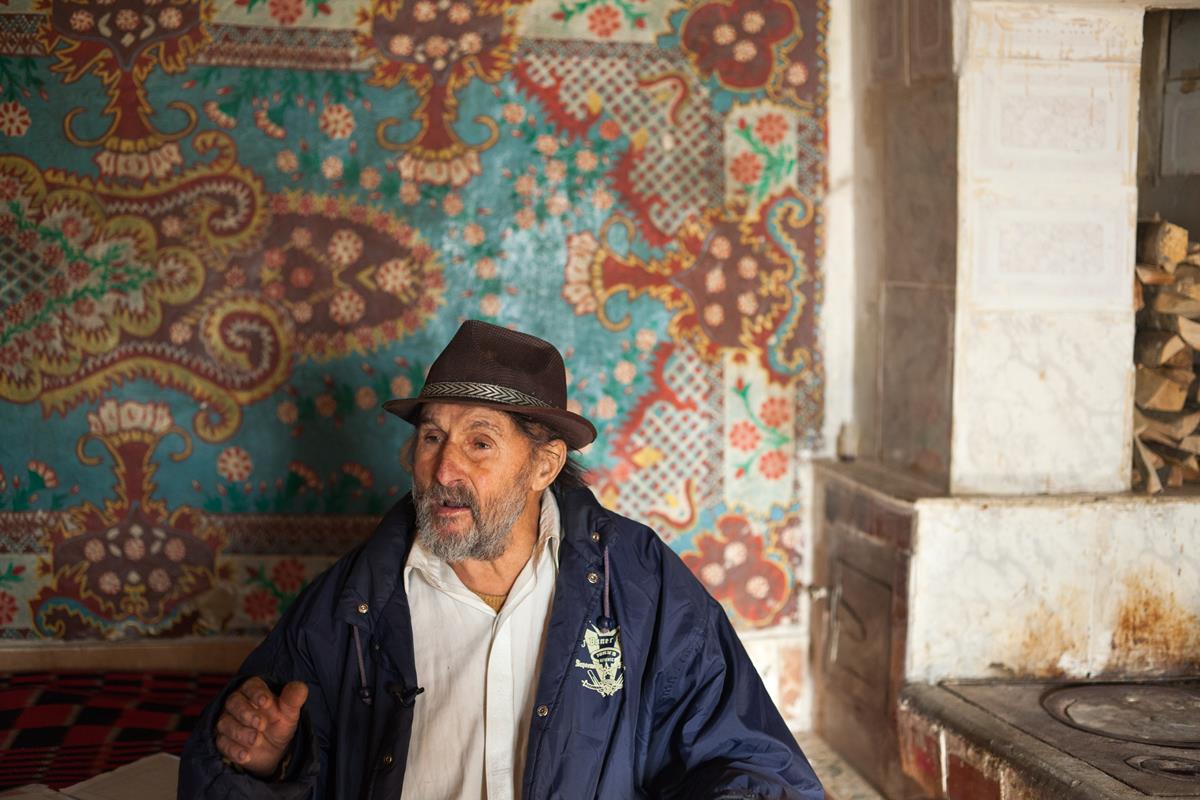
>
Name of the town: Hârlău (town)
Region, country: Iași County, Moldova region (Romania)
Date of deportation: June – August 1942
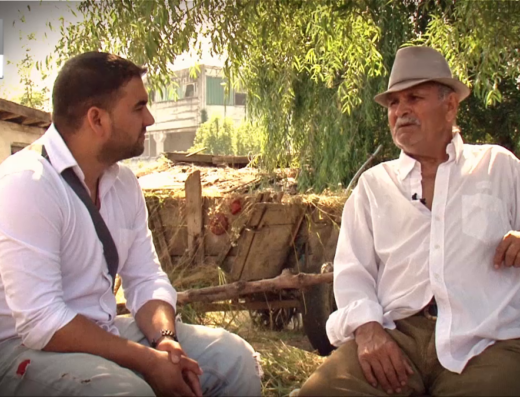
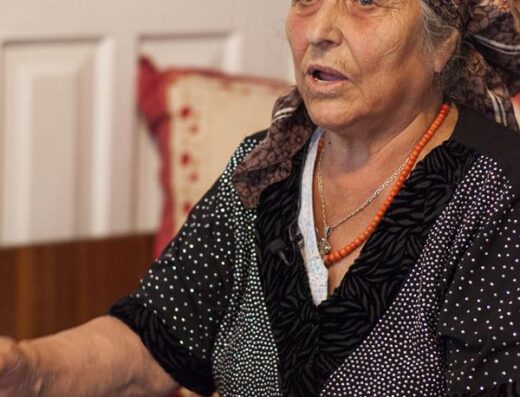
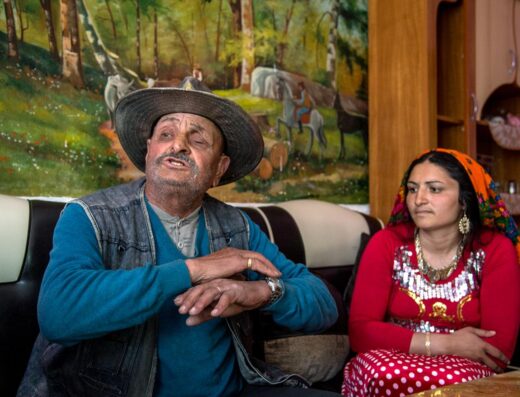
Excerpt from testimony:
“Very many Roma died in the dugouts [in Transnistria]. The winter was very cold and many of us died. Others died during the evacuation [of 1944]. When we returned, there was a severe frost and many of us died on the road.”
Romanian archives (if they exist):
Unfortunately, no archival documents related to the Roma deported from Hârlău have been identified.
Historical note on the Roma:
Hârlău is a town in the northwest of Iași County, located approximately 50 km from Botoșani. The town is home to a significant Roma community. Sporadic information about the local Roma appears in the 19th century (Lișman 1972, 16-17). A statistical record from 1832 registered 602 inhabitants in the market town of Hârlău, including 10 enslaved Roma (Negruți 1997, Annex no. 6). Around 1900, Hârlău had 4,196 inhabitants (MDGR 1900, III: 712), and in 1930, 9,047 inhabitants (RGP 1930, II: 72-73).
Although not a single Rom was recorded in the locality during the general census of 1930, the Hârlău Police Commissariat identified 225 sedentary Roma within the town limits in May 1942 (Nastasă and Varga 2011, 420). The final deportation list included 50 sedentary Roma who had criminal records and lacked stable occupations; after their belongings were confiscated and “Romanianized,” the Roma of Hârlău were escorted to the local railway station and loaded into a train car bound for Iași (ANI, fond IGJ, file no. 127/1942: f. 130). After a short stop in Iași, the car was attached to the special train E7 Iași–Tighina, which departed for Transnistria on September 16, 1942. Some of the deportees from Hârlău were relocated to the commune of Balșoi-Karanika, in Ochakov County. The harsh living conditions and their conviction that they had been included on the deportation list unjustly led them to submit repatriation petitions to the Romanian authorities. Two such petitions were examined by the Botoșani Gendarme Legion, which issued a negative opinion (ANI, fond IGJ, file no. 43/1943, 1: f. 99). Unfortunately, no further information is known about the fate of the Roma deportees from Hârlău or how they managed to return to the country between 1944 and 1945.
Historical note on the deportation:
The interviewee’s family (his parents and six children) traveled by cart through the villages of the entire Moldova region to sell their copper cauldrons.
In the summer of 1942, the Stănescu family, together with other Roma of their șatră [band/encampment], were arrested by gendarmes in the vicinity of the villages of Urechești and Cotești (Vrancea County). The gendarmes drew up tables recording the number of families, carts, and animals in each group. The Roma were escorted by gendarmes to the village of Vișani, a concentration point for deportees from the region. There they formed a convoy of deportees, who were escorted by gendarmes across the Prut, as far as Cahul. From this locality they were taken over by German troops, who escorted the deportees to the city of Tiraspol.
Once in Transnistria, the Roma deportees were relocated to the commune of Domanevka (Golta County), into the stables of a kolkhoz (those who found no room there lived in tents). Their carts and animals were confiscated. In the autumn of 1942 they were relocated to the commune of Tridubi, on the banks of the Bug, into dugouts dug into the ground. There they worked on a kolkhoz (harvesting corn, potatoes, etc.) under the watch of gendarmes and Ukrainian paramilitary troops. The food rations they received were small (200 grams of potatoes or flour), so the Roma deportees secretly bartered with the local Ukrainians, exchanging objects and clothes for food. Many Roma died from the cold and hunger, and their bodies were thrown out into the fields, where they were devoured by dogs.
The repatriation took place in March 1944, when the gendarmes told them that Transnistria was about to be evacuated. The journey to Romania was long and full of hardship (many Roma died from the cold or were attacked by the retreating German troops). The Roma survivors were escorted to Tiraspol, and later crossed the Dniester and the Prut to reach Romania.
Brief note on a Roma subgroup:
Roma căldărari who also worked in metalworking (making copper cauldrons and aluminum utensils).
Categories
Features
Regions
Video
Location
Related Testimonies
Added By Catalin Biban

Please sign in to see contact details.
 Română
  English