
 >
>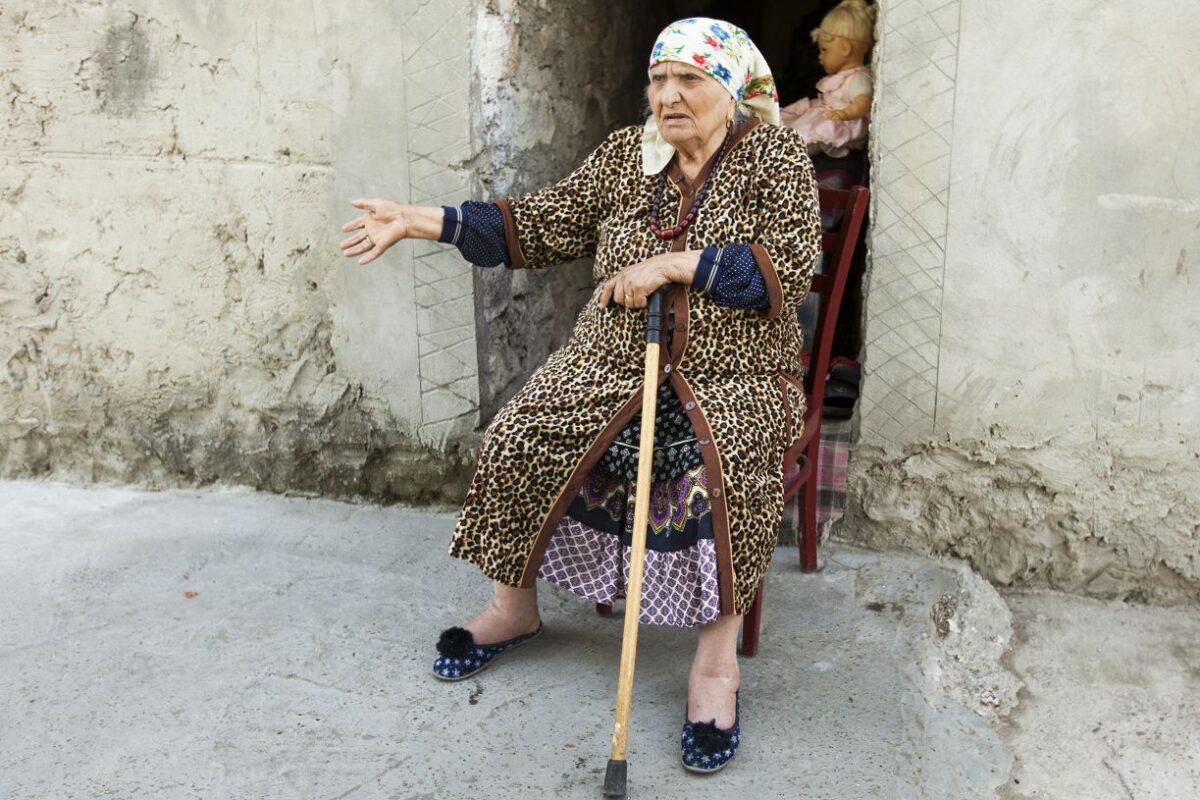
Călinești is a village and commune in Fălești District, Republic of Moldova.
The village covers an area of approximately 2.45 km², with a perimeter of 12.94 km. Călinești is the only village in the commune of the same name. It is located 22 km from the town of Fălești and 148 km from Chișinău. The village of Călinești is first mentioned in historical documents dating back to 1601.
The history of the Roma community in Călinești is an integral part of the broader history of the Roma in Moldova, whose presence dates back to the fourteenth and fifteenth centuries. Roma people lived in the region under various forms of servitude (as serfs or slaves belonging to landowners and monasteries) and participated in a range of economic activities. However, the specific history of Călinești is largely embedded within the wider context of the rural Roma communities of Fălești District, whose past was shaped by a complex history of slavery, emancipation, and the establishment of Roma communities in villages throughout the district, including the commune of Călinești.
Historical Background of the Roma in Moldova
1. Early Records (14th–15th Centuries)
The earliest evidence of the Roma in Moldova dates to the second half of the fourteenth century. Their presence is documented indirectly through place names (such as Șigăneștii) and in official documents from the reign of Alexander the Good (Alexandru cel Bun) in 1414.
2. Roma Slavery
The Roma became part of the feudal system, serving as slaves belonging to rulers, monasteries, and boyars. They were employed in a variety of occupations, including skilled crafts and agricultural labor.
3. Life in Rural Communities
Many Roma lived in villages, either in separate settlements or integrated among the local population. They worked as blacksmiths, shepherds, itinerant traders, or agricultural laborers, with some families attached to estates surrounding villages such as Călinești.
The Roma Community in Călinești (Fălești District)
Călinești, a village in Fălești District (Republic of Moldova), has historically been, and remains, home to a diverse population, including Roma communities.
The history of the Roma of Călinești closely mirrors that of Roma communities throughout the surrounding region. Their experience was shaped by the social and economic structures of medieval and modern Moldova, including the Tsarist period, the Soviet era—with its policy of forced sedentarization—and the post-Soviet period.
Roma communities in the area developed traditions and customs adapted to rural life while preserving distinctive cultural features, including traditional crafts and strong forms of community organization.
Context of the Deportations
Period: September–December 1942 (targeting sedentary Roma classified as “undesirable”).
The history of the Roma of Călinești who were deported to Transnistria forms part of the wider mass deportations carried out by the Romanian authorities during the Second World War. Between 1942 and 1943, more than 25,000 Roma—both nomadic and sedentary—were deported to Transnistria.
Many died from starvation, exposure to severe cold, disease (particularly typhus), and forced labor. This tragic episode of racial persecution and genocide has been documented in official international reports, which confirm the heavy losses suffered by Roma communities in Bessarabia and other regions, including Călinești, where a significant proportion of the Roma population perished as a result of these deportations.
Reasons for the Deportations
The deportations were carried out under the racial policies of the Antonescu regime, which sought to “cleanse” the territory of populations considered “undesirable.”
Destination
The deportees were sent to Transnistria, then an occupied territory, where they were subjected to unskilled forced labor under extremely harsh conditions.
The Situation of the Roma in Călinești
Although detailed information specific to Călinești is relatively limited in the general historical literature, the fate of its Roma inhabitants was similar to that of other deported Roma communities. They endured inhumane living conditions, widespread famine, epidemics of typhus, and extreme cold, resulting in a very high death toll.
Categories
Features
Regions
Video
Location
Related Testimonies
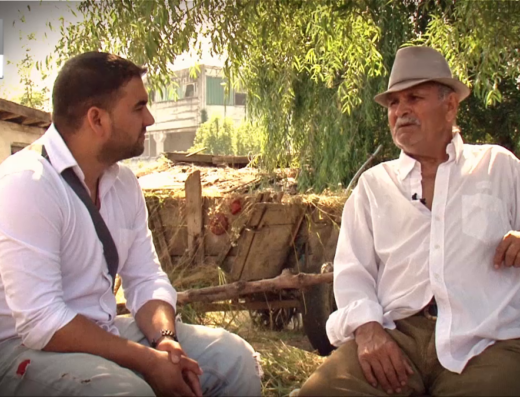
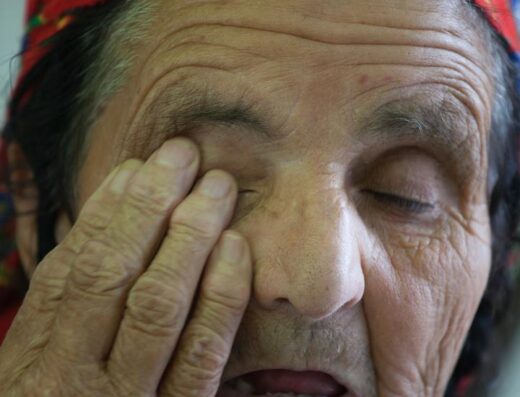
Added By Catalin Biban

Please sign in to see contact details.
 Română
  English