
 >
>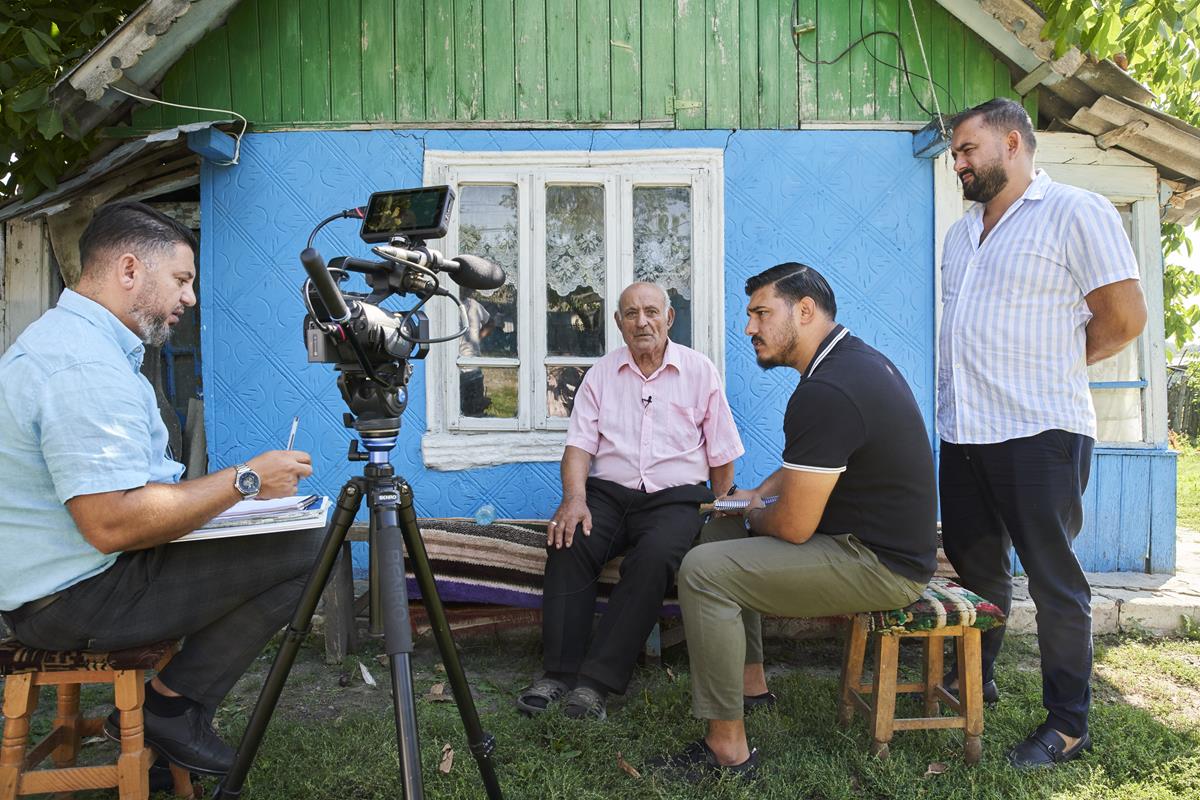
Name of the town: Pietriș (village, commune of Dolhești)
Region, country: Iași County, Moldova region (Romania)
Date of deportation: September 1942
Excerpt from testimony:
“The village priest said that the ‘criminal’ Roma should be separated from the others, because some of them caused trouble and stole. The Roma were gathered in the center of the village and divided into two groups: those with criminal records and those without. Those in the first category were deported that very same day. When they were rounded up, the priest was no longer present; only the local administration [handled it]. Villagers from the locality took the [Roma] deportees to the railway station in Huși. The carts, ten in number, were not confiscated by the gendarmes; the Roma left of their own accord because they believed the promises [that they would receive land and houses in Transnistria].”
Romanian archives (if they exist):
Unfortunately, the name of the Baciu family appears neither on the list of Roma registered by the Fălciu Gendarme Legion in May 1942 (Romanian national archives (ANI), General Inspectorate of the Gendarmerie fonds (fond I.G.J.), file no. 203/1942: ff. 113-114), nor on the list of sedentary Roma deported in September 1942 (ANI, fond I.G.J., file no. 127/1942: ff. 113-115).
Historical note on the Roma:
The village of Pietriș is part of the commune of Dolhești, located in the southeastern part of Iași County, approximately 50 km from the city of Iași. The village is home to one of the largest Roma communities in the region. Initially mentioned under the name Dezrobiți (“the Emancipated”), the village was founded in the first half of the 19th century by former slaves—lingurari (Roma specialized in woodworking, particularly spoon-making), blacksmiths, and ursari (Roma who traditionally worked as bear-handlers)—according to local tradition (Merlan and Hapaleț 2006, 73). In 1893, Pietriș had 600 inhabitants, including some 100 Roma families who made their living from ironsmithing, music, and agriculture (Chiriță 1893, 149-150). The 1930 census recorded 1,046 inhabitants in the commune of Pietriș, including 729 Roma (Recensământ 1938, 2.1: 198-199).
In May 1942, the Fălciu Gendarme Legion (under whose jurisdiction the commune of Pietriș fell) identified in the locality 57 families (199 persons) whose members had criminal records and lacked means of subsistence (ANI, fond I.G.J., file no. 203/1942: ff. 113-114). The final deportation list included 48 families (158 persons), who were evacuated to Transnistria on September 13, 1942 (ANI, fond I.G.J., file no. 127/1942: ff. 113-115).
Historical note on the deportation:
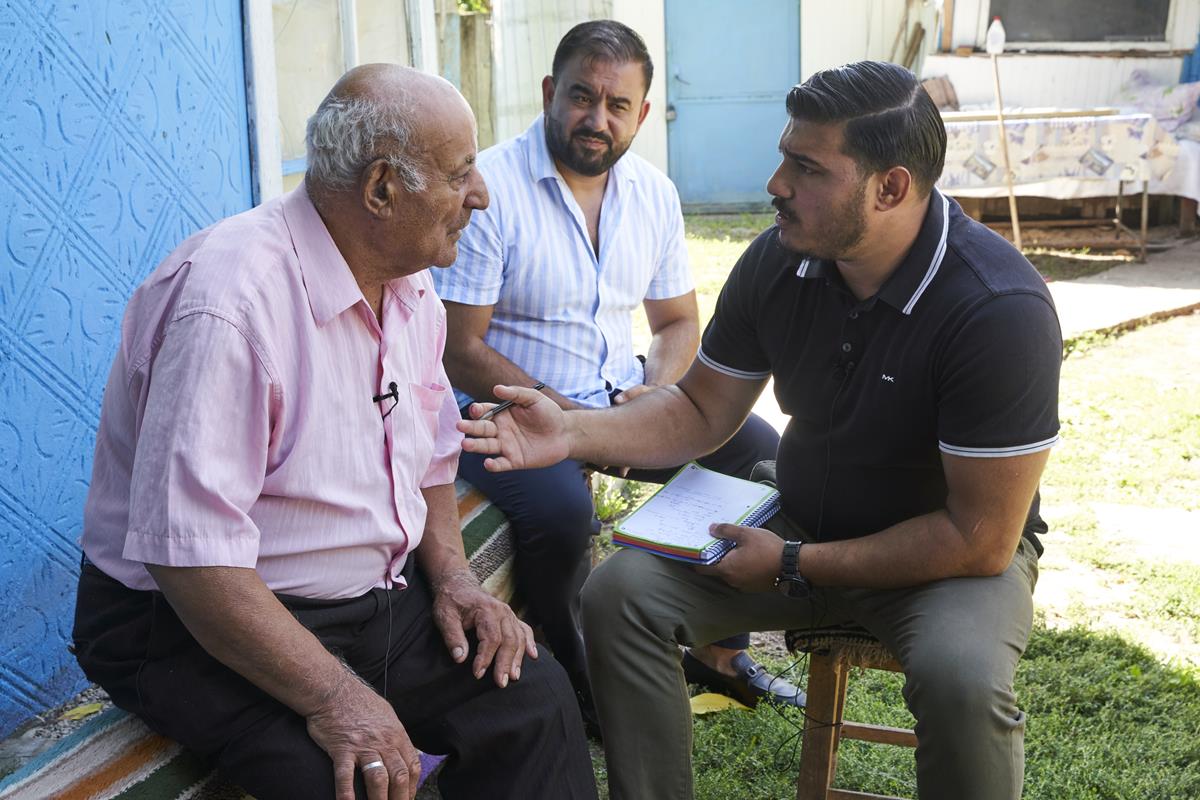
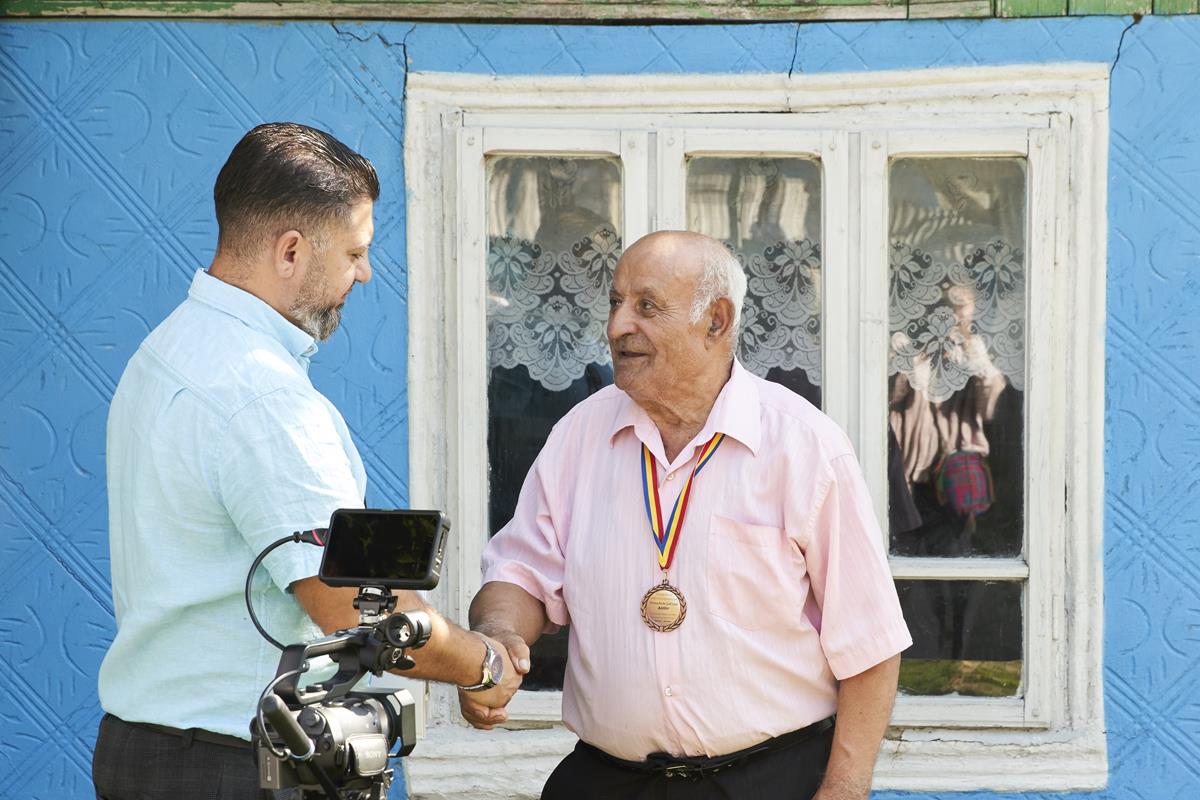
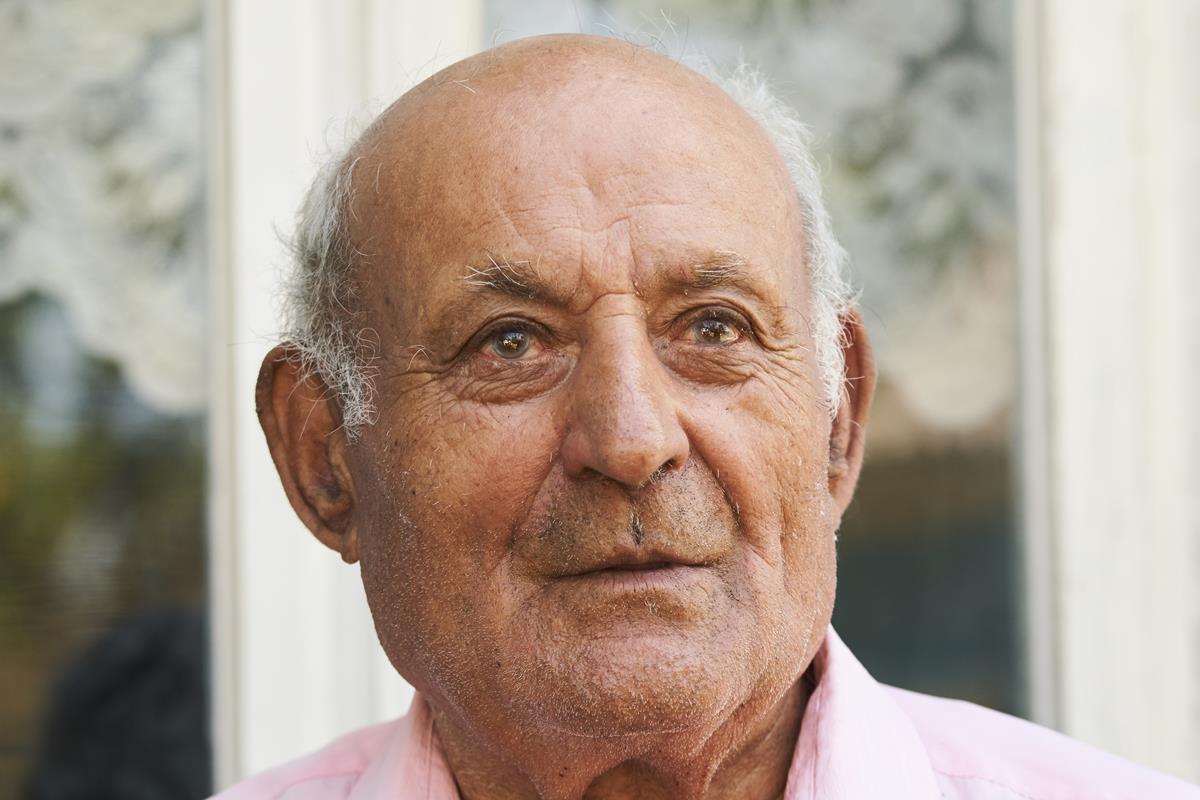
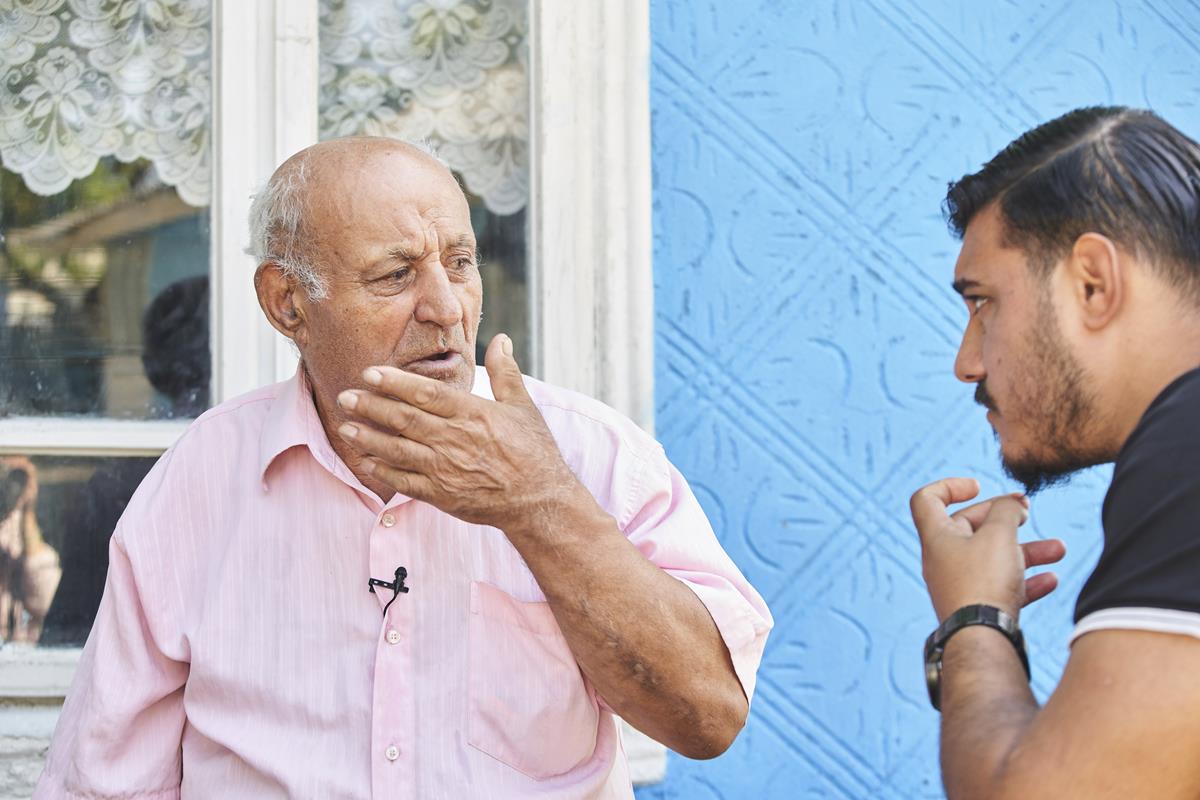
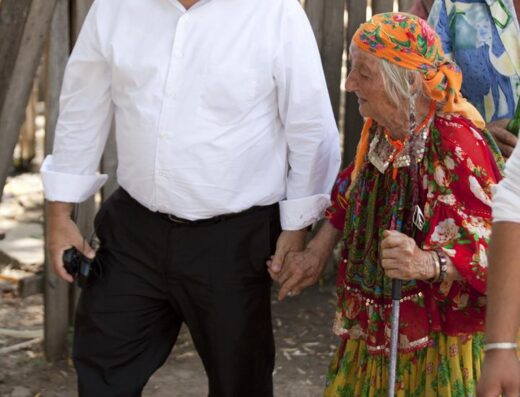
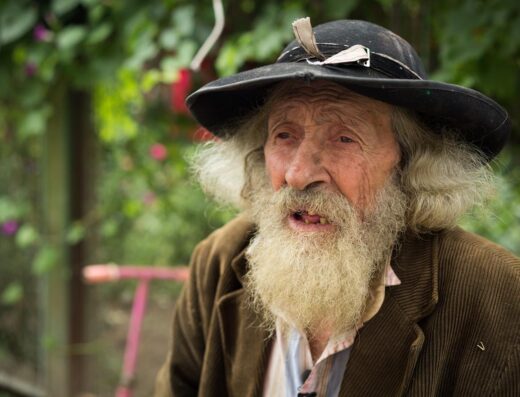
Gheorghe Baciu belongs to a family of lăutari Roma (Roma musicians) and was born in the village of Pietriș. His parents (his father was a lăutar) and his seven brothers and sisters were initially targeted by the local authorities but were not included on the final deportation list. The Roma of Pietriș were gathered in the center of the village and divided into two categories: those with criminal records and those without. Heads of family with criminal records were deported, together with their wives and children, that very same day. Some left of their own accord because they believed the promises made by the local authorities that they would receive land and houses in Transnistria. On September 13, 1942, the deportees were escorted to the railway station in Huși and loaded into freight cars. Upon arrival in Iași, these cars were attached to the special train E7 Iași–Tighina, which departed for Transnistria on September 16, 1942 (ANI, fond I.G.J., file no. 127/1942: f. 131).
Gheorghe Baciu’s family was due to be evacuated in the second wave of deportations, but the measure was revoked, and the family never left the locality. Although he was not deported, the interviewee knows a number of details about the losses suffered by the Roma deportees (many families perished in Transnistria).
Brief note on a Roma subgroup:
The interviewee belongs to the group of lăutari Roma (Roma musicians; probably ursari).
Categories
Features
Regions
Video
Location
Related Testimonies
Added By Catalin Biban

Please sign in to see contact details.
 Română
  English