
 >
>
Name of the town: Focșani (town; today in Vrancea County, before 1968 in Putna County)
Region, country: Moldova region (Romania)
Date of deportation: June – August 1942
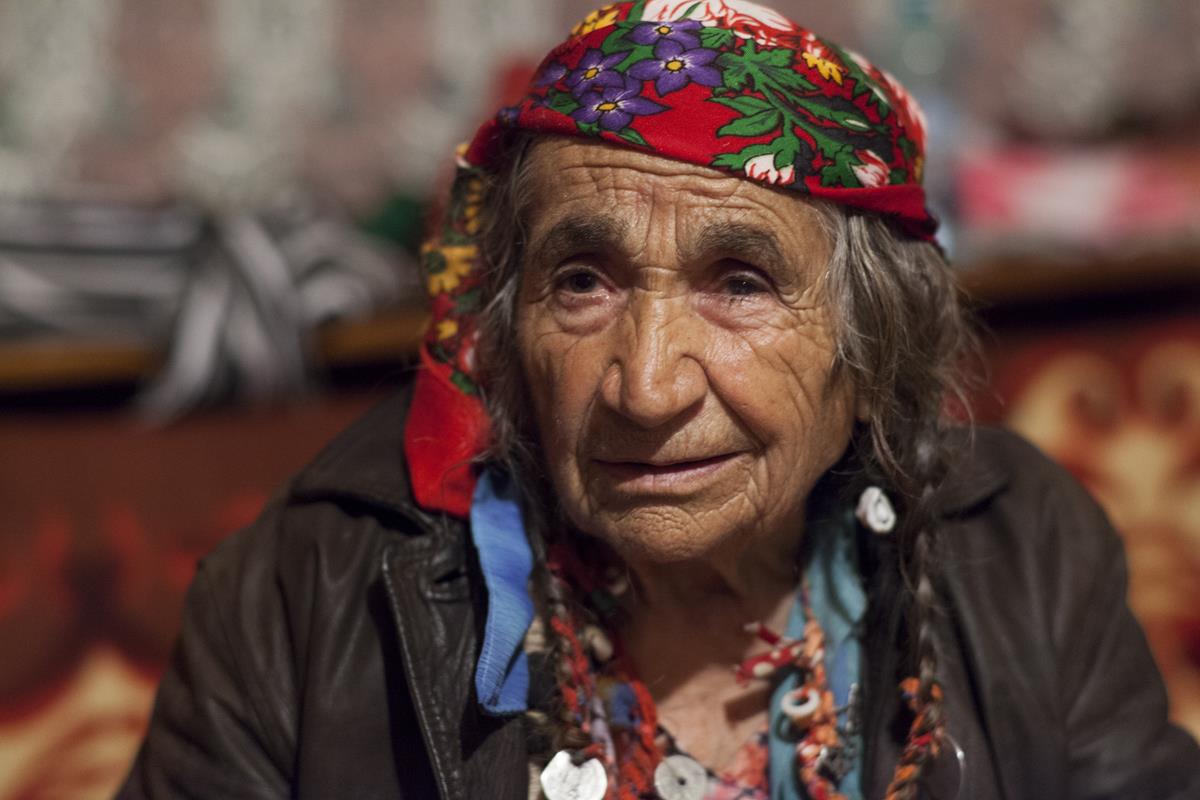
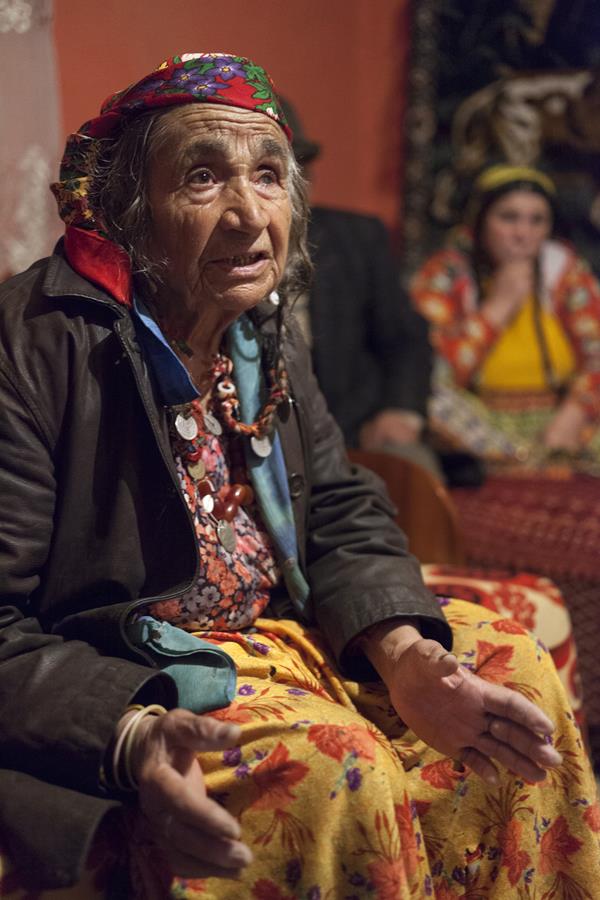
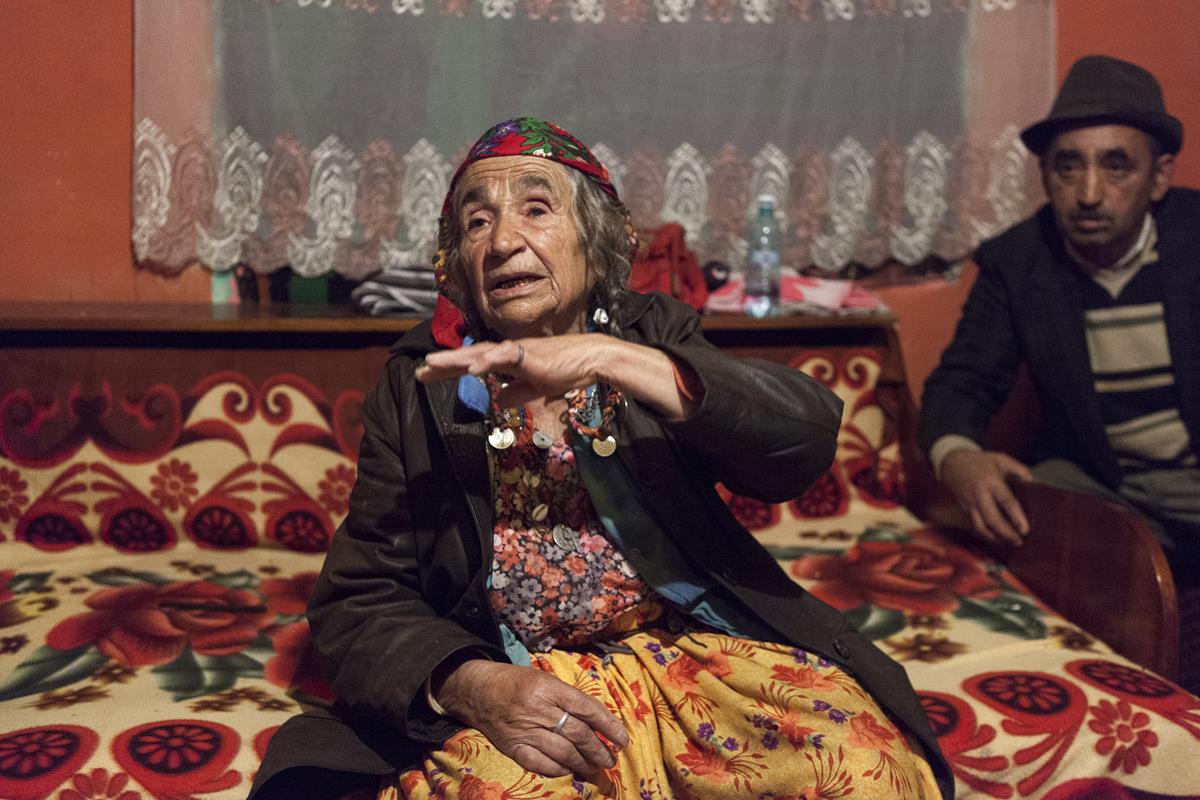
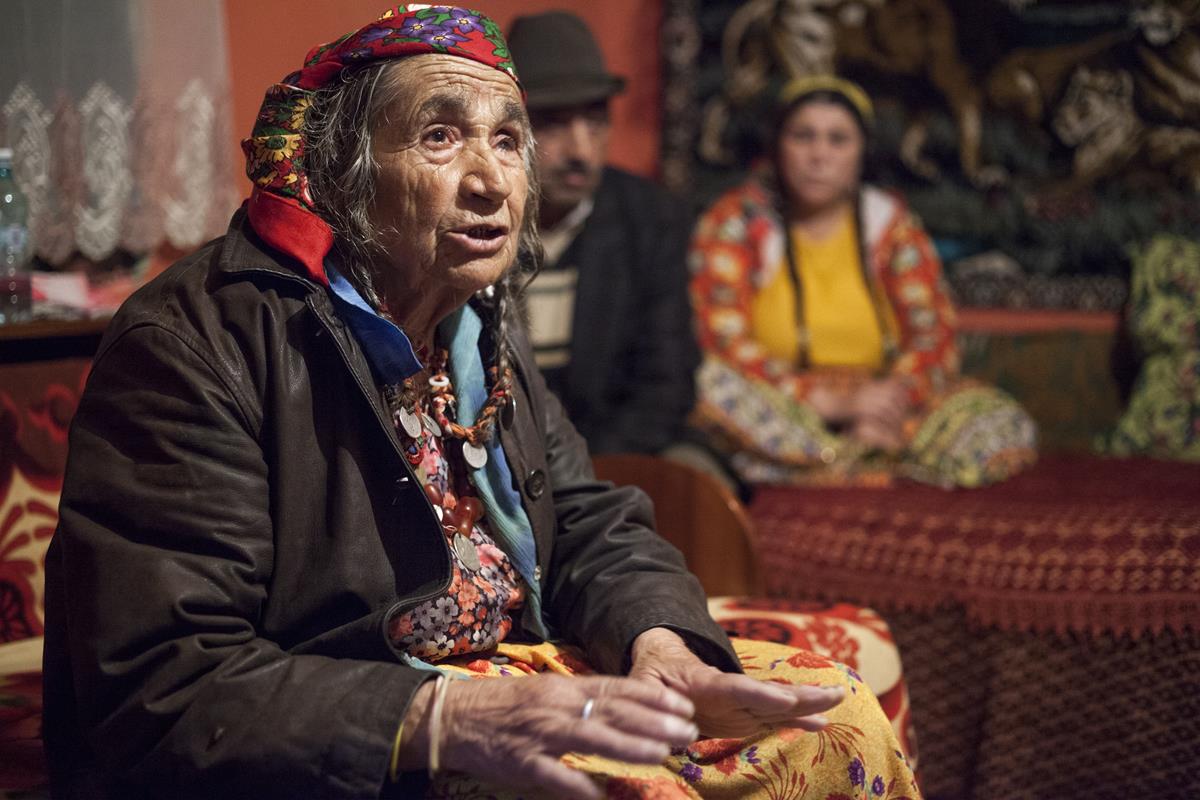
Excerpt from testimony:
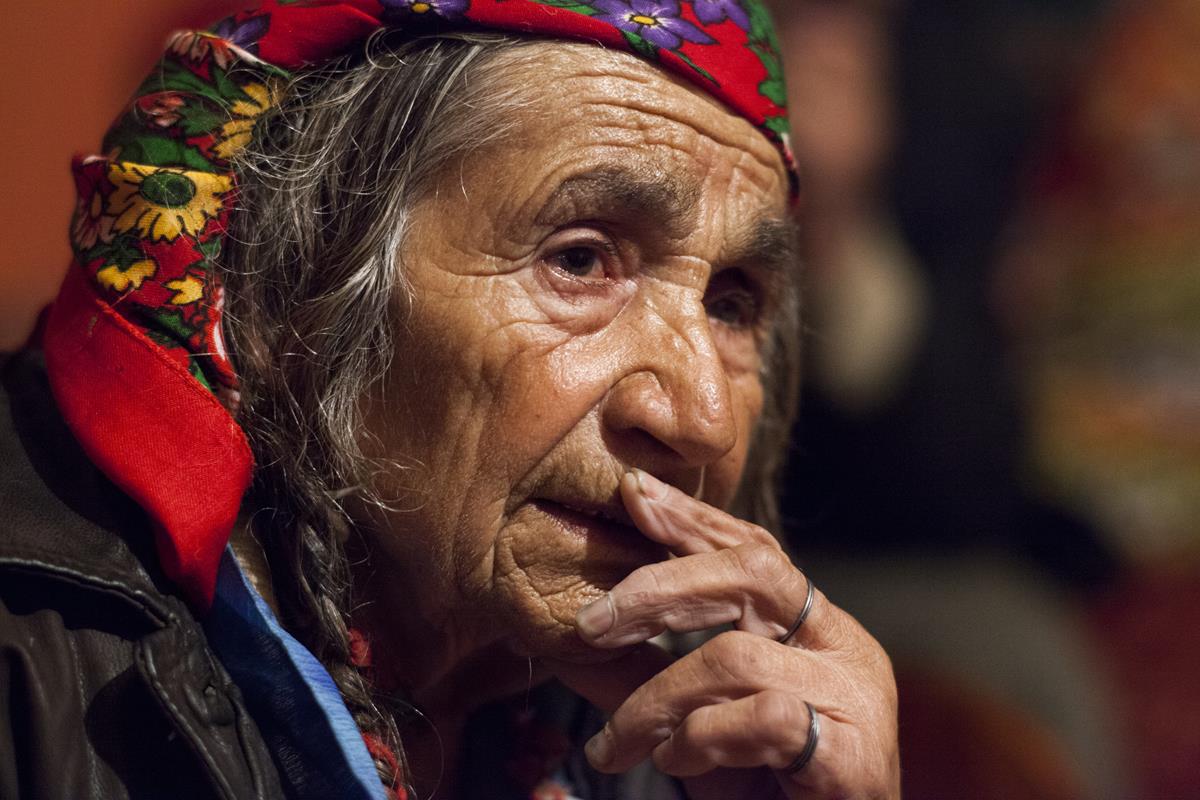
“They stayed 3 years at the Bug. They crossed Bessarabia to reach the Bug, escorted by gendarmes. They received nothing to eat or drink. After they reached the Bug, they were relocated to a deserted field, and they built themselves dugouts. The local Russians made them work in the fields. The interviewee was made to weed the corn. She worked under the watch of a Russian, and if she did not work well, she was beaten with a truncheon. The Russians confiscated all their horses and carts for the kolkhoz.”
Romanian archives (if they exist):
Unfortunately, no archival documents related to the Roma deported from Focșani have been identified.
Historical note on the Roma:
Focșani, or “the town on the Milcov,” is the seat of Vrancea County, situated in an important wine-growing area, on the border between the Moldova and Muntenia regions. Roma are documented in the market town of Focșani as early as the 17th century; lăutari musicians formed one of the most important groups, mentioned in 1823 as being organized into a guild led by a staroste [guild elder] (Dimitrescu 2013: 62). At the end of the 19th century, Focșani had 17,039 inhabitants (MDGR 1900, III: 398). The general census of 1930 gives us more precise data on the Roma of Focșani: out of a total of 32,481 inhabitants, 211 were Roma (RGR 1930, II: 350-351). Alongside them, several groups of căldărari Roma lived near the town, traveling in carts drawn by horses and donkeys. According to the interviewee’s testimony, these groups settled near the town, presented themselves before the local authorities to have their encampment booklet stamped, and then went to sell their copper objects and utensils.
Historical note on the deportation:
Ostroveanca Stănescu and her family were traveling by cart when the gendarmes came and arrested them, probably in the summer of 1942. Shortly afterward, they joined a convoy of nearly 100 carts full of nomadic families and were escorted, under gendarme guard and from post to post, toward Transnistria.
After arriving in Transnistria, the Roma deportees were relocated to a field near the locality of Tridubi (Golta County). The deportees had to build themselves dugouts for shelter. After their carts and horses were confiscated, they were subjected to a regime of forced labor, being made to work on a kolkhoz (weeding and harvesting corn) under the watch of Ukrainian guards. The deportees received meager rations (a little flour and oil) and were forced to barter secretly with the locals to obtain food. Many deportees died from the cold and hunger. The interviewee saw how the unburied bodies were devoured by wild animals.
Jewish deportees were also relocated near the Roma dugouts.
The repatriation probably took place in the spring–summer of 1944. On the way back, the interviewee’s grandfather died, and the family was forced to abandon his body, which remained unburied.
Categories
Features
Regions
Video
Location
Related Testimonies
Added By Catalin Biban

Please sign in to see contact details.
 Română
  English