
 >
>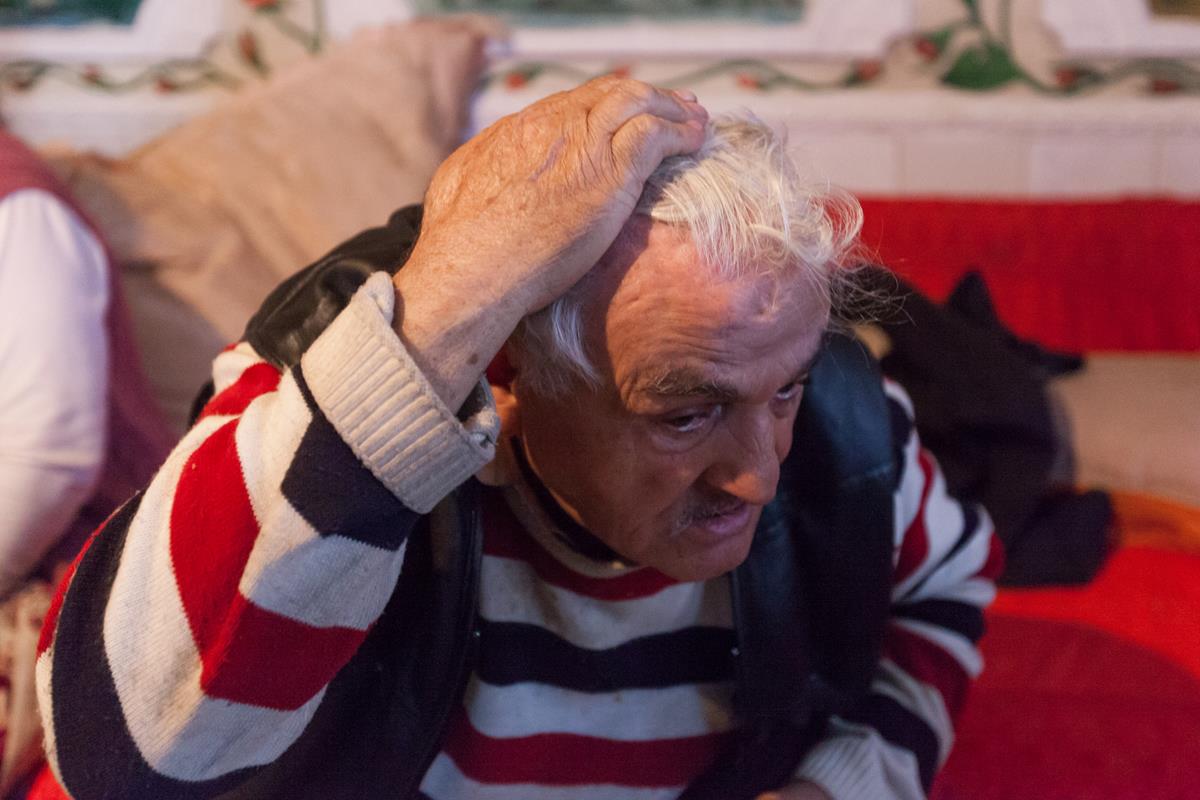
Name of the town: Ciurea (commune)
Region, country: Iași County, Moldova region (Romania)
Date of deportation: June – July 1942
Excerpt from testimony:
“The German [soldiers] came to us [to the deportees’ dugouts]. They came to look; they went into the town hall; they came to patrol, to make sure no one had fled. But where could you flee? They came in groups of 20 or 30, patrolling all around, walking and looking—the dugouts were full of people, and there were also dead, some 200–300 dead who were not buried. They lay there; near the town hall [in Tridubi] there was a large pit, and they were thrown into it. The dead were Roma. If someone died in a dugout, they would bring them there—they would tell the policeman that there was a dead body, bring it, and throw it into that pit.”
Romanian archives (if they exist):
During the census of May 1942, the Iași Police Prefecture identified 19 nomadic Roma (4 encampments with 4 carts) on the territory of the city of Iași, who were deported to Transnistria at the beginning of June 1942 (Romanian national archives (ANI), Iași Police Precinct No. 5 fonds (Fond Circa a V-a de Poliție Iași), file no. 5/1942: ff. 7-9). It is possible that these nomads came from the commune of Ciurea, located near the city of Iași.
Historical note on the Roma:
The commune of Ciurea is located on the banks of the Nicolina River, approximately 10 km south of the city of Iași. The village of Ciurea is documented as early as the 17th century, when it came under the ownership of the Hlincea Monastery. It is possible that the first Roma settled in the village as monastery slaves (Brumă 2018, 51). Documentary references to the Roma are rather scarce. Around 1899, the village had 383 inhabitants, or 74 families (MDGR 1899, II: 461). The 1930 census recorded 769 inhabitants in the commune of Ciurea, including one sedentary Rom (RGP 1930, II: 248-249).
Beginning in the 1950s, a significant number of căldărari Roma were settled in the hamlet of Zanea, attached to the commune of Ciurea, as part of the process of forced assimilation and sedentarization of the nomadic population initiated by the communist regime. Many căldărari came from various regions of Moldova (Brăila, Buzău, Iași) and had survived the deportations to Transnistria. They worked in the collection and processing of copper and aluminum, crafting cauldrons, stills, and kettles, which they sold from village to village and at fairs (Brumă 2018, 84).
Historical note on the deportation:
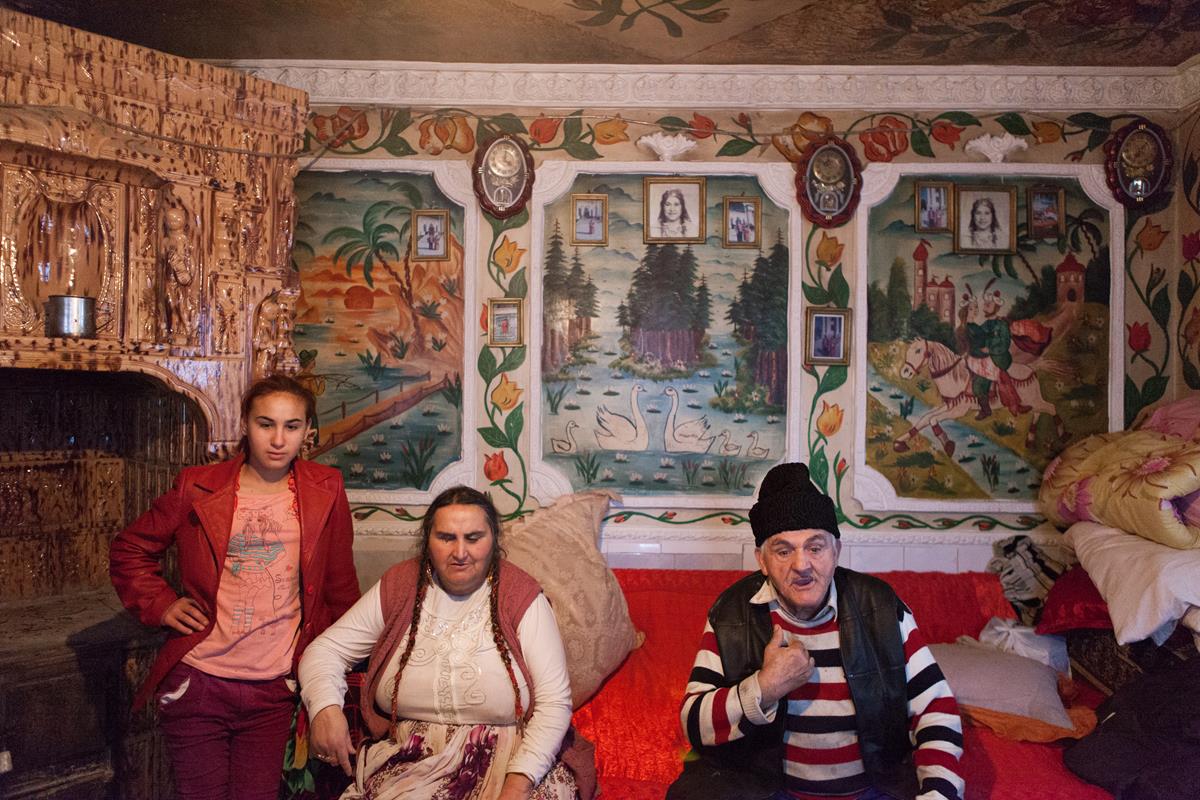
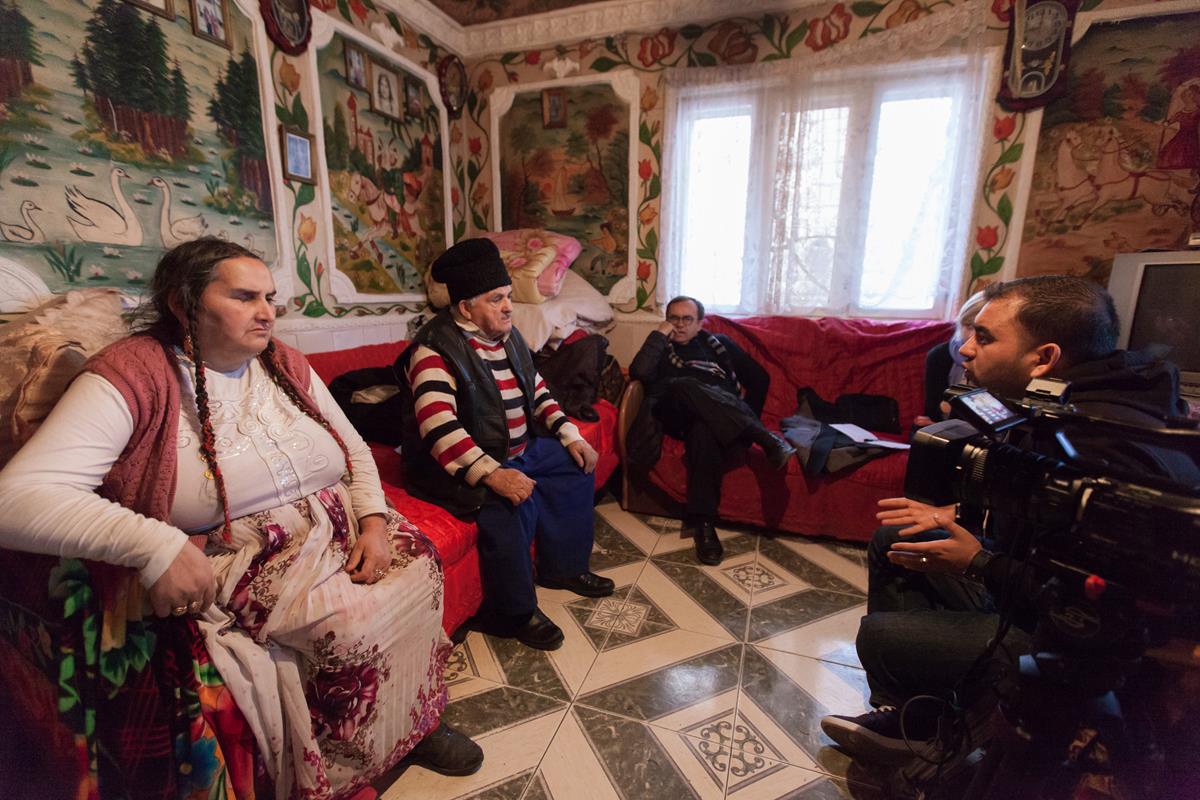
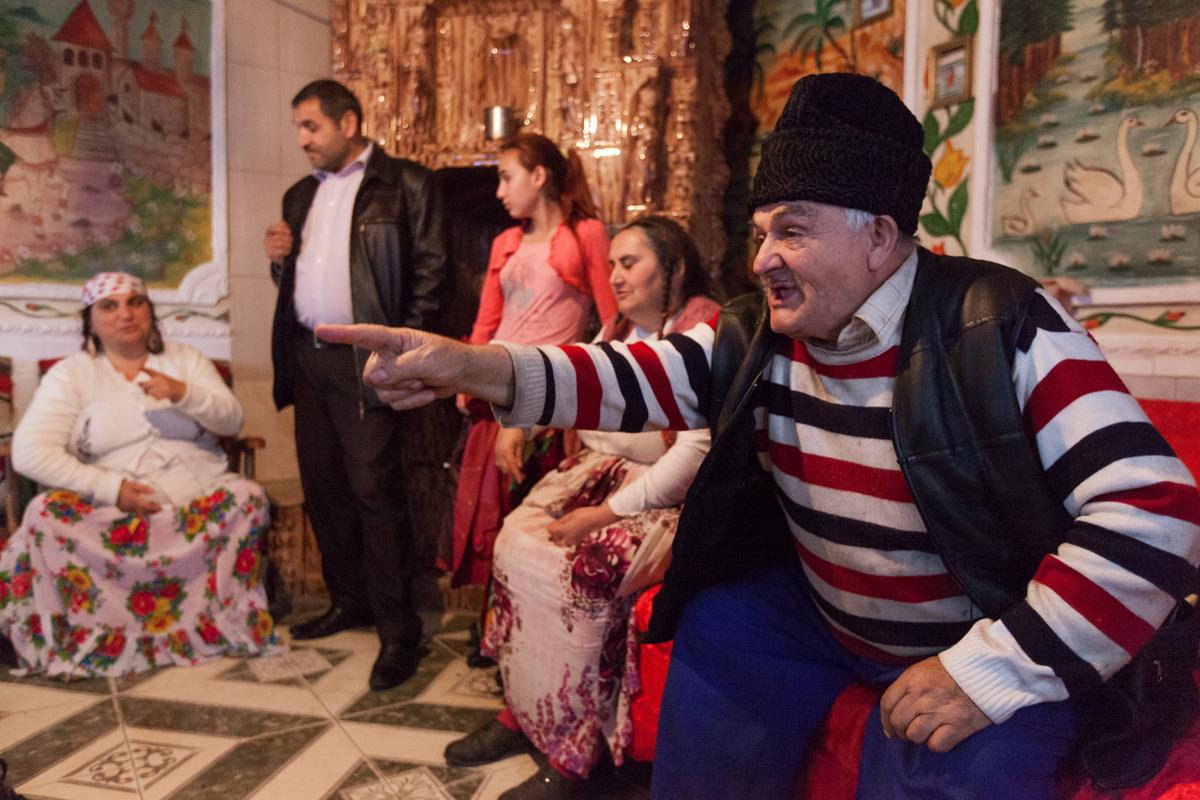
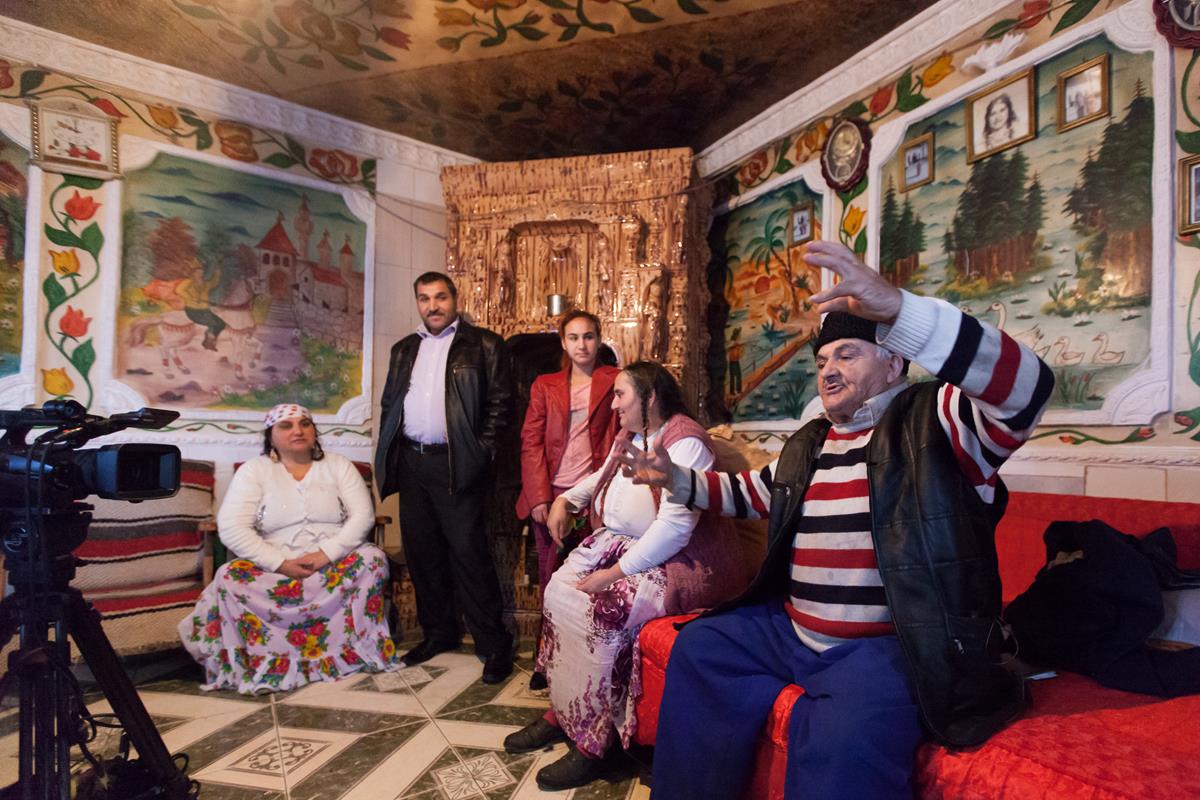
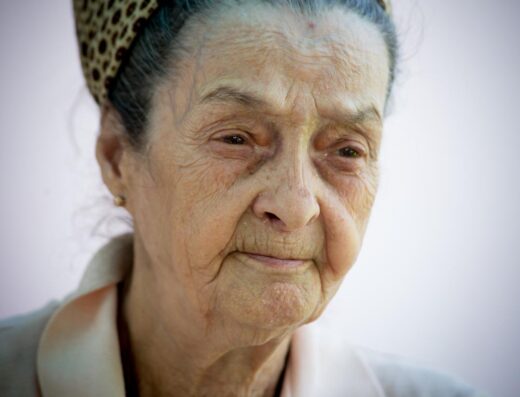
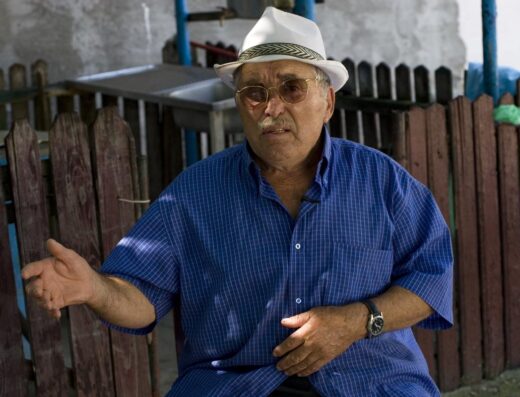
The family of Istrate Stănescu worked in metalworking and traveled from village to village by cart to sell their copper and aluminum wares. In June or July 1942, the family was arrested by gendarmes and escorted from one locality to the next, probably along the Oancea–Tiraspol route, toward Transnistria.
Once in Transnistria, the interviewee’s family was settled near the locality of Tridubi, in Golta County, close to the Bug River. All their belongings (carts, animals, gold) were confiscated upon arrival. The deportees lived in dugouts—huts dug halfway into the ground—in a camp surrounded by a barbed-wire fence and guarded by gendarmes. The Roma were subjected to forced labor, being made to go to the nearby forest to cut wood in exchange for meager food rations (flour and potatoes). Despite the harsh punishments, some of them slipped out of the camp in search of food, at the risk of being shot by the gendarmes. German troops patrolled the area and sometimes entered the camp to commit abuses (beatings, rapes, etc.). Many deportees perished from the cold, the lack of food, and typhus, and their bodies were buried in a mass grave nearby.
Despite the countless hardships, there were moments of solidarity between the Roma deportees and the Jews interned in a nearby camp, close to the Tridubi railway station. The interviewee met a young deportee, the daughter of a Jewish merchant from Iași whom he knew. He threw her a potato through the camp fence, but the gendarme guarding them shot her.
The repatriation of the Roma took place in the spring of 1944, following the Romanian and German troops retreating from Transnistria in the face of the advancing Red Army. The journey back to Romania was full of hardship, and many Roma perished from the cold and exhaustion (including the interviewee’s mother, sister, and brother).
Brief note on a Roma subgroup:
Căldărari Roma (Roma specialized in metalworking), who crafted objects and utensils from copper and aluminum.
Categories
Features
Regions
Video
Location
Related Testimonies
Added By Catalin Biban

Please sign in to see contact details.
 Română
  English