
 >
>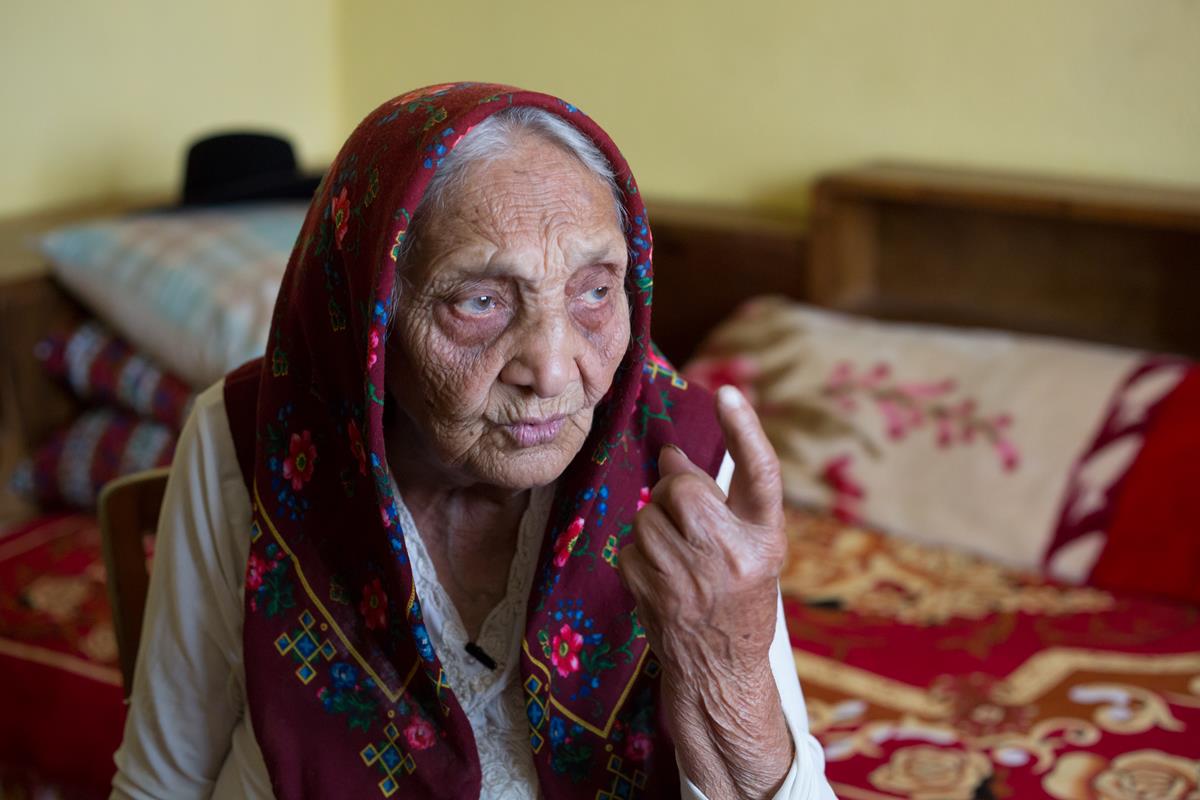
Name of the town: Sâmbăta de Jos (village, commune of Voila)
Region, country: Brașov County, Transylvania region (Romania)
Date of deportation: June – August 1942
Excerpt from testimony:
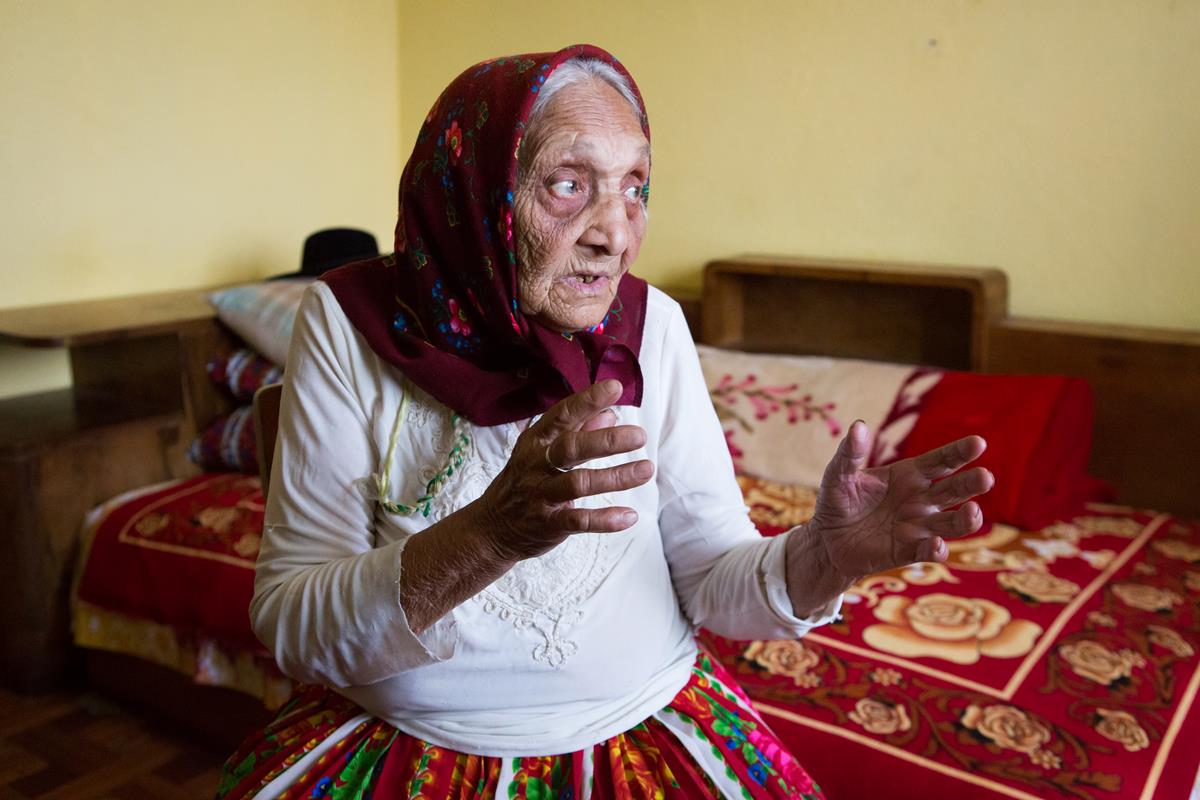
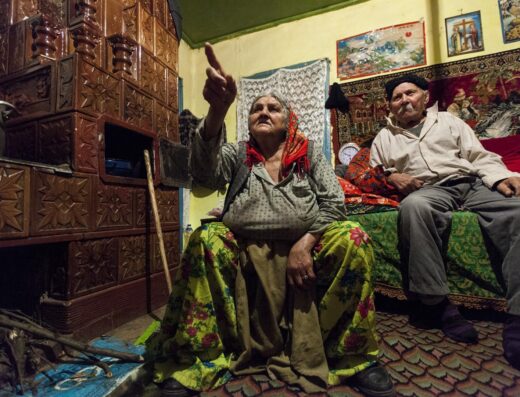
“After she arrived [in Transnistria], the interviewee was relocated to a deserted field and all her belongings were confiscated. The camp was not fenced. The Roma bartered to obtain food. For this purpose, they went to a market next to the camp, because the Roma were not allowed to go into the village. Those who had nothing to trade died. The bodies were thrown into the river […]”
Romanian archives (if they exist):
Unfortunately, no archival documents related to the Roma deported from Sâmbăta de Jos have been identified.
Historical note on the Roma:
The village of Sâmbăta de Jos (in German, Untersombath; in Hungarian, Alsószombatfalva) is part of the commune of Voila, in Brașov County, and lies in the valley of the Olt River, approximately 60 km from the city of Sibiu. This village of old medieval origins was inhabited predominantly by Romanians, alongside whom a few Hungarian and Roma families later settled (Diaconovich 1904, 3: 875). In 1850, 434 people lived in the commune of Sâmbăta de Jos (mostly Romanians), including 7 Roma (SCT 1996, 98-99). The 1930 census recorded 252 inhabitants in the commune, of whom 32 were sedentary Roma (RGP 1930, II.1: 192-193). Interwar field research identified another 30 corturari Roma (tent-dwelling Roma) in the locality, who led a semi-nomadic life (Chelcea 1944, 82). Some had houses and plots of land, but traveled periodically through the villages of southern Transylvania to sell their copper cauldrons and utensils.
Historical note on the deportation:
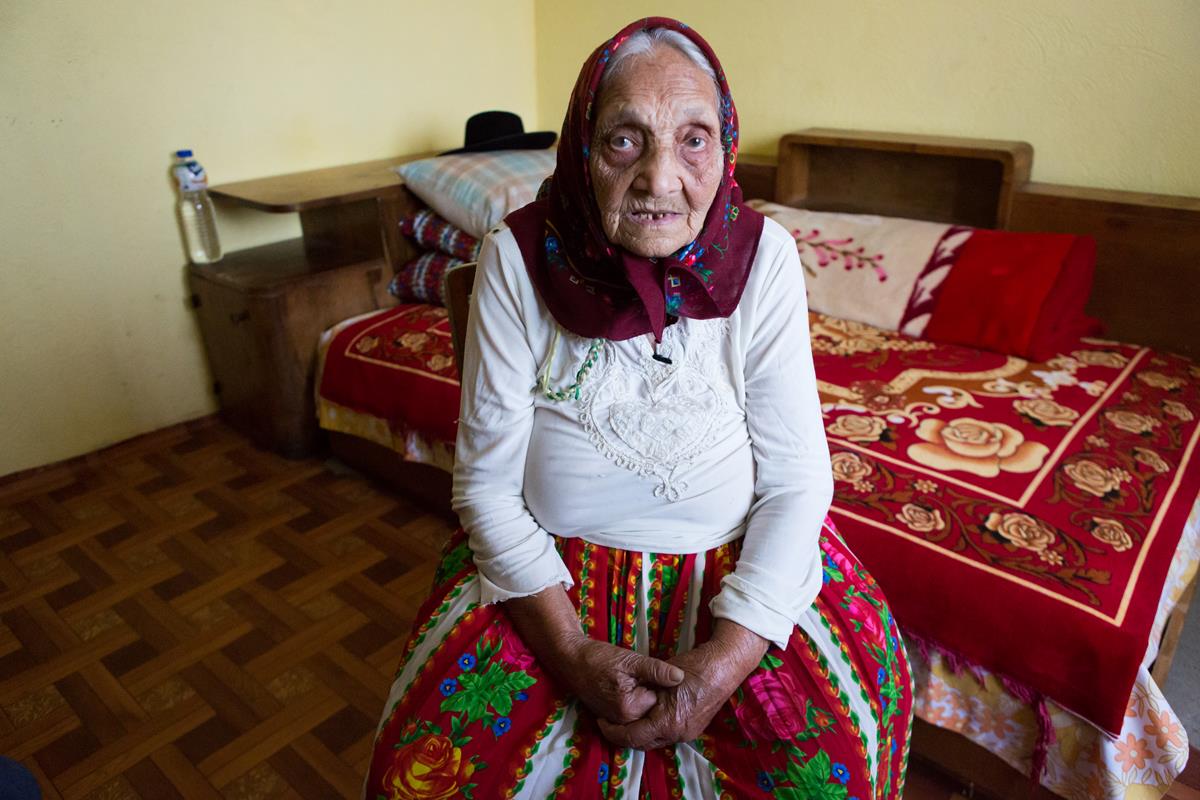
Maria Căldăraru and her family lived in Sâmbăta de Jos; they owned a house and animals and worked as agricultural day laborers for the landowners of the village. In the summer of 1942 they were arrested by gendarmes, under the pretext that they would be given land in Transnistria. The Căldăraru family hastily sold their belongings and animals and left the village in their own cart, under gendarme guard. A convoy of carts was formed, which was escorted from post to post by gendarmes, along the Galați–Tiraspol route, to Transnistria.
After nearly three months on the road, the Roma convoy arrived in Transnistria. Their belongings were confiscated, and the Roma deportees were initially relocated to a deserted field. The harsh living conditions (cold, lack of food, and epidemics) claimed many victims. The few deportees who managed to evade the gendarmes’ vigilance and keep a few possessions bartered with the local Ukrainians, receiving food in exchange.
In the course of 1943, the family of Maria Căldăraru was relocated to the commune of Vradiovka (Golta County). Together with nearly 100 other Roma deportees from the Sibiu region, Maria Căldăraru lived for almost two years in the squalid stables of a kolkhoz. She was subjected to forced labor, working in the fields (harvesting sunflowers and potatoes) in exchange for meager food rations. Her family survived by bartering with the locals.
The repatriation probably took place in the spring–summer of 1944, when the Romanian and German troops began to withdraw from Transnistria in the face of the advancing Red Army. A good part of the journey home was covered on foot. After crossing the border into Romania, the deportees boarded a train at Crasna and reached Brașov.
Brief note on a Roma subgroup:
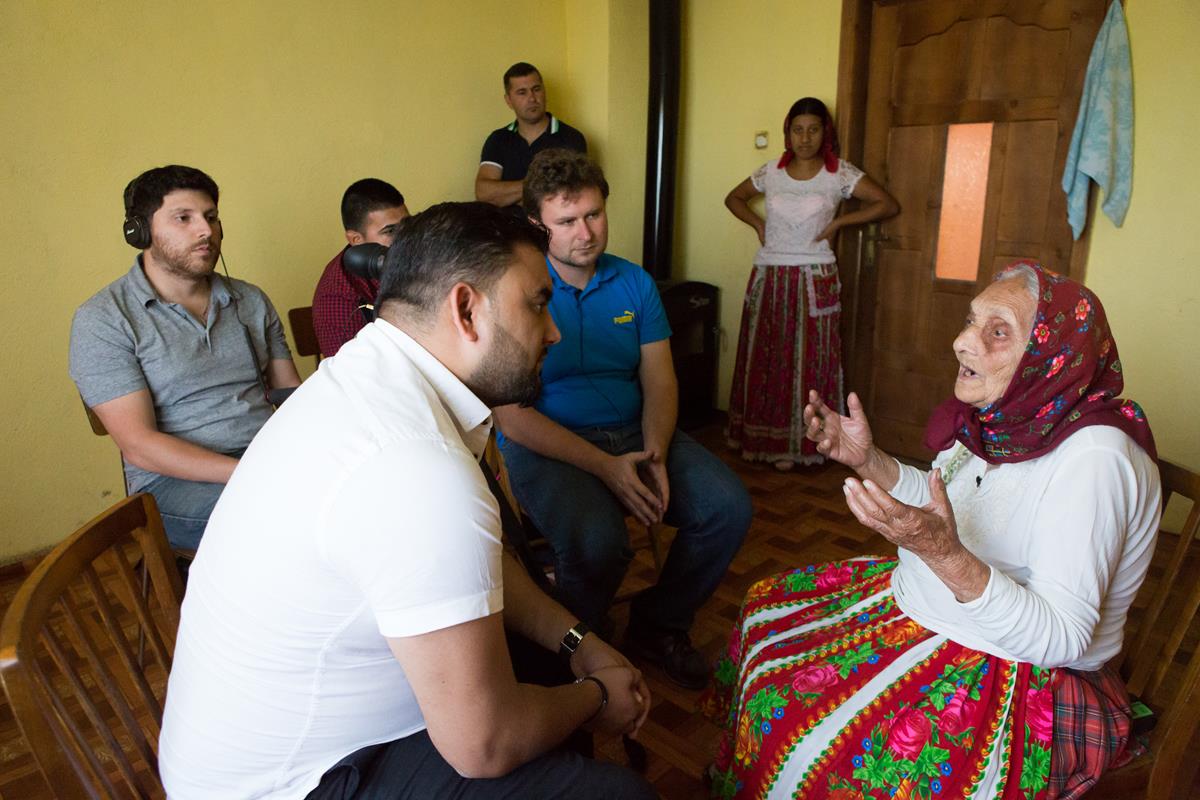
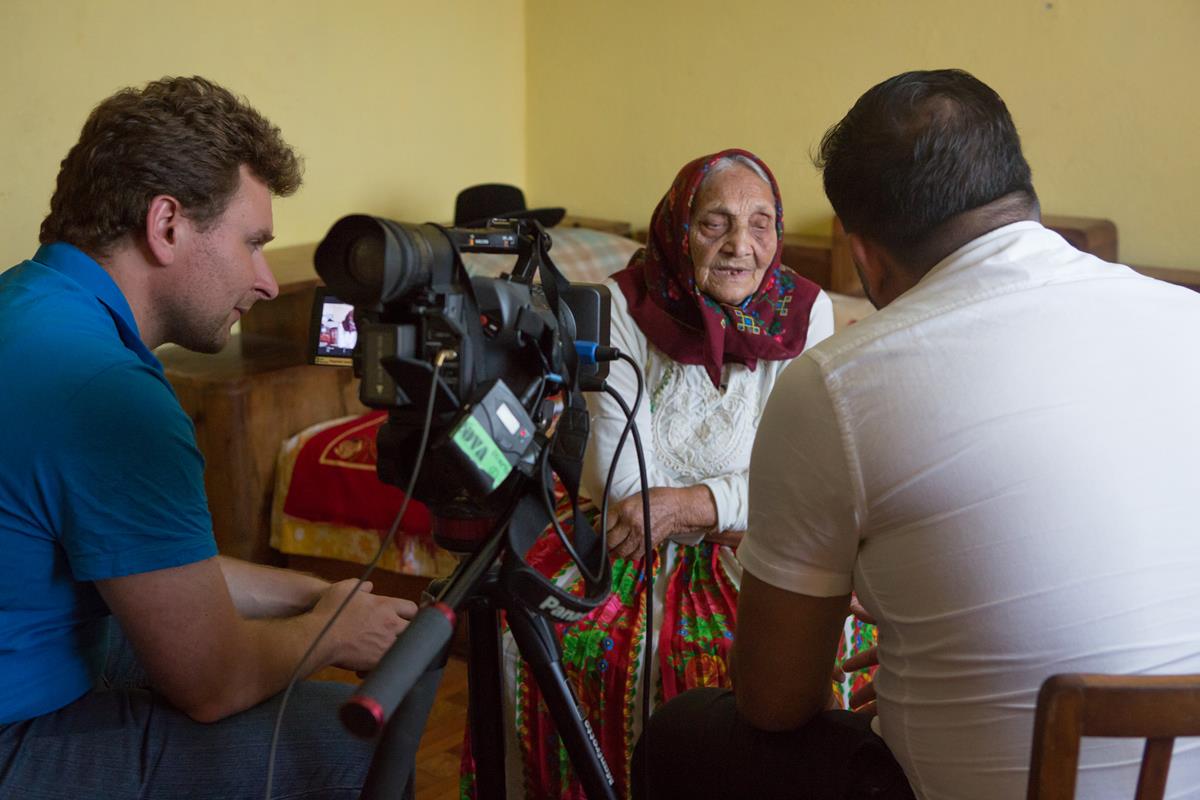
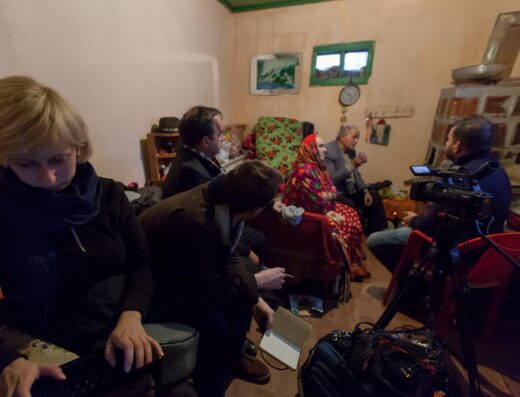
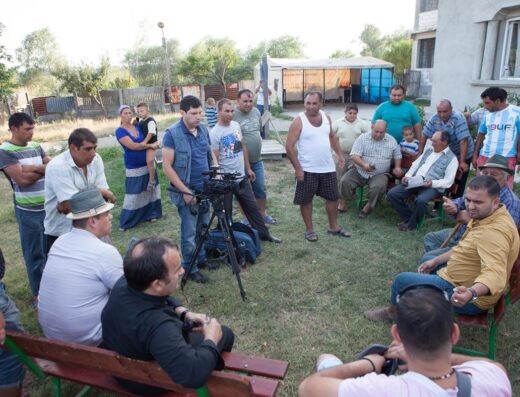
Maria Căldăraru belongs to the group of corturari Roma (tent-dwelling Roma). Adrian Nicolae Furtună and Oana Burcea interviewed her in 2017, when she provided interesting details about the tragedy of the deportation to Transnistria (see Furtună 2018, 49-54).
Categories
Features
Regions
Video
Location
Related Testimonies
Added By Catalin Biban

Please sign in to see contact details.
 Română
  English