


 >
>
Name of the town: Merghindeal (village, commune of Merghindeal)
Region, country: Sibiu County, Transylvania region (Romania)
Date of deportation: June – August 1942
Excerpt from testimony:
“After winter came, all the [deported] Roma were moved to kolkhozes attached to various villages [in Transnistria]. To transport them, the Russians arrived with carts and asked the gendarmes for the number of Roma they needed for their kolkhoz. The interviewee was relocated, together with some 150 other Roma, to the kolkhoz of Romanovka, in Balta County. […] Within a few months, nearly a hundred [deportees] died of typhus and hunger. The bodies were buried in two mass graves dug by the Russians near the village. They remained there for two years, living in stables the first year and in dugouts the second. […]”
Romanian archives (if they exist):
Unfortunately, no archival documents related to the Roma deported from Merghindeal have been identified.
Historical note on the Roma:
The village of Merghindeal (in German, Mergenthal; in Hungarian, Morgonda) is the seat of the commune of the same name, located approximately 60 km from the city of Sibiu. The village was founded in the 13th–14th centuries by Saxon colonists, alongside whom Romanian families settled. The 1850 population census identified 1,106 inhabitants in the commune of Merghindeal (666 Saxons, 329 Romanians, and 110 Roma) (SCT 1996, 308-309). In 1930, 1,258 inhabitants were registered, of whom 808 were Germans and 449 Romanians (RGP 1930, II.1: 192-193). According to oral history sources (Zidaru 2013, 245-251), a few families of corturari Roma (tent-dwelling Roma) lived on the outskirts of the village in the interwar years. They practiced their traditional craft (making cauldrons, buckets, and metal utensils) but also worked as agricultural day laborers on the lands of the Saxon villagers. After the establishment of the communist regime, a large part of the local Saxons emigrated to the German Democratic Republic, being directly affected by the provisions of the 1945 agrarian reform and the 1950 law on the nationalization of real estate. Several Roma families were settled in Merghindeal under the communist regime, receiving house plots and agricultural land (which was later collectivized).
Historical note on the deportation:
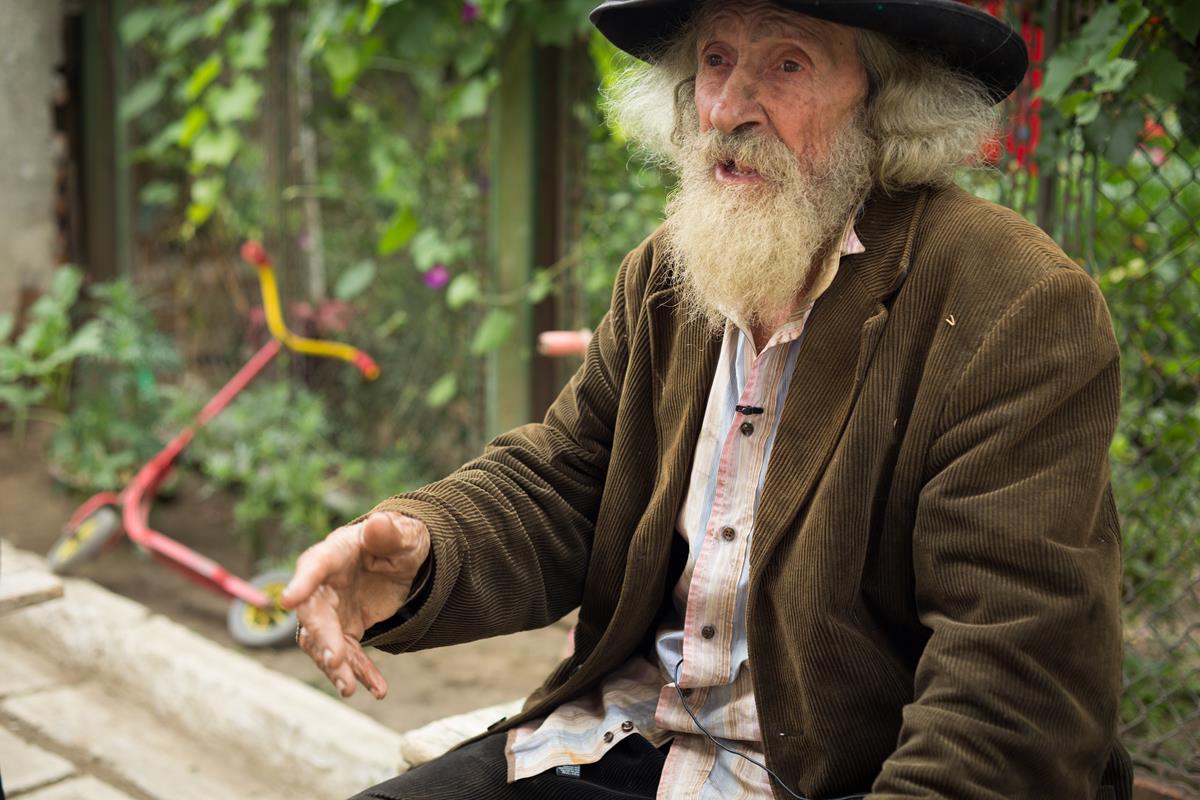
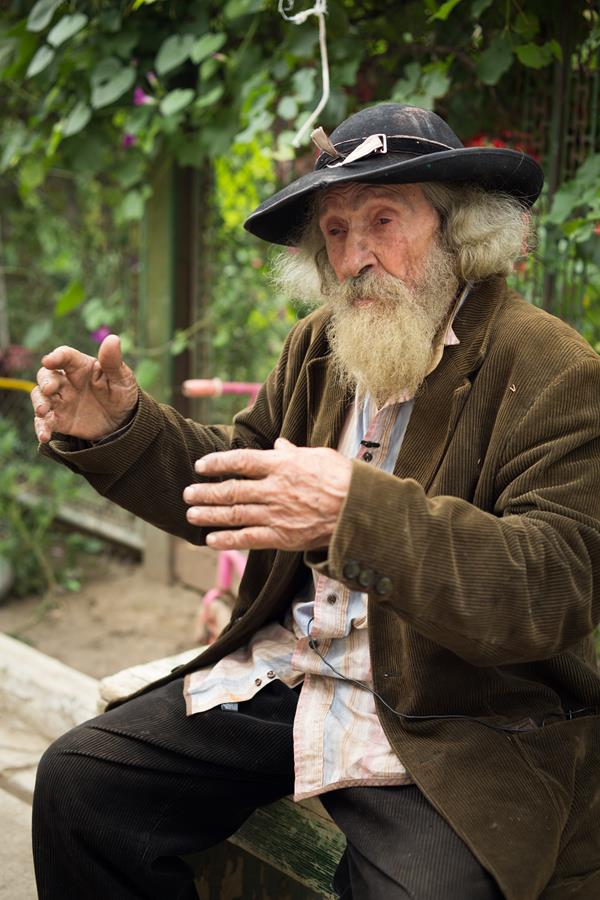
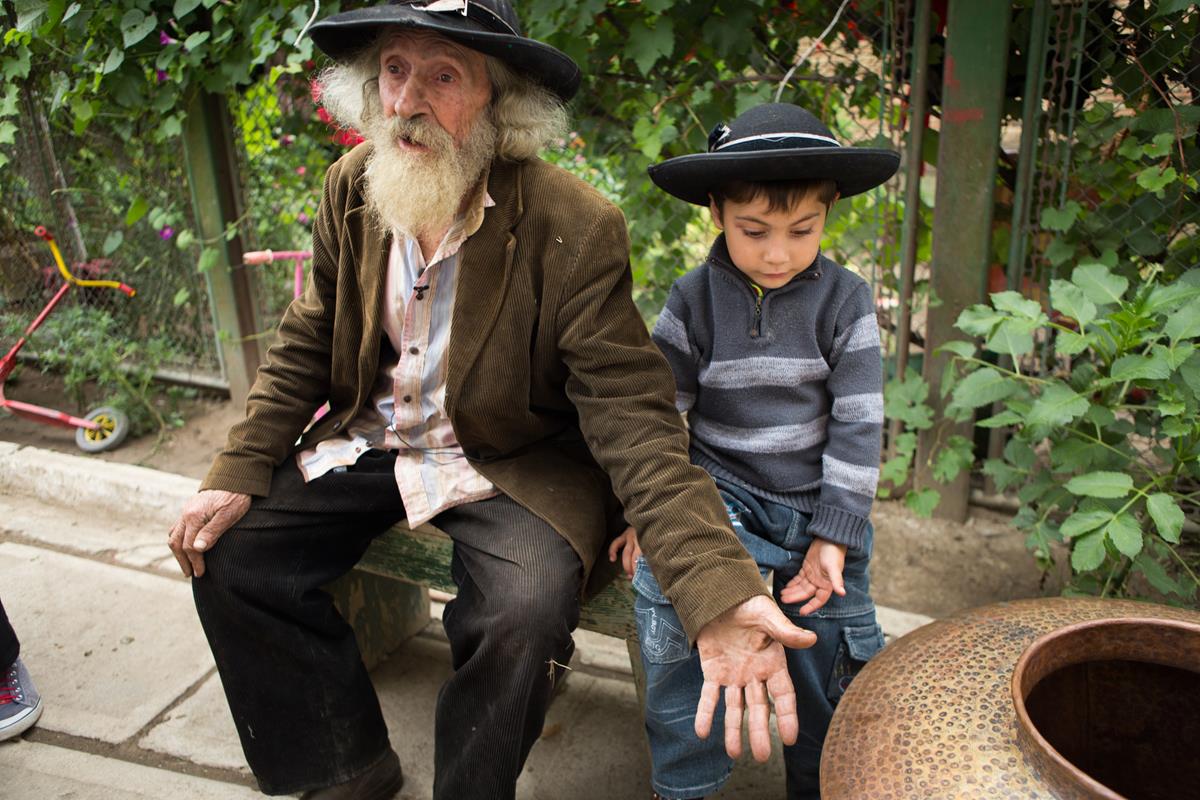
Nicolae Clopotaru and his family (his parents and three brothers and sisters) traveled by cart through the villages of southern Transylvania, making cauldrons and selling them to the villagers. They were arrested in the summer of 1942, together with 10 other families of corturari Roma, while they were in the village of Veșeud. The local authorities promised them that they would lead a better life in Transnistria. The deportation was carried out in several stages. First, the nomadic Roma of the region were escorted by gendarmes to the town of Agnita. Once there, the Roma formed a convoy of carts, which moved from village to village to the border. The convoy periodically made camp on the outskirts of the villages, under gendarme guard.
After several months on the road, Nicolae Clopotaru and his family arrived in Transnistria in the autumn of 1942. In a first phase (autumn–winter 1942), they were placed in a vacant field near a kolkhoz, under gendarme guard. Their horses and carts were confiscated, and the deportees received meager food rations. Famine, cold, and typhus wrought havoc among the deportees (the bodies were buried in mass graves).
In the spring of 1943, the interviewee and some 150 other Roma were relocated to the vicinity of a kolkhoz in the locality of Romanovka (Balta County). They lived for two years in the kolkhoz stables, and later in dugouts nearby. The deportees performed exhausting agricultural work in exchange for small food rations. Famine and typhus continued to claim hundreds of victims among the Roma. To survive, some slipped out of the stables secretly to obtain food (they bartered, offering the locals of the neighboring villages clothes, gold, and other objects in exchange for food).
Remarkably, the interviewee’s father, a soldier mobilized at the front, joined his family in Transnistria. He had not been deported in 1942 (he was serving in the army), but after being demobilized he did everything he could to find his deported family. Sadly, both the father and the uncle of Nicolae Clopotaru lost their lives in Transnistria.
The few Roma who survived the horrors of Transnistria returned to Romania in the spring–summer of 1944, following the Romanian and German troops retreating in the face of the advancing Red Army. The interviewee crossed the Dniester and, together with his family, boarded a train bound for Romania.
Brief note on a Roma subgroup:
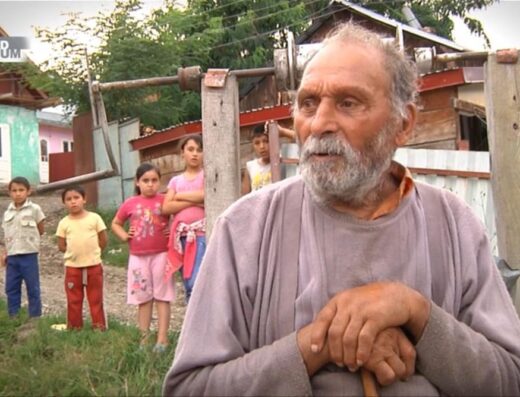
Nicolae Clopotaru belongs to the corturari (tent-dwelling Roma), a traditional Roma group of southern Transylvania. He has taken part in at least one other interview, in which he provided detailed information on the deportations to Transnistria (see Furtună 2018, 38-44).
Categories
Features
Regions
Video
Location
Related Testimonies

Added By Catalin Biban

Please sign in to see contact details.
 Română
  English