
 >
>
Name of the town: Brateiu (village, commune of Brateiu)
Region, country: Sibiu County, Transylvania region (Romania)
Date of deportation: June – August 1942
Excerpt from testimony:
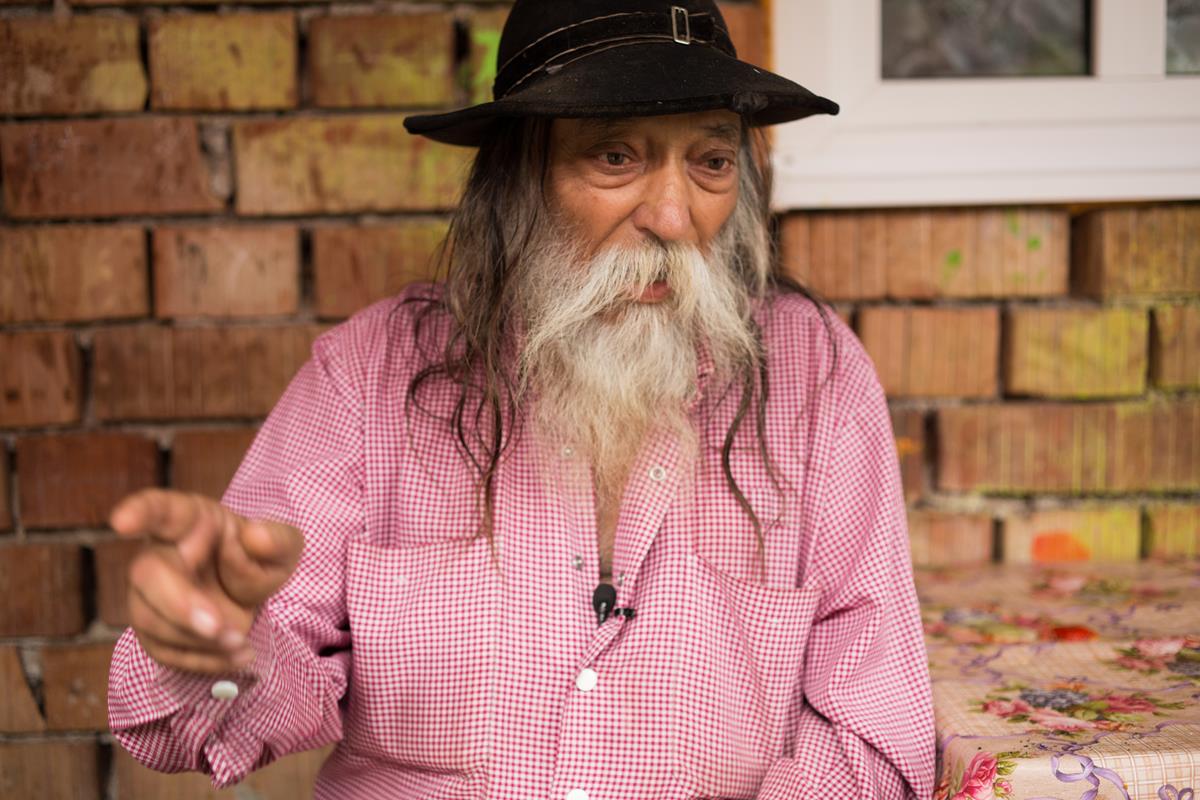
“The group to which the interviewee belonged was relocated to a deserted field, without any kind of enclosure, situated near some villages whose names she no longer remembers. To survive, the Roma worked for the villagers (performing agricultural work as day laborers). They were deported for two years. The group no longer had a bulibașă [traditional leader], because they were in another country and the rules were different. In that place she encountered several groups of deported Roma, such as lăieși, ursari, corturari, and rudari [various traditional Roma groups], as well as sedentary Roma. Many Roma died during the deportations. Their bodies were buried in small pits.”
Romanian archives (if they exist):
Unfortunately, no archival documents related to the Roma deported from Brateiu have been identified.
Historical note on the Roma:
Brateiu is a village in the commune of the same name in Sibiu County, located about 5 km from Mediaș. The locality has a centuries-old history, having been founded by Saxon colonists in the 13th century. Its demographic structure changed profoundly in the postwar years, following the mass deportation of the German-speaking population to the USSR and the emigration of the Saxons to the Federal Republic of Germany. In some depopulated areas and abandoned houses, the new communist regime settled corturari Roma (tent-dwelling Roma), who until then had led a semi-nomadic way of life. Until the 1950s–1960s, the corturari lived, as their name indicates, in tents, and made cauldrons, tools, and metal utensils (Burcea 2015, 619). The families traveled from village to village in carts to sell their products to the locals. This centuries-old craft is still practiced among the corturari of Brateiu, who form one of the largest communities of traditional Roma in southern Transylvania.
Historical note on the deportation:
The interviewee’s family was arrested in the village of Brateiu in the summer of 1942. All the nomads present within the village limits were rounded up by the gendarmes, under the pretext that they would receive land in Transnistria. The Roma deportees loaded their belongings into their carts and set off, under gendarme escort, for Transnistria. When they crossed the border, their carts, horses, and valuables were confiscated. They were thus forced to cover the next stage of the route on foot.
After arriving in Transnistria, the group of corturari Roma was relocated to a deserted field near several villages (the interviewee no longer remembers their names). Alongside the corturari, other Roma groups (lăieși, ursari, rudari, and sedentary Roma) were also resettled there. Since they received no food rations, many Roma had to work as day laborers for the local Ukrainians to obtain food, exposing themselves to great risks. The interviewee recalled that a small group of Roma who had gone out in search of food was massacred, probably by the troops patrolling the region. Many Roma died from material deprivation and epidemics, and the bodies were buried by the other deportees. The toll of the deportations was particularly tragic: the interviewee lost five members of her family in Transnistria.
The few Roma survivors returned to Romania, probably in the spring–summer of 1944. The journey home was long and exhausting; part of it was covered by cart, part on foot.
Brief note on a Roma subgroup:
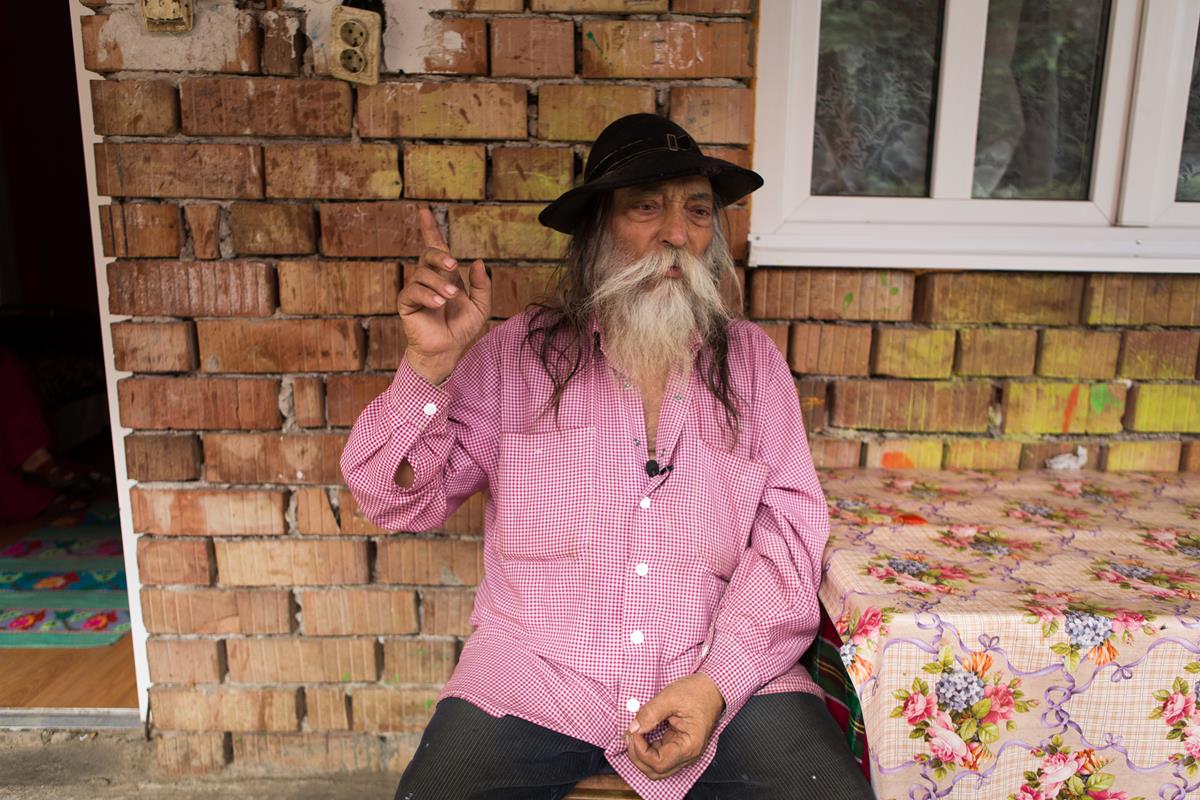
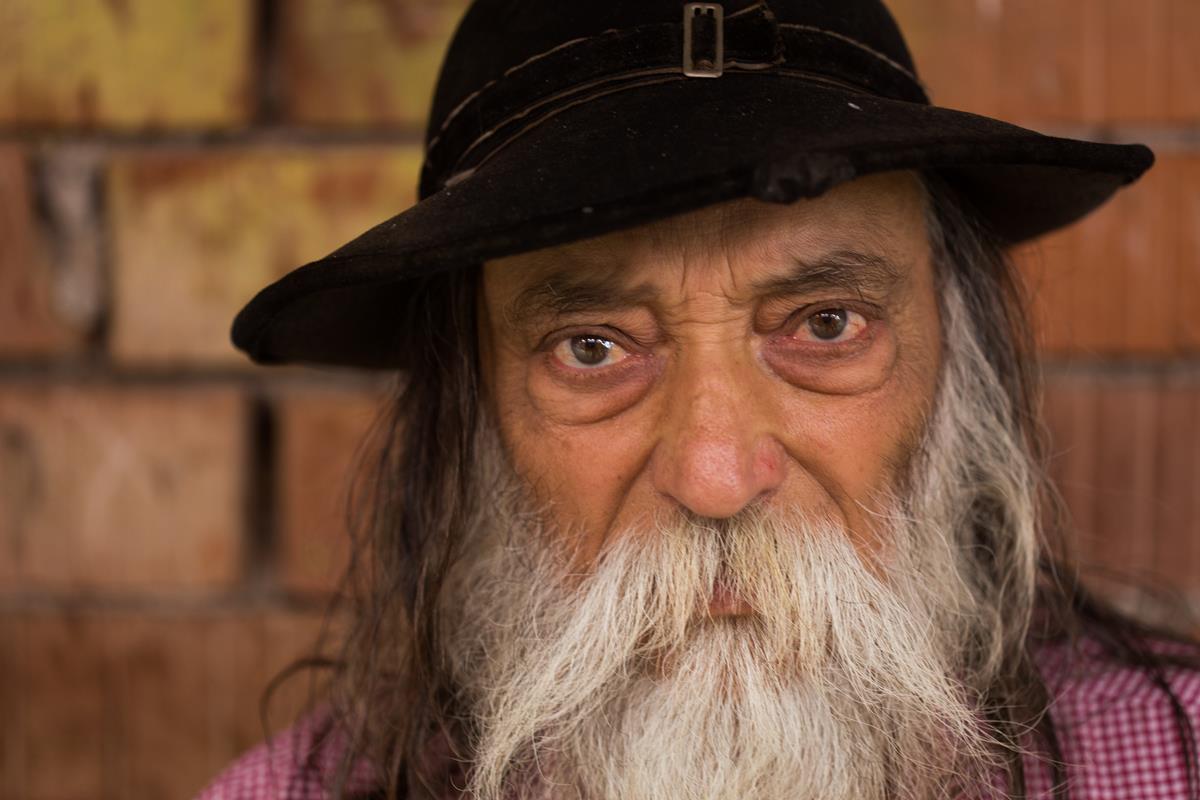
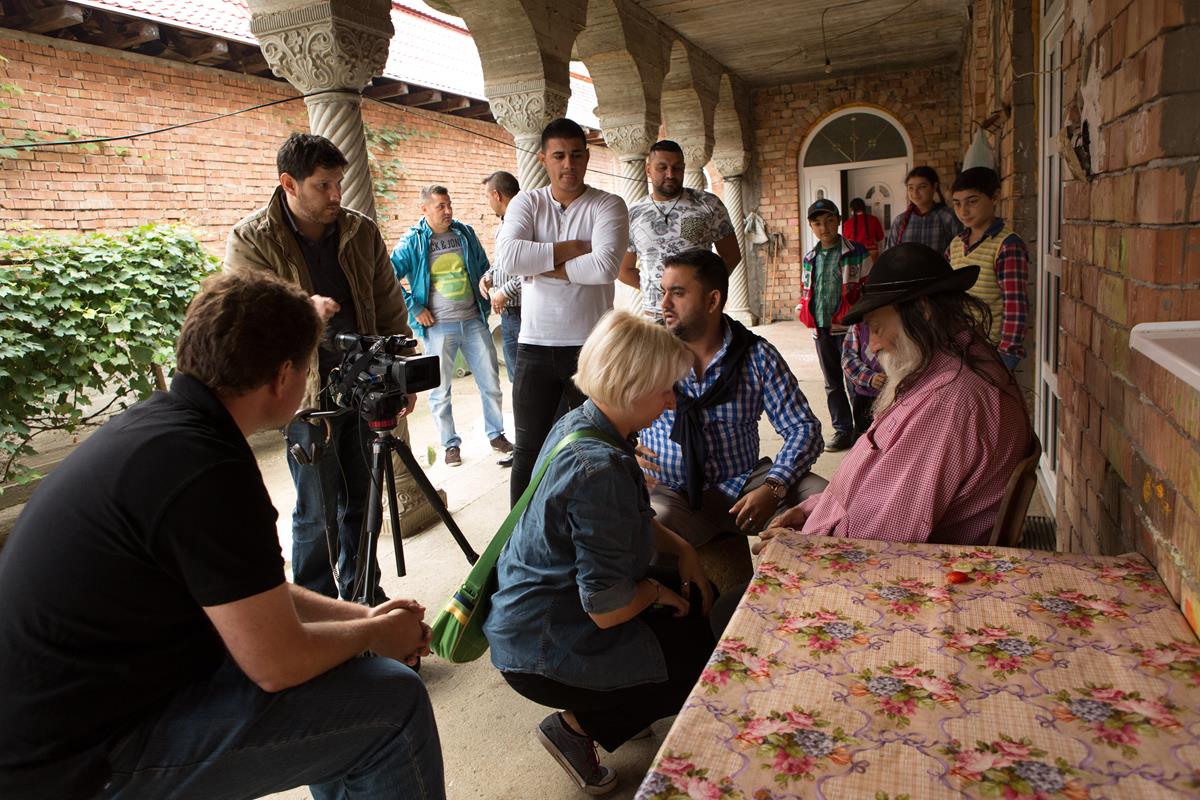
Ița Căldăraru belongs to the group of corturari Roma (tent-dwelling Roma) of Transylvania. The tragedy of this group has also been documented in a series of interviews with survivors of the deportations to Transnistria (Furtună 2012, 17-51; Furtună 2018, 38-61).
Categories
Features
Regions
Video
Location
Related Testimonies
Added By Catalin Biban

Please sign in to see contact details.
 Română
  English