
 >
>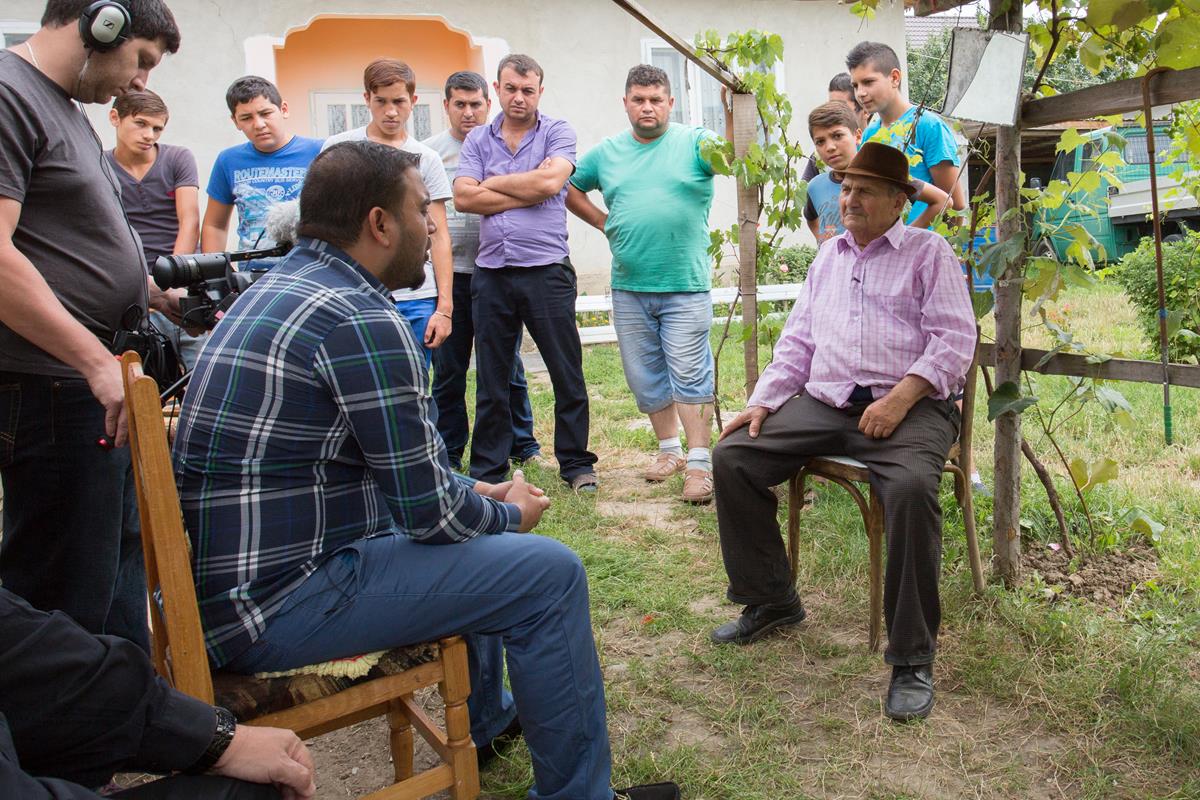
Name of the town: Verești (village, commune of Verești)
Region, country: Suceava County, Moldova region (Romania)
Date of deportation: June – August 1942
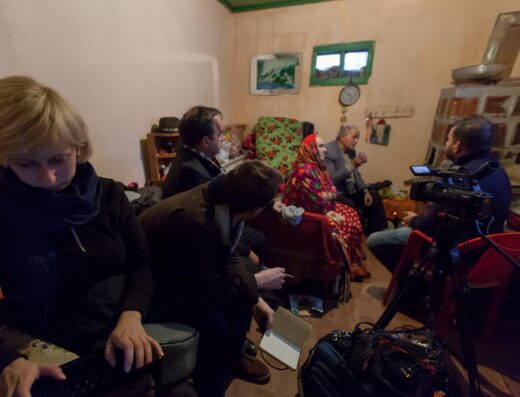
Excerpt from testimony:
“Upon arrival [in Transnistria], all their belongings (carts and animals) were confiscated and handed over to the kolkhoz. Some [Roma deportees] were beaten and injured when they refused to hand over their belongings. The interviewee described the camp in Bessarabia at Tridubi. The camp was surrounded by barbed wire. Inside the camp there was a place for cooking. Some Roma slept in tents, others in huts assigned by the bulibași [traditional leaders]. The camp was guarded by Romanian gendarmes. Food was distributed to them, but not on a fixed schedule. Despite the risk of punishment, the Roma slipped out of the camp to buy food from the nearby village, located 6–7 kilometers away. To quench their thirst, they drank water from the Bug. The interviewee remained in the camp for three months. Many [Roma] perished. The bodies remained unburied […]”
Romanian archives (if they exist):
Unfortunately, no archival documents related to the Roma deported from Verești have been identified.
Historical note on the Roma:
Verești is the seat of the commune of the same name in Suceava County, located approximately 15 km from the city of Suceava. Around 1900 it had a population of 370 and was situated near a railway junction (MDGR 1902, V: 740). Verești, together with the neighboring village of Hâncea, is home to a significant community of căldărari Roma. In the past they lived in tents and made copper cauldrons. They were made sedentary in the commune of Verești during the communist period. Some members of the community still practice this traditional craft.
Historical note on the deportation:
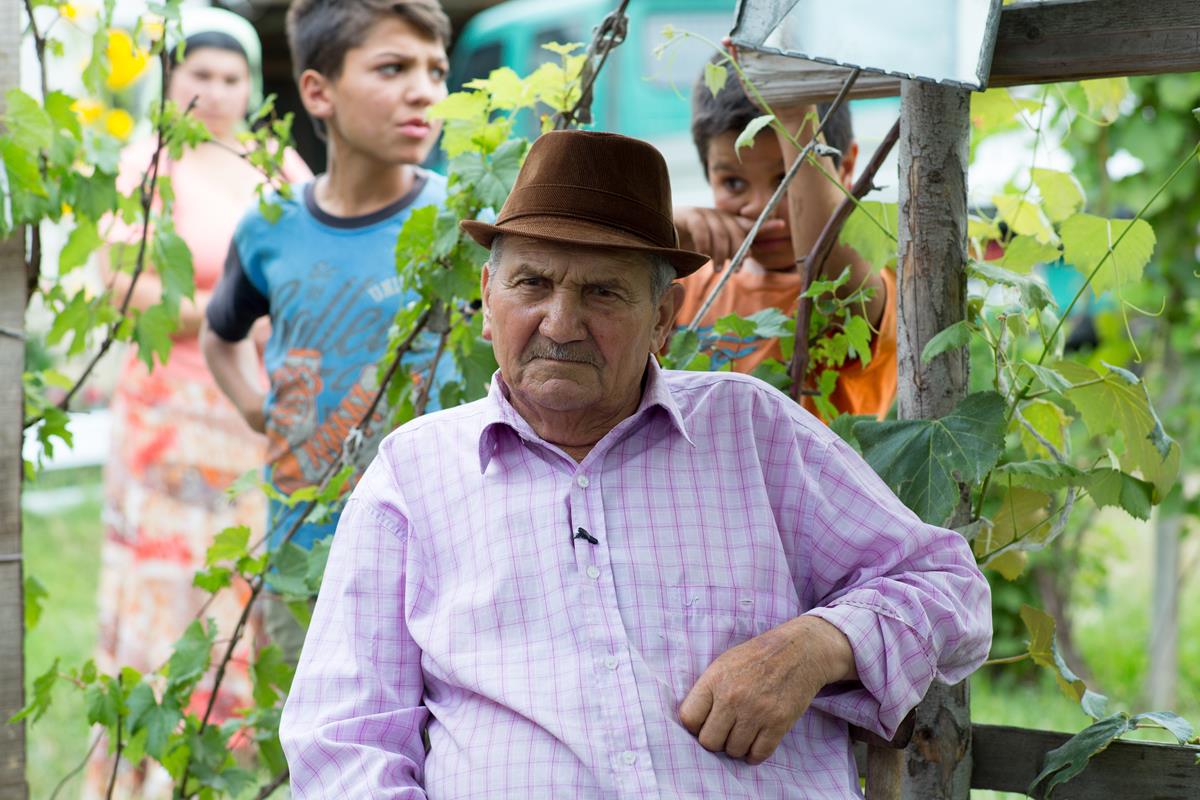
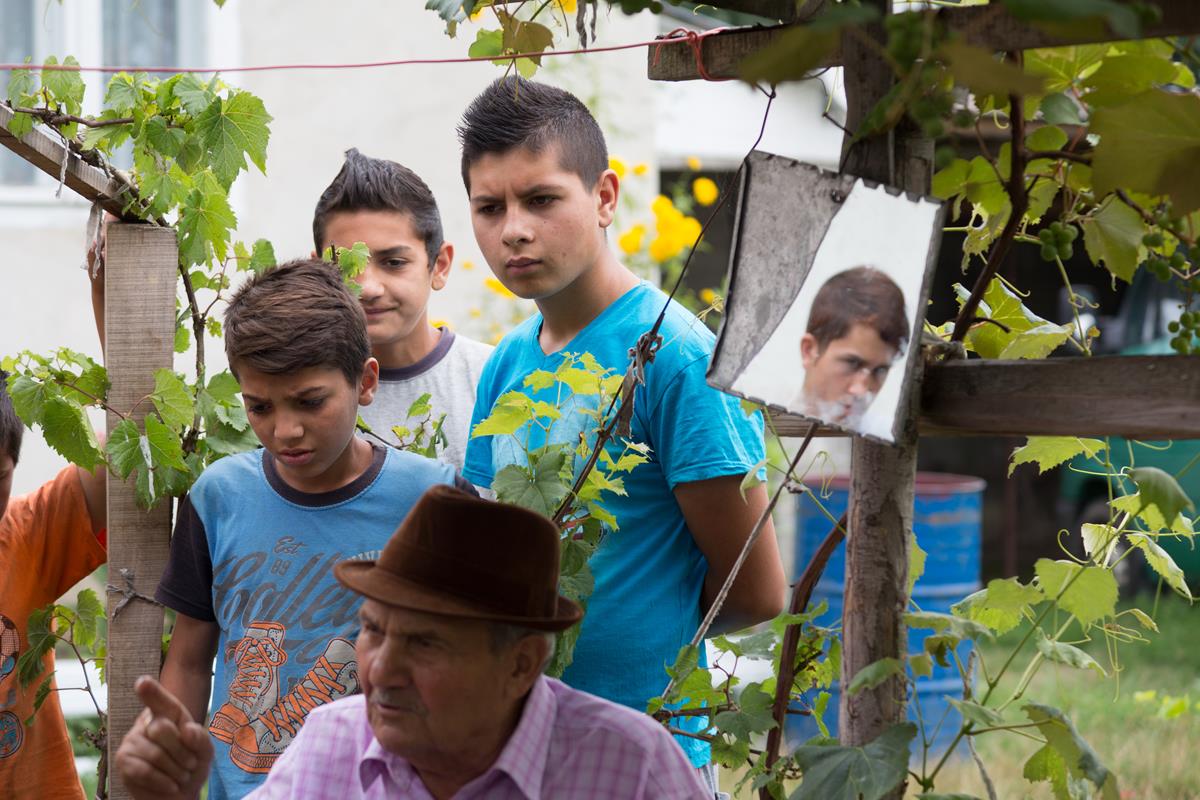
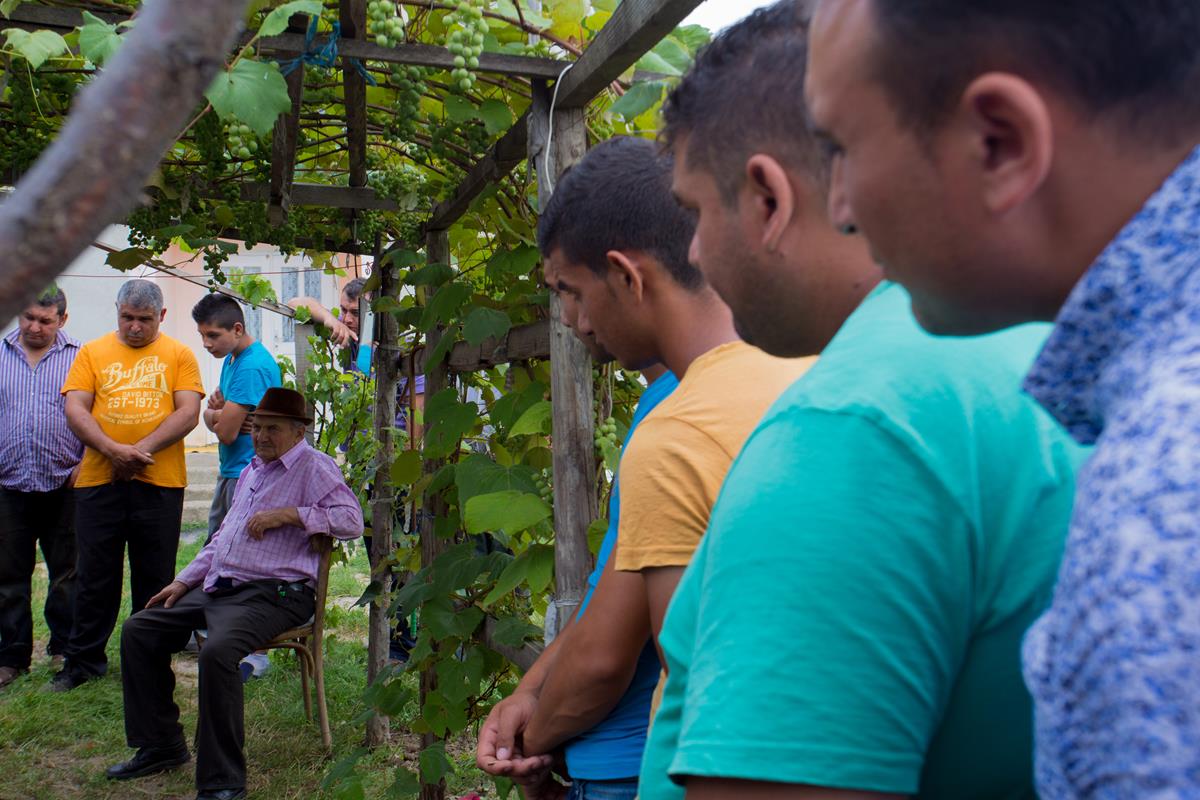
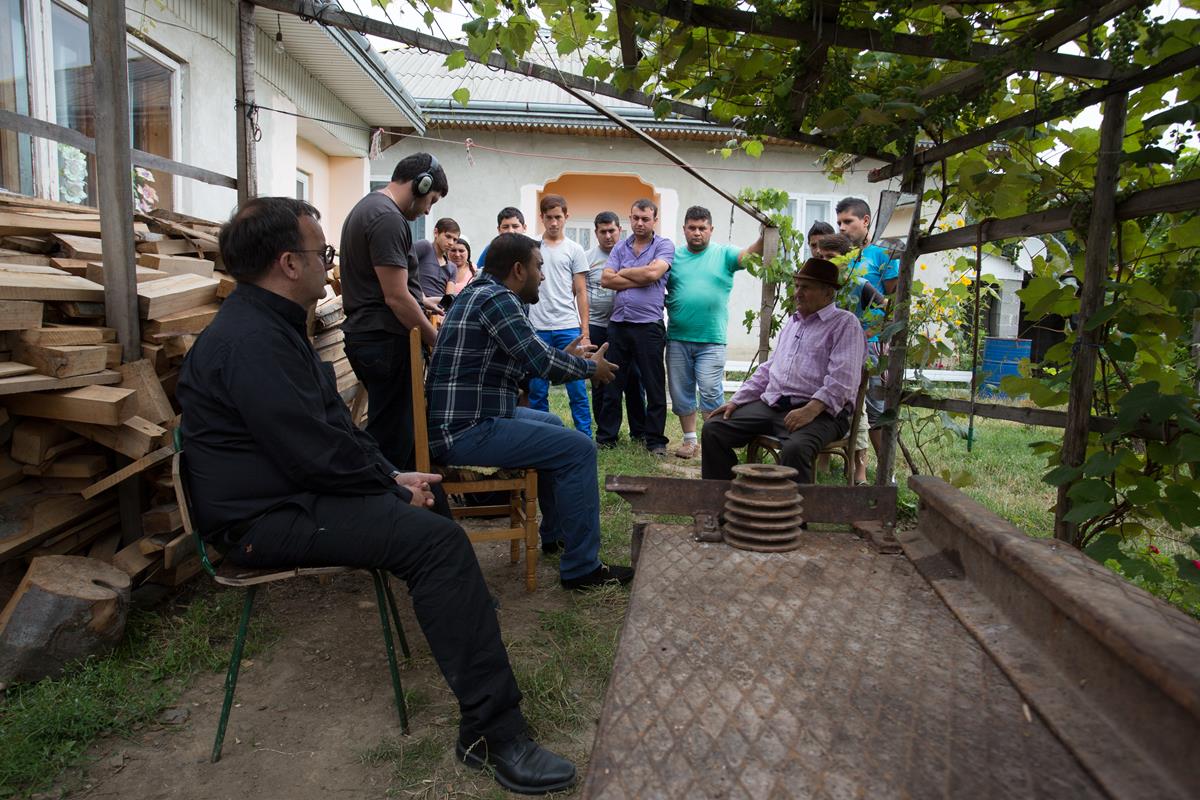
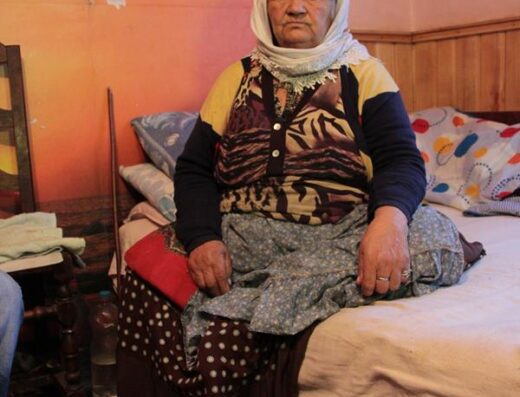
Raitan Stănescu comes from a family of căldărari Roma, who made copper cauldrons and traveled from village to village by cart to sell them. The family was arrested by gendarmes in the summer of 1942, while in the vicinity of the town of Rădăuți. Other nomadic Roma families joined them, forming a convoy of carts that was escorted by gendarmes from post to post to Tiraspol.
After arriving in Transnistria, the interviewee’s family was interned for three months in the camp at Tridubi (Golta County). Their carts and animals were confiscated, and the deportees lived either in tents or in dugouts. Food rations were insufficient and distributed at irregular intervals, so the deportees were forced, despite the prohibitions, to leave the camp clandestinely to obtain food in the neighboring villages. To quench their thirst they drank water from the Bug. The lack of food and drinking water, together with the harsh conditions in the camp, claimed many victims among the deportees. Notably, a camp holding Jewish deportees was located nearby. Living conditions there were just as terrible, according to the interviewee’s testimony: every day, 5 to 6 Jewish deportees died of hunger, and those who tried to escape were executed, their bodies thrown into a mass grave.
The following year, the interviewee’s family was relocated to another locality (Kovaliovka?), where they lived for several months in dugouts made of branches.
The repatriation to Romania probably took place in the spring–summer of 1944. A good part of the journey home was covered on foot.
Brief note on a Roma subgroup:
Raitan Stănescu belongs to a family of căldărari Roma (Roma specialized in metalworking).
Categories
Features
Regions
Video
Location
Related Testimonies
Added By Catalin Biban

Please sign in to see contact details.
 Română
  English