
 >
>
Name of the town: Bradu (village, town of Avrig)
Region, country: Sibiu County, Transylvania region (Romania)
Date of deportation: June 1942
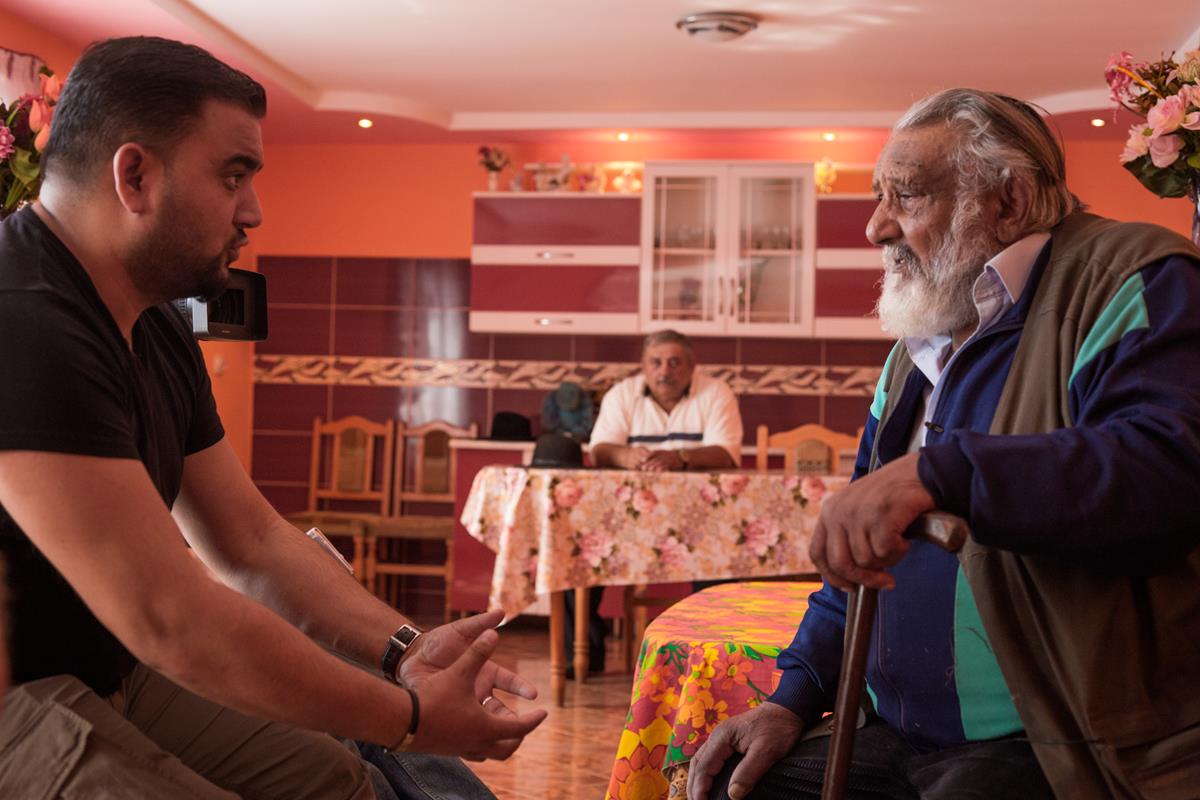
Excerpt from testimony:
“[…] Later, the group to which the interviewee belonged was relocated to a camp near Domanevka [Golta County, Transnistria]. The camp was set up in a deserted, unfenced field, which was nevertheless kept under watch [by gendarmes]. Their carts and horses were confiscated. Near the camp there was a place where the Roma could go to buy food—but only those who had money. They remained there until November [1942]. Many Roma died in the camp. The bodies were buried. Because of the lack of food, there were cases of cannibalism.”
Romanian archives (if they exist):
Unfortunately, no archival documents related to the Roma deported from Bradu have been identified.
Historical note on the Roma:
Situated on the banks of the Olt River, the village of Bradu (in German, Gierelsau; in Hungarian, Fenyőfalva) belongs to the town of Avrig and is located approximately 40 km from the city of Sibiu. The village was founded around the 14th century by German colonists; Hungarian and Romanian families settled alongside them (Diaconovich 1898, I: 557). The first Roma families probably settled in the village in the course of the 18th century (Balteșiu 2017, xxv). Around 1850, the commune of Bradu had 845 inhabitants, of whom 440 were Saxons, 253 Romanians, 4 Hungarians, and 129 Roma (SCT 1996, 298-299). Nearly 80 years later, the 1930 census recorded 121 sedentary Roma in the locality, out of a total of 1,240 inhabitants (RGP 1930, II.1: 410-411). Alongside them, some 25 families of căldărari settled on the outskirts of the village; they traveled through the nearby villages to sell the copper cauldrons and vessels they made. The demographic situation changed radically in the postwar years, following the mass deportation of the Saxon inhabitants to the USSR in 1945 and their subsequent emigration to the Federal Republic of Germany. A good part of the Saxons’ houses and lands were redistributed by the communist regime to local Romanians and Roma (Balteșiu 2017, xxvii).
Historical note on the deportation:
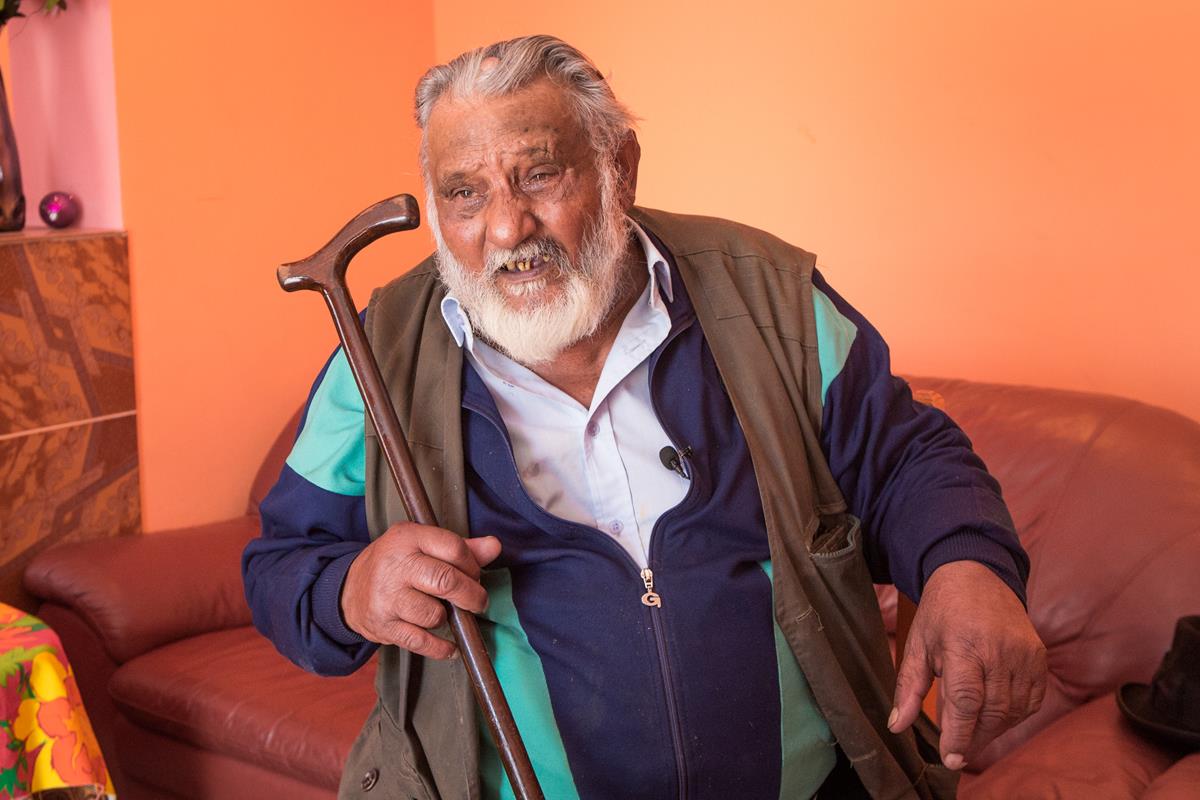
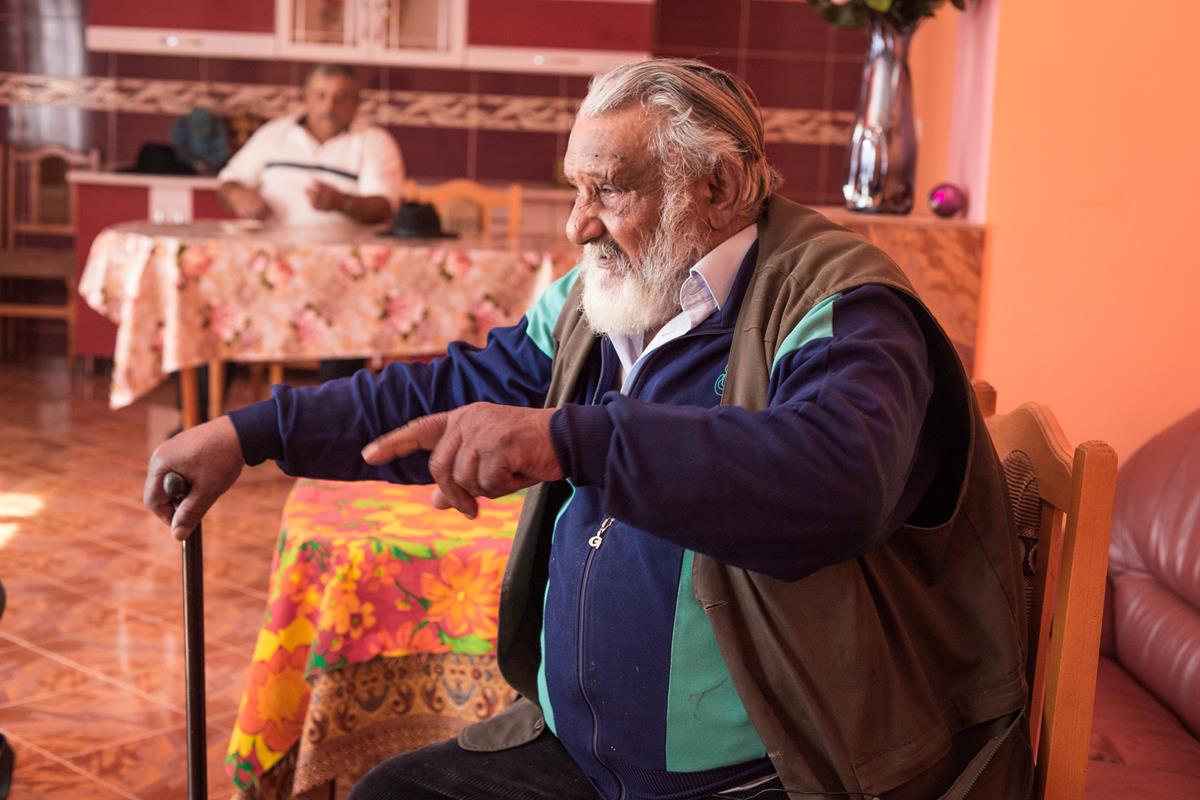
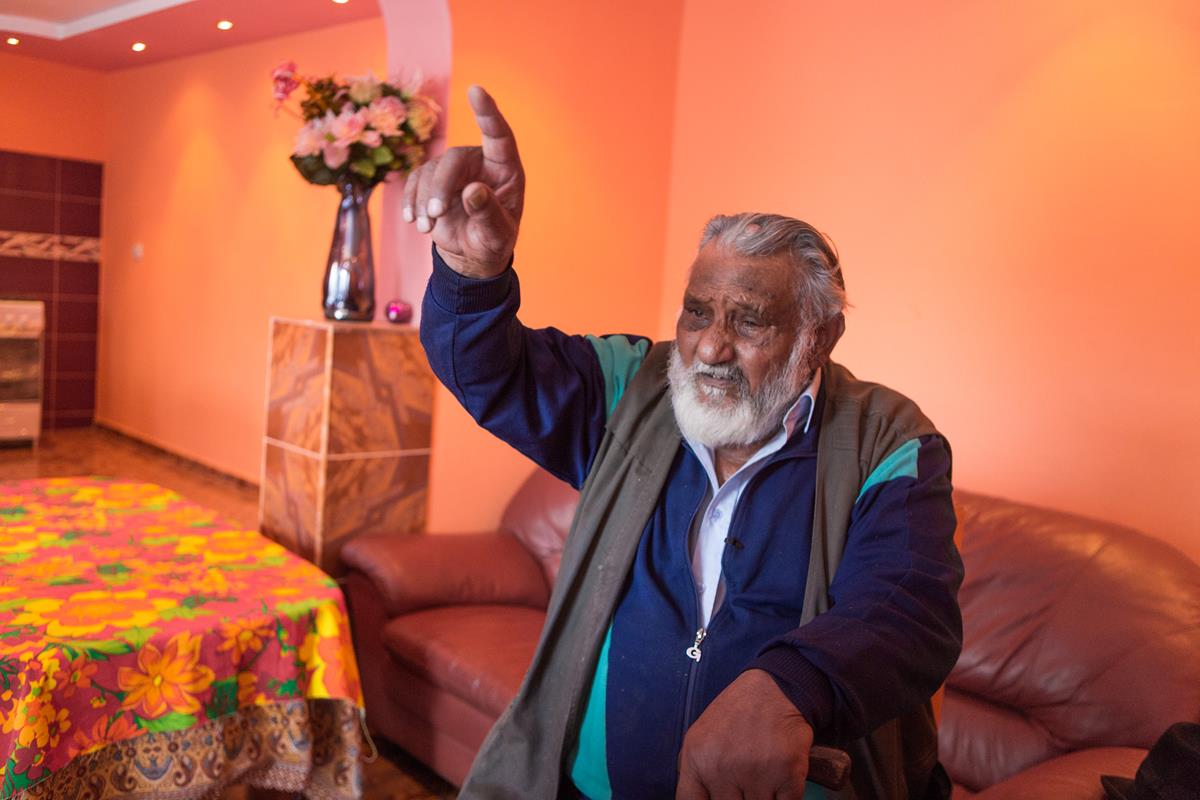
Danciu Victor and his family (his parents and five children) were arrested by gendarmes in the village of Bradu in the summer of 1942. Their cart was included in a convoy of 40 carts and escorted by gendarmes from post to post, probably following the Oancea–Tighina–Tiraspol route, to Transnistria.
The convoy of deportees arrived in Transnistria in October 1942. The gendarmes confiscated almost all their gold and silver and then relocated them to a field near the commune of Domanevka (Golta County). After their horses and carts were confiscated, the deportees set up camp in a deserted field. As they initially received no food rations, typhus and malnutrition claimed many victims among the deportees, driving some of them to extreme acts such as cannibalism.
In 1943, Danciu Victor and his family were moved to the commune of Katerinka (Golta County). Some 15 families were crammed into a house abandoned by the locals and forced to work on a nearby kolkhoz in exchange for meager food rations. Many Roma died from the cold and typhus, and their bodies were buried in mass graves.
The repatriation took place in the spring–summer of 1944, as the front line moved toward the Dniester. The deportees made their way back to Romania by train and on foot, avoiding the German troops. But when Danciu Victor’s family took refuge in an abandoned factory in Tiraspol, the father was shot by a German patrol. The rest of the family finally managed to return to the country.
Brief note on a Roma subgroup:
Danciu Victor belongs to the group of căldărari Roma (Roma specialized in metalworking).
Categories
Features
Regions
Video
Location
Related Testimonies



Added By Catalin Biban

Please sign in to see contact details.
 Română
  English