
 >
>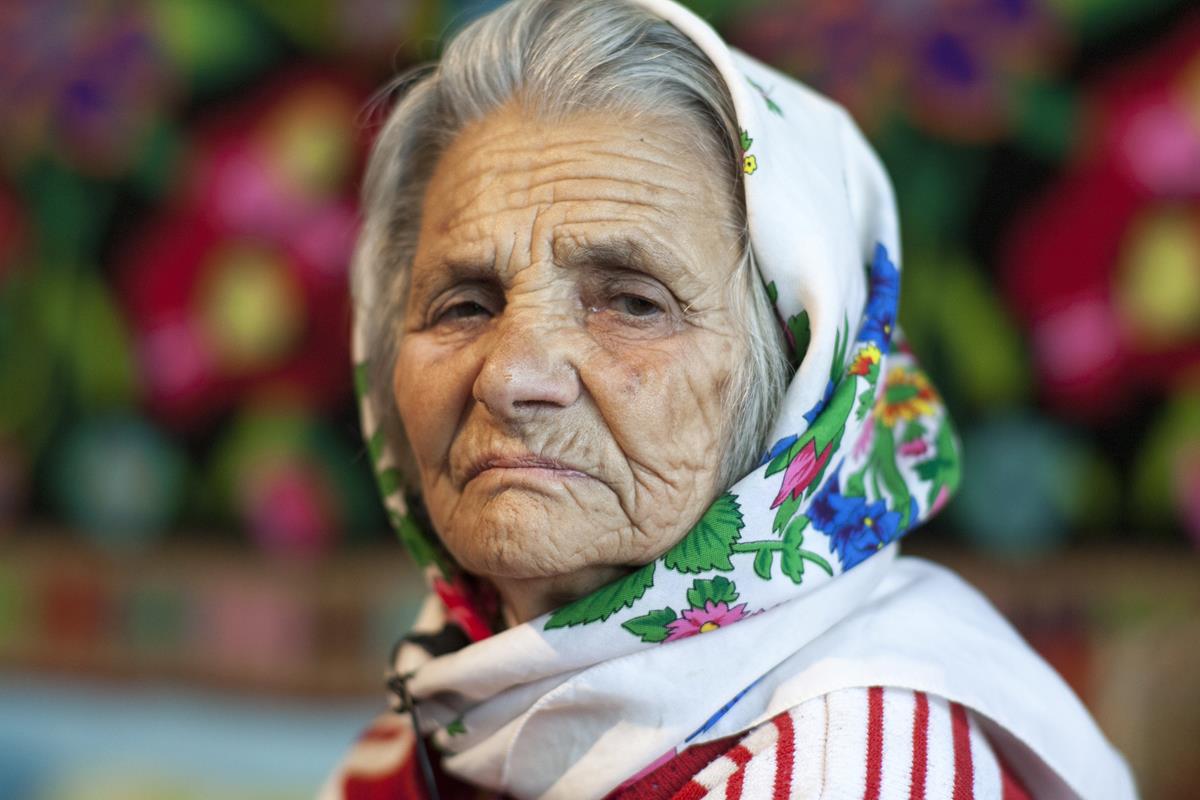
Name of the town: Murgeni (town; formerly in Tutova County, now Vaslui County)
Region, country: Vaslui County, Moldova region (Romania)
Date of deportation: June – August 1942
Excerpt from testimony:
“[…] After they arrived [in Transnistria], the Roma were placed in a large stable belonging to the kolkhoz, not far from Domanevka. Life was hard. The carts, together with all their luggage, were burned. Some [deportees] slipped out of the stable to search for food. The stable was guarded by Russians. Many [deportees] died, and their bodies were buried by the Russians and the Roma in a ditch near the stable. The interviewee’s father died there. The Germans shot him because he refused to hand over his cart and horses.”
Romanian archives (if they exist):
A report of the General Inspectorate of the Gendarmerie states that, during the census of May 1942, 131 nomads and 8 carts were registered in Tutova County (to which the commune of Murgeni belonged) (Romanian national archives (ANI), General Inspectorate of the Gendarmerie fonds (fond IGJ), file no. 260: f. 86).
Historical note on the Roma:
The town of Murgeni is located in Vaslui County, approximately 35 km from Bârlad. Documented as early as the 15th century as a village, it was raised to the rank of market town around 1844. Around 1900 it had 1,830 inhabitants (MDGR 1901, IV: 424). The general census of 1930 recorded 1,424 inhabitants, of whom 5 were Jews and 7 were sedentary Roma (RGP 1930, II: 488-489). Murgeni was raised to the rank of town in 2003 and is home to two significant communities of ursari and căldărari Roma.
Historical note on the deportation:
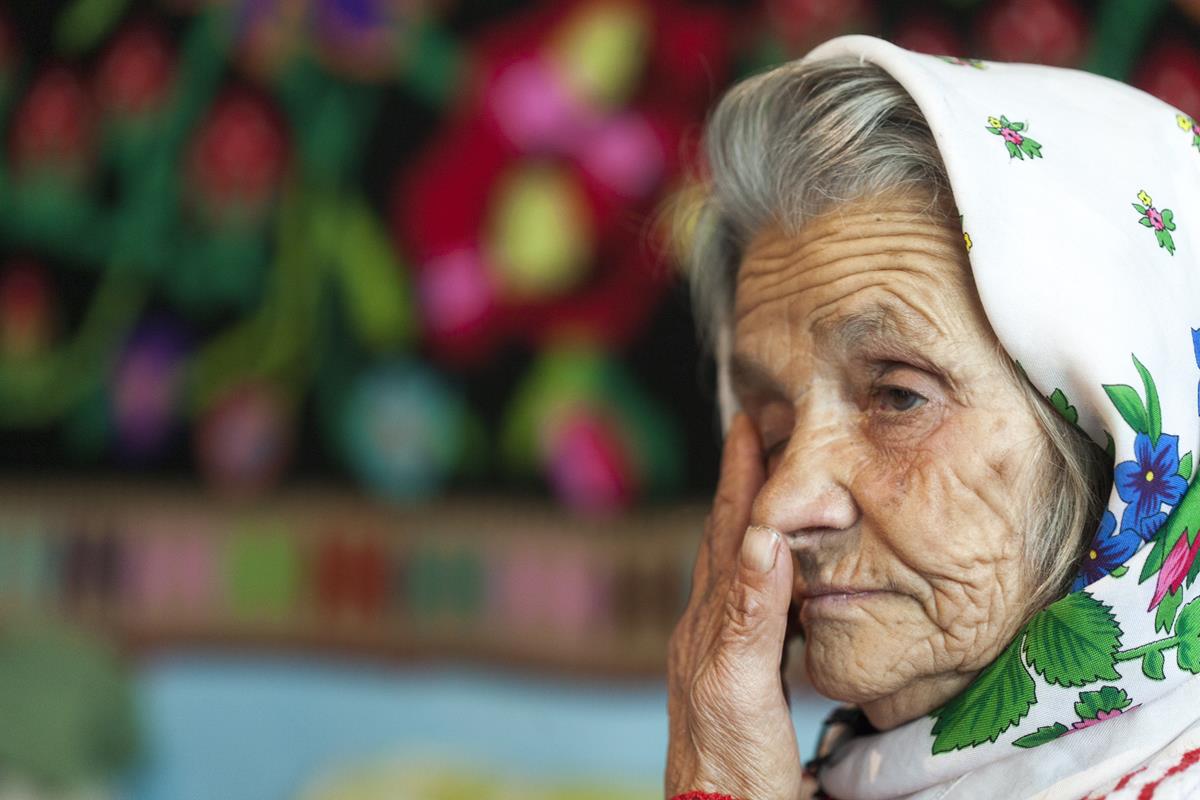
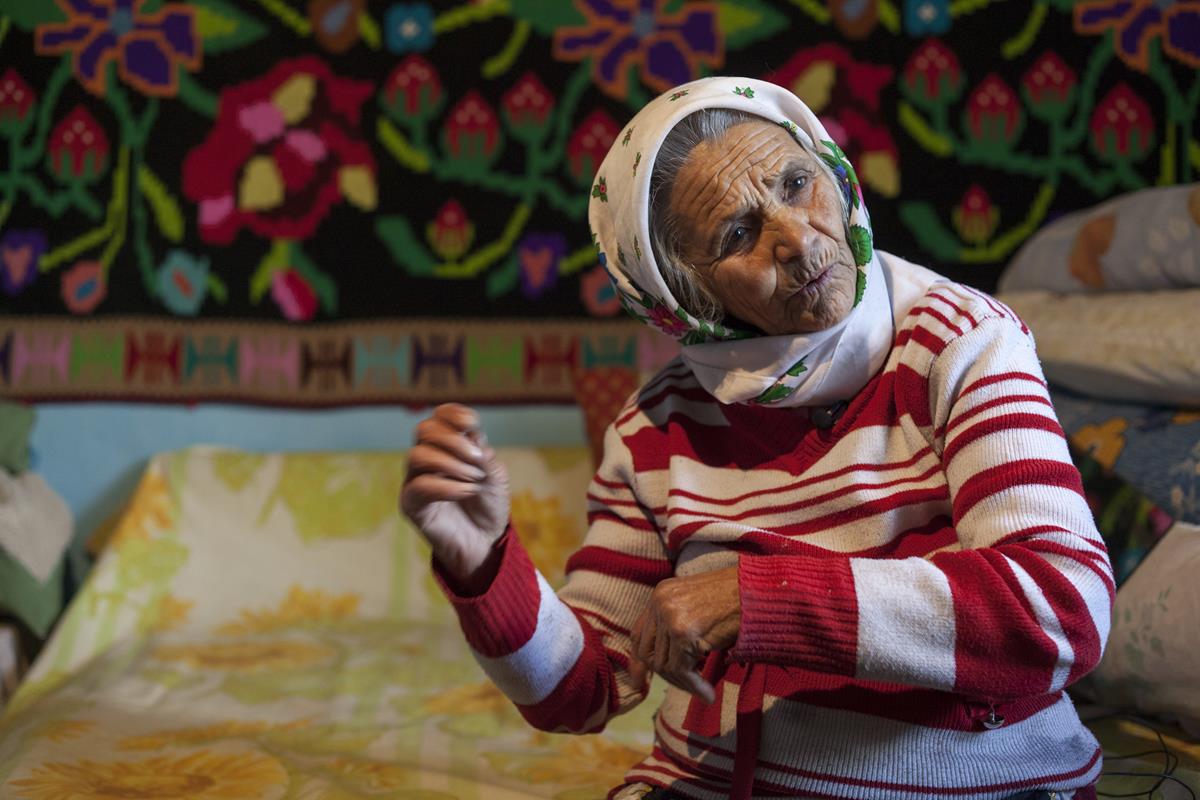
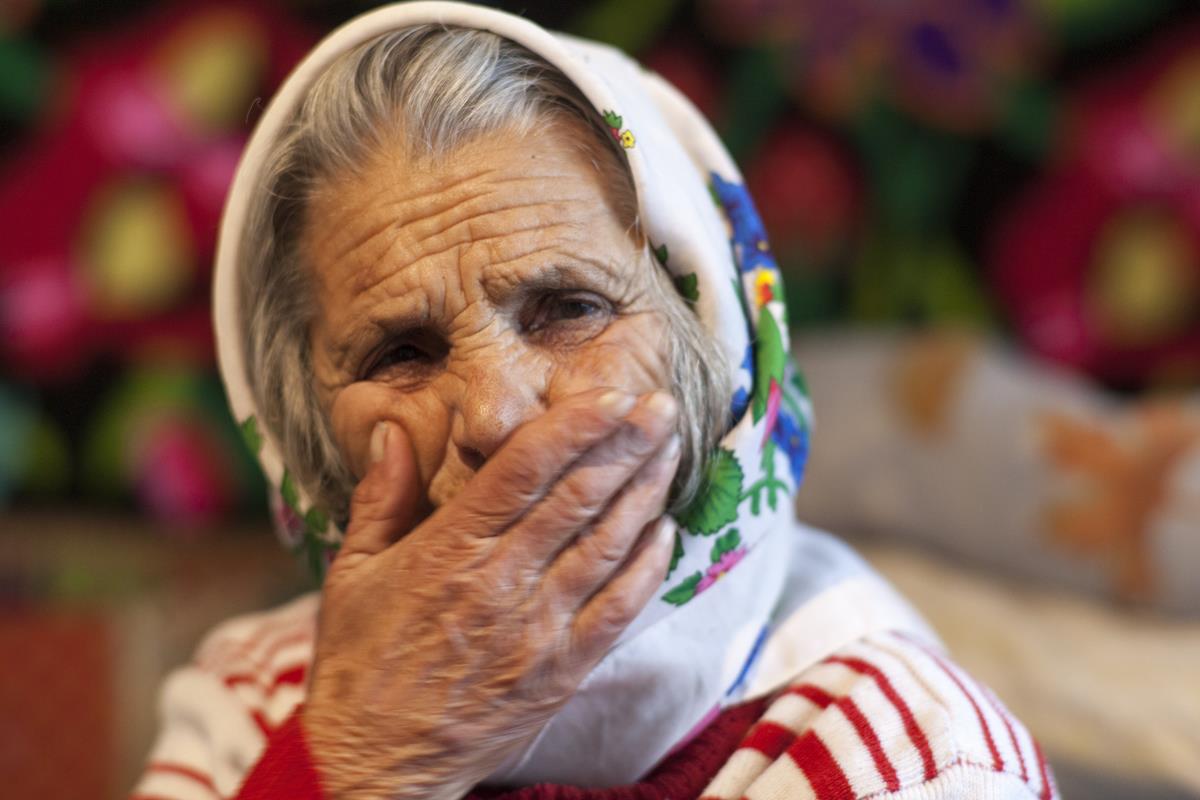
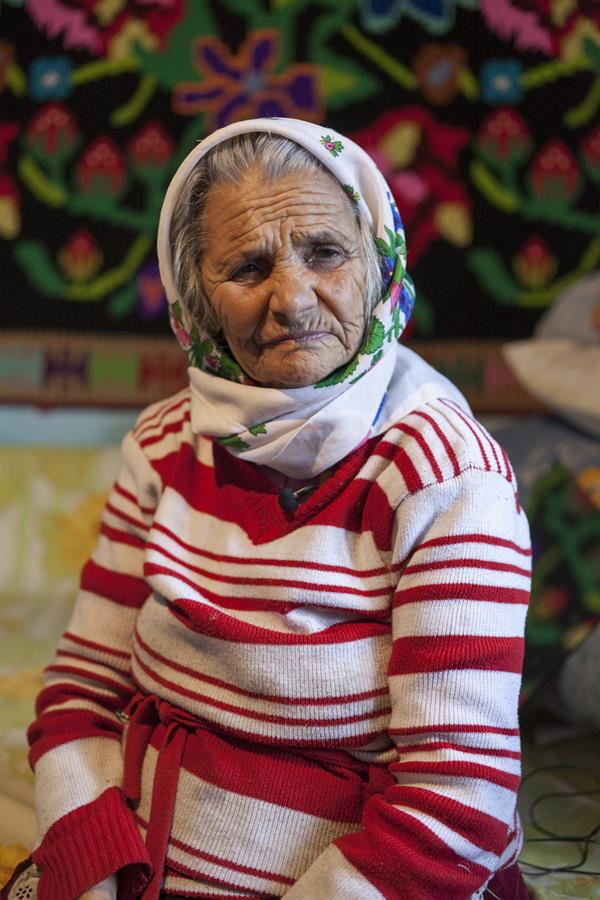
Marina Mirusa and her family were deported from Murgeni in the summer of 1942, as part of the first wave of deportations, which targeted nomadic Roma. They were evacuated to Transnistria in their own carts, under the escort of gendarmes who led them from post to post to the border. The deportees were included in a larger column, made up of nomadic Roma belonging to several different groups. No food was provided along the way, but they were given permission to look for food in the villages whenever they stopped.
After arriving in Transnistria, they were relocated to a stable belonging to a kolkhoz located near Domanevka (Golta County). Upon arrival, their carts and most of their luggage were burned. Deportees who tried to resist, such as the interviewee’s father, were shot by the German troops. Life in Transnistria was full of dangers and hardship. The deportees received little food and were forced to slip out of the stable clandestinely, evading the vigilance of the Ukrainian guards, to search for food in the neighboring villages. Many Roma lost their lives, and their bodies were buried by the guards and the deportees in a ditch near the stable.
The return to Romania probably took place in the spring–summer of 1944. The interviewee, together with her brother’s family and her cousins, boarded a train bound for Galați, and from there traveled on to Murgeni.
Brief note on a Roma subgroup:
The interviewee belongs to the group of nomadic Roma (probably căldărari or pieptănari [comb-makers]) who practiced itinerant trade through villages and towns.
Categories
Features
Regions
Video
Location
Related Testimonies

Added By Catalin Biban

Please sign in to see contact details.
 Română
  English