
 >
>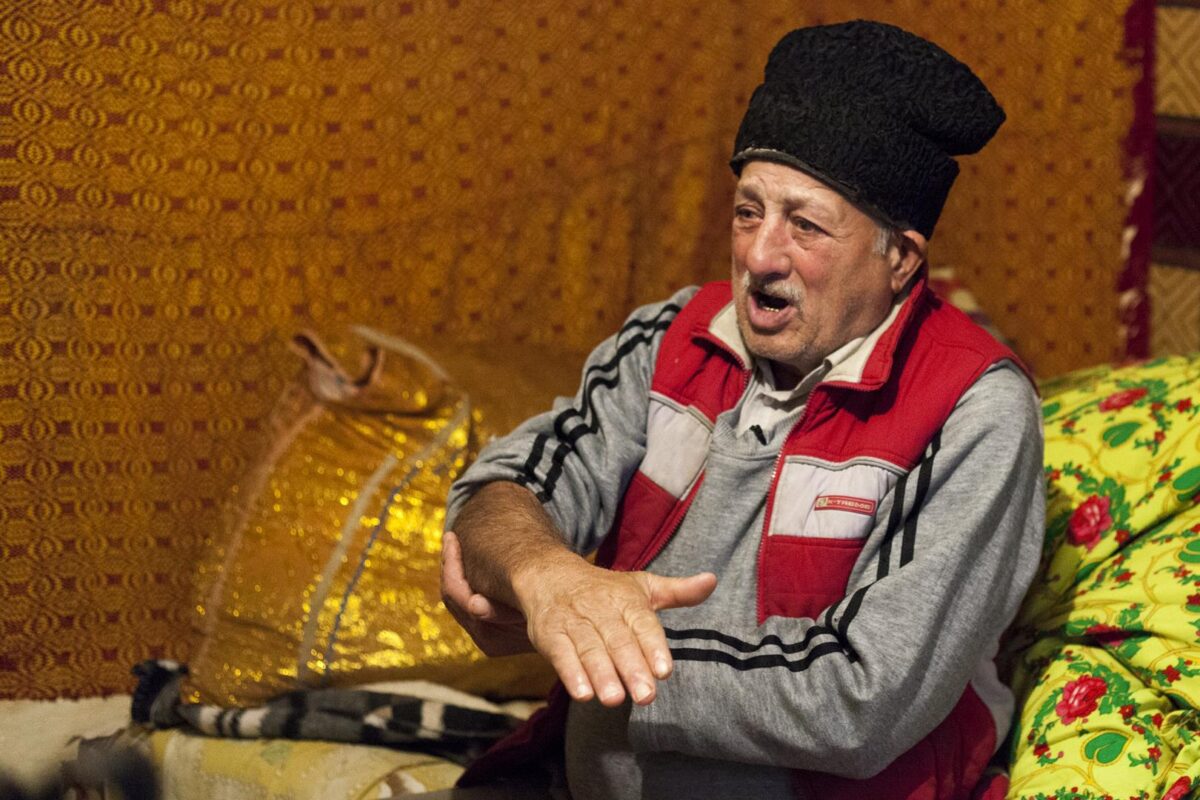
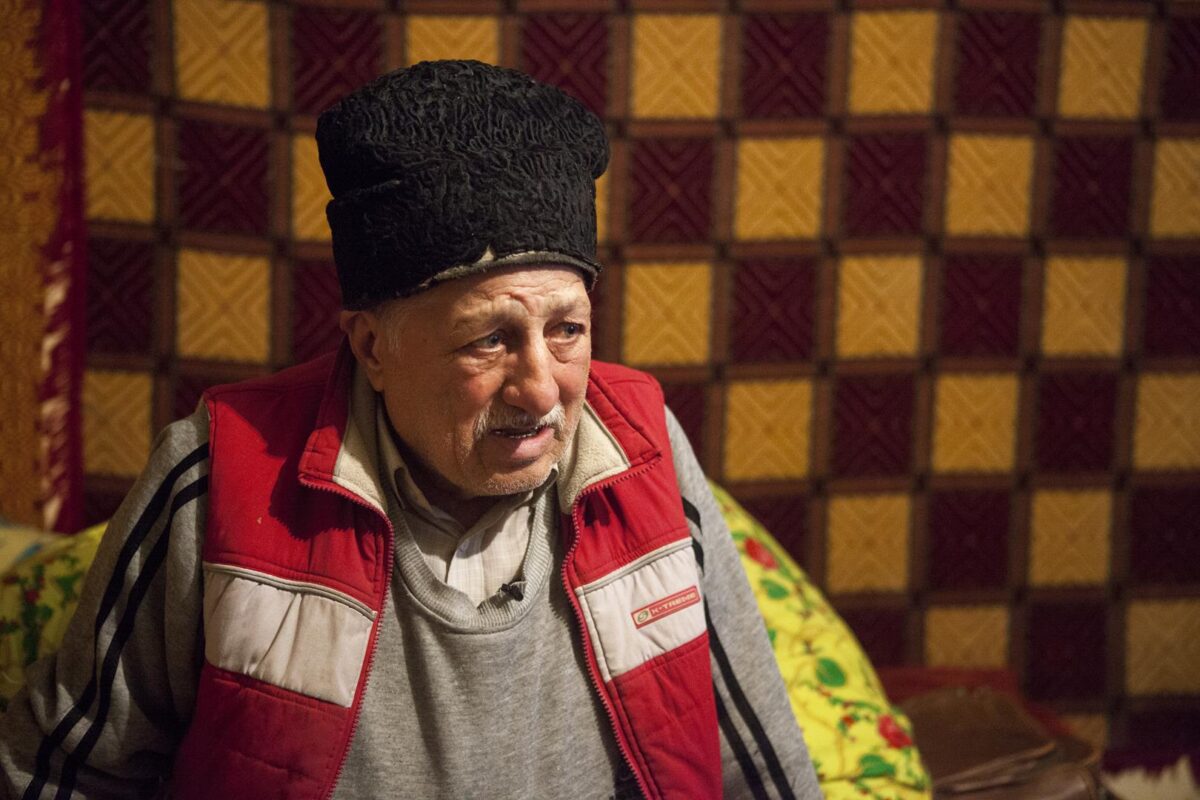
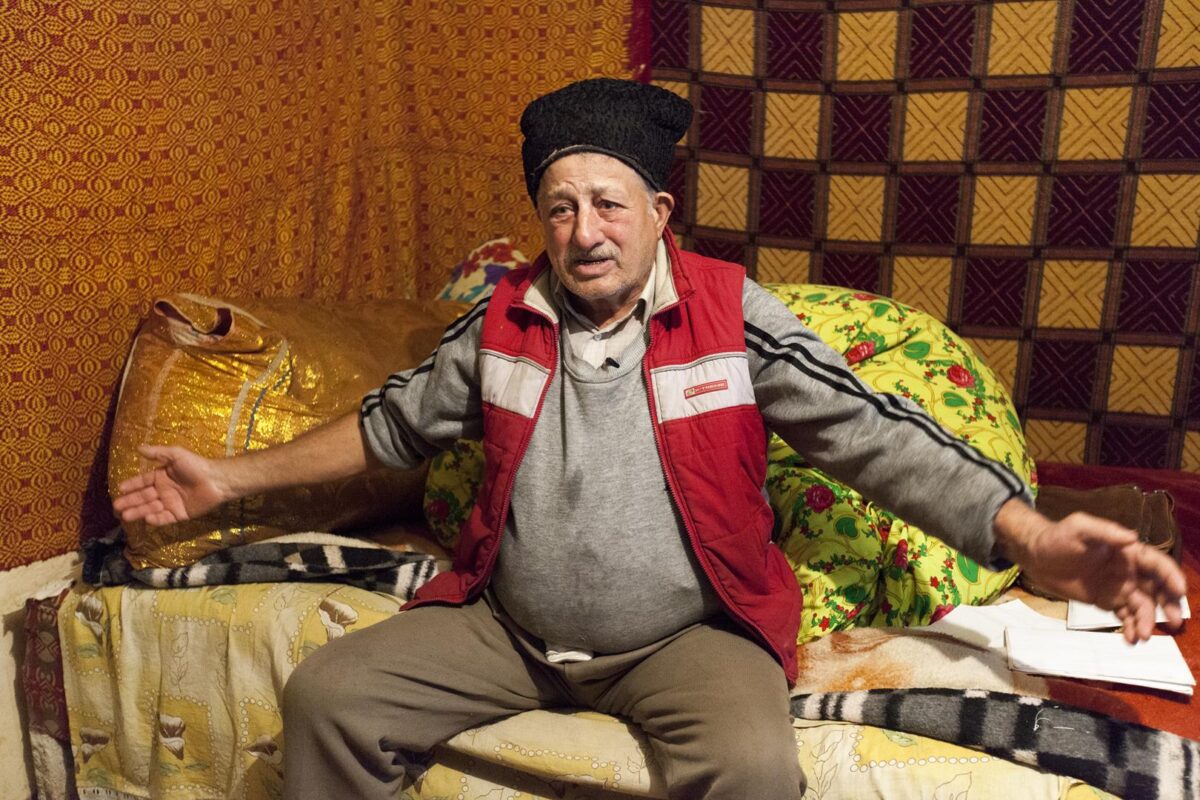
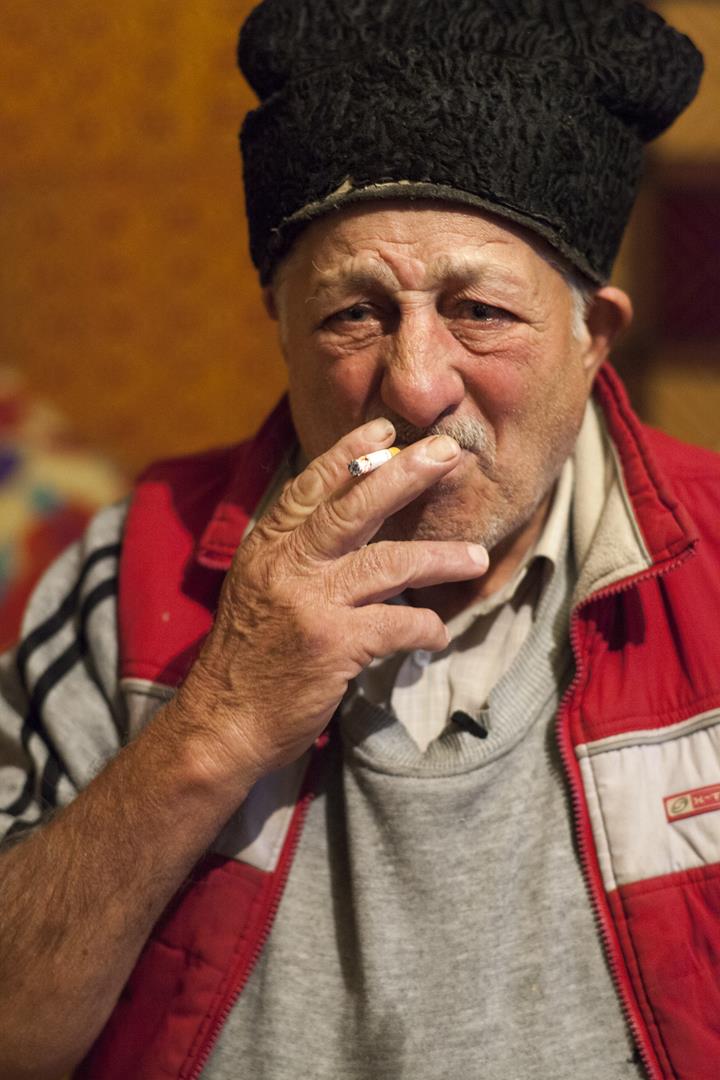
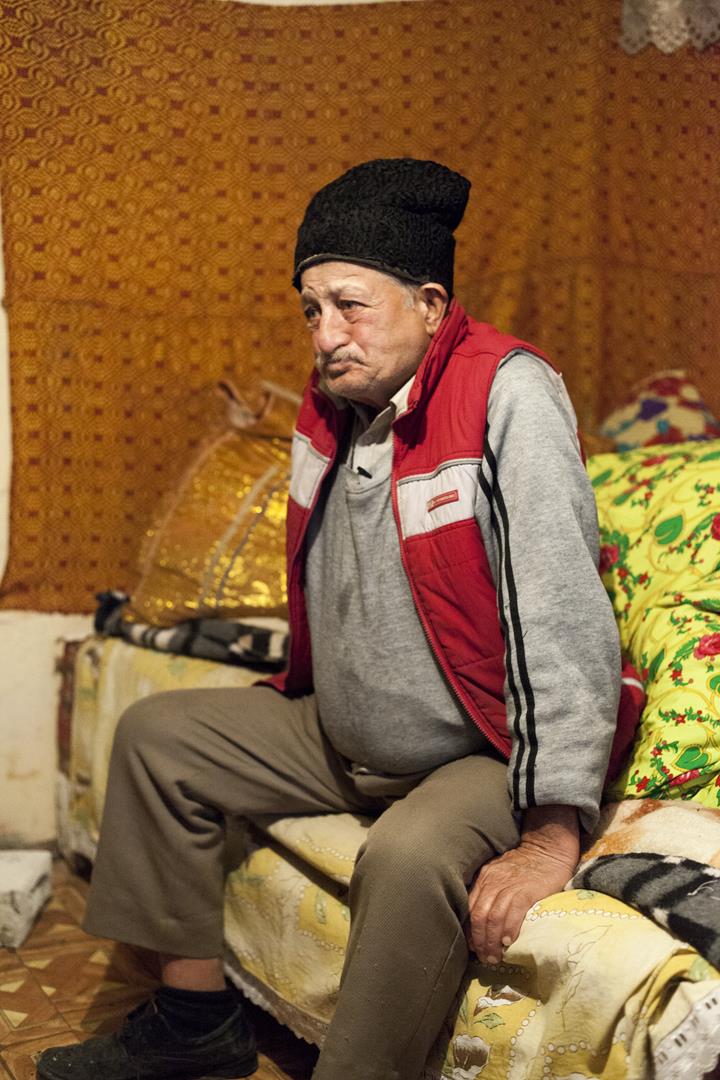
Name of the town: Liești (Galați County)
Region, country: Moldova region (Romania)
Date of deportation: June – August 1942
Excerpt from testimony:
“They remained 2 years and 2 months at Tridubi [in Golta County, Transnistria]. At first, the interviewee’s mother was able to go into the village and tell fortunes. When they arrived at the kolkhoz, they were met by policemen from the town hall, who showed the Roma which dugouts they were to occupy. A month later, all their belongings were confiscated. To feed themselves, [the deportees] were forced to work in the forest (cutting wood).
[…] Living conditions were appalling; the dugouts had no doors. The interviewee’s mother was forced to cook outside because of the smoke. Many perished, including the interviewee’s older sister, Natalița, aged 16, because she resisted and refused to go with the German [soldiers]. She was buried behind the bunker.”
Romanian archives (if they exist):
According to a report of the General Inspectorate of the Gendarmerie, the Brăila Gendarme Legion registered 101 nomads and 8 carts across the entire county in May 1942 (Romanian national archives (ANI), General Inspectorate of the Gendarmerie fonds (fond IGJ), file no. 260: f. 85). It is possible that the interviewee and his family were on this numerical list.
Historical note on the Roma:
Gheorghe Carol Stănescu was born in the commune of Surdila-Greci (Brăila County), located approximately 5 km from the town of Făurei. The commune was established around 1858, and at the beginning of the 20th century it had 1,264 inhabitants (MDGR 1902, V: 500). The 1930 census recorded 1,018 inhabitants in the commune, including 19 sedentary Roma (RGP 1930, II: 80-81). Alongside them, several families of nomadic Roma had also settled in the commune. The interviewee’s family led a nomadic life: the father made cauldrons and metal vessels, traveling from village to village in a cart drawn by mules to sell them. Once they arrived in a village, nomadic Roma were required to present themselves at the town hall and the gendarme post to register. The Stănescu family had a nomad’s booklet (carnet de nomazi) that was stamped by the local authorities whenever they camped in a village.
Historical note on the deportation:
The Stănescu family was evacuated as part of the first wave of deportations, in June–August 1942. The local gendarmes responsible for escorting the nomads to Transnistria led them to believe that they would be granted land once they arrived at their destination. This deception was meant to persuade the Roma to leave Romanian territory without resistance.
The route to Transnistria was long; the Stănescu family joined a convoy of deportees placed under gendarme escort. The convoy passed through the commune of Oancea (Galați County), where it crossed the Prut into Bessarabia. In Oancea, the interviewee met other Roma deportees (from Oltenița) and Jewish deportees (from Bârlad). After 11 days, the convoy arrived in Transnistria. The deportees had to buy their own food, with the permission of the escorting gendarmes.
Once in Transnistria, the Stănescu family was relocated to the locality of Tridubi (Golta County) and forced to shelter in a dugout near the local kolkhoz, under gendarme surveillance. All their belongings, including their cart, were confiscated by the local authorities a month after their arrival. Living conditions were appalling: the deportees lived in squalor (the entire family of 6 people lived in a single dugout with no door or windows), were forced to work in the forest cutting wood in exchange for meager food rations, and were subjected to all manner of abuse (confiscation of belongings, violence, and rape) by the Romanian gendarmes and the Ukrainian paramilitary troops who guarded them. Many deportees lost their lives to the cold, hunger, and typhus. Some were shot when they tried to go to the neighboring villages in search of food or, in the case of the interviewee’s sister, when they resisted sexual assault.
The repatriation to Romania probably took place in the spring of 1944, following the German and Romanian troops retreating in the face of the advancing Red Army. The journey home was long and full of dangers. The interviewee lost both parents, killed by German troops.
Brief note on a Roma subgroup:
The Stănescu family belonged to the group of nomadic căldărari Roma, who made and sold metal objects and utensils.
Categories
Features
Regions
Video
Location
Related Testimonies
Added By Catalin Biban

Please sign in to see contact details.
 Română
  English